

Trade
Basic
Futures
Futures
Hundreds of contracts settled in USDT or BTC
TradFi
Gold
Trade global traditional assets with USDT in one place
Options
Hot
Trade European-style vanilla options
Unified Account
Maximize your capital efficiency
Demo Trading
Futures Kickoff
Get prepared for your futures trading
Futures Events
Participate in events to win generous rewards
Demo Trading
Use virtual funds to experience risk-free trading
Earn
Launch
CandyDrop
Collect candies to earn airdrops
Launchpool
Quick staking, earn potential new tokens
HODLer Airdrop
Hold GT and get massive airdrops for free
Launchpad
Be early to the next big token project
Alpha Points
Trade on-chain assets and enjoy airdrop rewards!
Futures Points
Earn futures points and claim airdrop rewards
Investment
Simple Earn
Earn interests with idle tokens
Auto-Invest
Auto-invest on a regular basis
Dual Investment
Buy low and sell high to take profits from price fluctuations
Soft Staking
Earn rewards with flexible staking
Crypto Loan
0 Fees
Pledge one crypto to borrow another
Lending Center
One-stop lending hub
VIP Wealth Hub
Customized wealth management empowers your assets growth
Private Wealth Management
Customized asset management to grow your digital assets
Quant Fund
Top asset management team helps you profit without hassle
Staking
Stake cryptos to earn in PoS products
Smart Leverage
New
No forced liquidation before maturity, worry-free leveraged gains
GUSD Minting
Use USDT/USDC to mint GUSD for treasury-level yields

More


Trending Topics
View More79.56K Popularity
6.4K Popularity
1.92K Popularity
2.95K Popularity
7.42K Popularity



Pin
Gate Square | 2/5 Today's Hot Topic: #BuyTheDipOrWaitNow?
🎁 [Community Perk] Post with the topic or #BTC, 10 lucky users * $100 position Voucher.
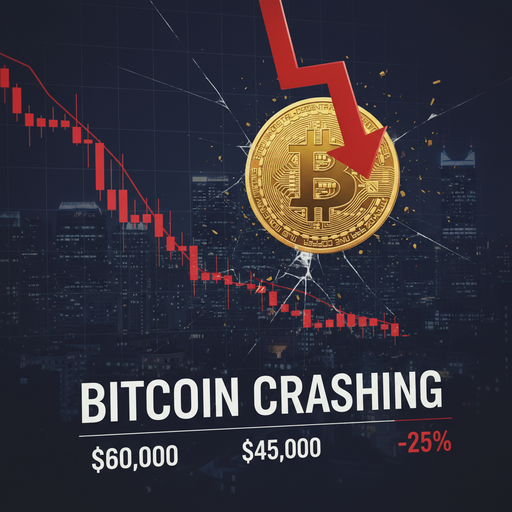
Market volatility continues as BTC breaks below the $74,000 key support level, with altcoins pulling back in sync. Are you buying the dip in batches or waiting for a better entry point?
💬 Today’s Discussion:
1️⃣ Bottom Signals: Where do you see BTC’s bottom — $70,000 or lower?
2️⃣ Market Drivers: Which recent macroeconomic news or rumors are influencing the market?
3️⃣ Dark Horses: Are there any resilient or outperforming tokens worth watching?
ShTap to Trade in Gate Square, Win up to 50 GT & Merch!
Click the trading widget in Gate Square content, complete a transaction, and take home 50 GT, Position Experience Vouchers, or exclusive Spring Festival merchandise.
Click the registration link to join
https://www.gate.com/questionnaire/7401
Enter Gate Square daily and click any trading pair or trading card within the content to complete a transaction. The top 10 users by trading volume will win GT, Gate merchandise boxes, position experience vouchers, and more.
The top prize: 50 GT.
 pair represents $6.1 billion. This concentration shows that A7A5 mainly functions as an intermediary: converting rubles into USDT allows Russian users to access international cryptocurrency markets without going through traditional banking channels, which are subject to Western controls.
Sanctions slowing down Russian crypto activity
However, the momentum of the Russian stablecoin has been broken under the weight of coercive measures. Since mid-2025, US, UK, and European sanctions targeting cryptographic infrastructure have produced their first measurable effects. The EU has frozen about $250 billion in Russian assets, while the UK has immobilized nearly $35 billion.
The impact on A7A5 is undeniable. New issuances have stopped abruptly after July 2025: no new tokens have been created since that date. Currently, there are 42.5 billion A7A5 in circulation, valuing the entire at only $547 million. But the most revealing indicator remains the daily transaction volume, which has collapsed: trading has fallen from over $1.5 billion per day in 2025 to about $500 million currently, a 67% decrease in just a few months.
Tether, the issuer of USDT, openly collaborates with authorities. The stablecoin giant freezes USDT accounts upon official legal request. Elliptic confirms this dynamic: in March 2025, the analytics firm worked alongside Tether and the US Secret Service to block USDT assets held by Garantex, the sanctioned Russian exchange platform. This cooperation shows that centralized stablecoins offer little resistance to government measures.
An uncertain future for the stablecoin pegged to the ruble
Although A7A5 persists as a tool for Russian cross-border trade, its isolation is increasing. Unlike centralized stablecoins like USDT, where a third party can freeze accounts, A7A5 operates in a decentralized manner: only its issuer has the ability to blacklist addresses. This architecture theoretically offers more resistance, but remains insufficient in the face of geopolitical pressure.
Russian crypto continues to represent a significant market with around 20 million users and $376 billion in cryptocurrencies received over twelve months. Nevertheless, A7A5 is gradually diverging from the rest of the global crypto ecosystem, which is fragmented and increasingly regulated. The future of this stablecoin will depend on the ability of Russian developers to innovate in the face of growing restrictions, and on the political will of Western authorities to maintain or relax controls.