

Trade
Basic
Futures
Futures
Hundreds of contracts settled in USDT or BTC
TradFi
Gold
Trade global traditional assets with USDT in one place
Options
Hot
Trade European-style vanilla options
Unified Account
Maximize your capital efficiency
Demo Trading
Futures Kickoff
Get prepared for your futures trading
Futures Events
Participate in events to win generous rewards
Demo Trading
Use virtual funds to experience risk-free trading
Earn
Launch
CandyDrop
Collect candies to earn airdrops
Launchpool
Quick staking, earn potential new tokens
HODLer Airdrop
Hold GT and get massive airdrops for free
Launchpad
Be early to the next big token project
Alpha Points
Trade on-chain assets and enjoy airdrop rewards!
Futures Points
Earn futures points and claim airdrop rewards
Investment
Simple Earn
Earn interests with idle tokens
Auto-Invest
Auto-invest on a regular basis
Dual Investment
Buy low and sell high to take profits from price fluctuations
Soft Staking
Earn rewards with flexible staking
Crypto Loan
0 Fees
Pledge one crypto to borrow another
Lending Center
One-stop lending hub
VIP Wealth Hub
Customized wealth management empowers your assets growth
Private Wealth Management
Customized asset management to grow your digital assets
Quant Fund
Top asset management team helps you profit without hassle
Staking
Stake cryptos to earn in PoS products
Smart Leverage
New
No forced liquidation before maturity, worry-free leveraged gains
GUSD Minting
Use USDT/USDC to mint GUSD for treasury-level yields

More


Trending Topics
View More79.61K Popularity
6.42K Popularity
1.94K Popularity
2.95K Popularity
7.42K Popularity



Pin
Gate Square | 2/5 Today's Hot Topic: #BuyTheDipOrWaitNow?
🎁 [Community Perk] Post with the topic or #BTC, 10 lucky users * $100 position Voucher.
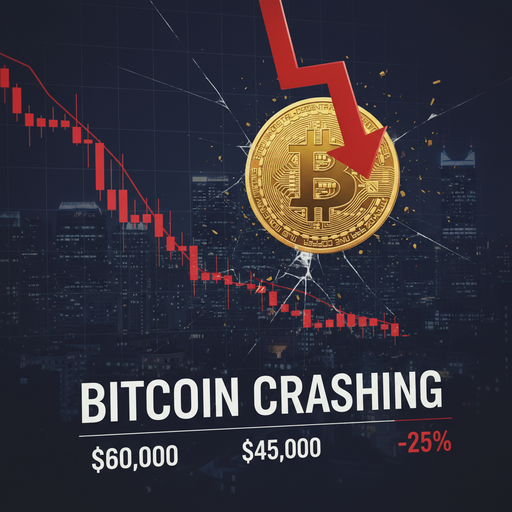
Market volatility continues as BTC breaks below the $74,000 key support level, with altcoins pulling back in sync. Are you buying the dip in batches or waiting for a better entry point?
💬 Today’s Discussion:
1️⃣ Bottom Signals: Where do you see BTC’s bottom — $70,000 or lower?
2️⃣ Market Drivers: Which recent macroeconomic news or rumors are influencing the market?
3️⃣ Dark Horses: Are there any resilient or outperforming tokens worth watching?
ShTap to Trade in Gate Square, Win up to 50 GT & Merch!
Click the trading widget in Gate Square content, complete a transaction, and take home 50 GT, Position Experience Vouchers, or exclusive Spring Festival merchandise.
Click the registration link to join
https://www.gate.com/questionnaire/7401
Enter Gate Square daily and click any trading pair or trading card within the content to complete a transaction. The top 10 users by trading volume will win GT, Gate merchandise boxes, position experience vouchers, and more.
The top prize: 50 GT.
 exemplify this trend perfectly. These assets allow investors to acquire tokenized slices of income-generating instruments, combining blockchain innovation with the security of traditional investments.
In just 2025, the volume of RFD grew exponentially. Mercado Bitcoin distributed 1.8 billion reais—approximately US$ 325 million—to its users through these products. On average, they delivered returns 32% above Brazil’s risk-free benchmark rate, the Interbank Deposit Certificate (CDI), making them particularly attractive to risk-averse investors.
Other real asset platforms have also identified this demand. Protocols like Liqi and AmFi offer similar products, indicating that this is not an isolated phenomenon to Mercado Bitcoin but a consolidated trend in the Brazilian digital asset market.
Divergent Strategies: How Income Shapes Investment Choices
Investment behavior varies significantly according to purchasing power. Middle-income users tend to allocate up to 12% of their portfolios in stablecoins, maintaining 86% in less volatile assets—presumably in RFD. This composition reflects deliberate caution: protecting capital while seeking moderate returns.
The scenario reverses for lower-income investors. Over 90% of their funds flow into traditional cryptocurrencies like Bitcoin, revealing a greater willingness to accept volatility in exchange for higher potential gains. This difference is not merely statistical—it illustrates how access to capital modulates risk tolerance across the Brazilian income pyramid.
Brazil’s Generation Z demonstrates remarkable sophistication in this differentiation. It is not about ignorance of alternative investments but strategic choice based on personal economic circumstances. Fabrício Tota, Vice President of Cryptocurrency Business at Mercado Bitcoin, summarizes well: “Important events, such as the Central Bank’s crypto regulation and the rise of stablecoins, further fueled Brazilian interest in digital assets.”
The Market in Transformation
Additional evidence confirms the paradigm shift in Brazil. Mercado Bitcoin reported a 43% year-over-year increase in total cryptocurrency transaction volume. Interestingly, Mondays emerge as the busiest day for both new investors and frequent operations—a pattern suggesting a deeper transformation. Cryptocurrencies are no longer vehicles for nocturnal speculation but are integrated into people’s structured weekly financial routines.
This change coincides with significant regulatory movements. The Central Bank of Brazil introduced new rules for the sector last month, requiring cryptocurrency service providers to obtain specific licenses and meet clearly defined capital requirements. Far from deterring Brazilian Generation Z, regulation has reinforced confidence, legitimizing the space for cautious investors.
Brazil’s cryptocurrency story is being written not by traditional speculators but by a generation of young, pragmatic investors. They seek tools that work within their economic realities—whether stablecoins that preserve value or RFD that generate returns above inflation. Ultimately, this Brazilian Generation Z is teaching an important lesson: mature cryptocurrency markets are not defined by maximum volatility but by real utility and capital security.