

Trade
Basic
Futures
Futures
Hundreds of contracts settled in USDT or BTC
TradFi
Gold
Trade global traditional assets with USDT in one place
Options
Hot
Trade European-style vanilla options
Unified Account
Maximize your capital efficiency
Demo Trading
Futures Kickoff
Get prepared for your futures trading
Futures Events
Participate in events to win generous rewards
Demo Trading
Use virtual funds to experience risk-free trading
Earn
Launch
CandyDrop
Collect candies to earn airdrops
Launchpool
Quick staking, earn potential new tokens
HODLer Airdrop
Hold GT and get massive airdrops for free
Launchpad
Be early to the next big token project
Alpha Points
Trade on-chain assets and enjoy airdrop rewards!
Futures Points
Earn futures points and claim airdrop rewards
Investment
Simple Earn
Earn interests with idle tokens
Auto-Invest
Auto-invest on a regular basis
Dual Investment
Buy low and sell high to take profits from price fluctuations
Soft Staking
Earn rewards with flexible staking
Crypto Loan
0 Fees
Pledge one crypto to borrow another
Lending Center
One-stop lending hub
VIP Wealth Hub
Customized wealth management empowers your assets growth
Private Wealth Management
Customized asset management to grow your digital assets
Quant Fund
Top asset management team helps you profit without hassle
Staking
Stake cryptos to earn in PoS products
Smart Leverage
New
No forced liquidation before maturity, worry-free leveraged gains
GUSD Minting
Use USDT/USDC to mint GUSD for treasury-level yields

More


Trending Topics
View More79.59K Popularity
6.42K Popularity
1.94K Popularity
2.95K Popularity
7.42K Popularity




Pin
Gate Square | 2/5 Today's Hot Topic: #BuyTheDipOrWaitNow?
🎁 [Community Perk] Post with the topic or #BTC, 10 lucky users * $100 position Voucher.
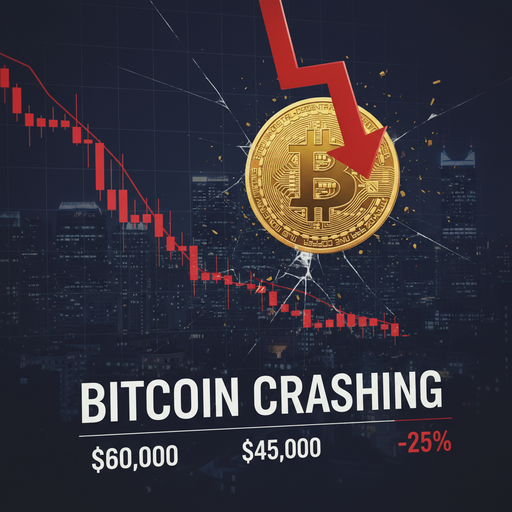
Market volatility continues as BTC breaks below the $74,000 key support level, with altcoins pulling back in sync. Are you buying the dip in batches or waiting for a better entry point?
💬 Today’s Discussion:
1️⃣ Bottom Signals: Where do you see BTC’s bottom — $70,000 or lower?
2️⃣ Market Drivers: Which recent macroeconomic news or rumors are influencing the market?
3️⃣ Dark Horses: Are there any resilient or outperforming tokens worth watching?
ShTap to Trade in Gate Square, Win up to 50 GT & Merch!
Click the trading widget in Gate Square content, complete a transaction, and take home 50 GT, Position Experience Vouchers, or exclusive Spring Festival merchandise.
Click the registration link to join
https://www.gate.com/questionnaire/7401
Enter Gate Square daily and click any trading pair or trading card within the content to complete a transaction. The top 10 users by trading volume will win GT, Gate merchandise boxes, position experience vouchers, and more.
The top prize: 50 GT.
 to exploit these weaknesses in the protocol.
“The attacker borrowed a huge amount of assets,” explained Matthew Jiang, director of security services at Blocksec. “He practically borrowed all available assets on the chain that can be used in flash loans.” This combination allowed the criminal to divert around $20 million from the platform.
Flash loans are operations that allow borrowing assets without collateral, provided they are repaid within the same blockchain transaction. While these mechanisms are useful for legitimate arbitrage operations, they have also been exploited by malicious actors to drain liquidity from vulnerable DeFi protocols.
Compensation proposal and the reality of DeFi attacks
In response to the incident, Michael Patryn proposed an unconventional incentive: if the attackers returned approximately $16 million in cryptocurrencies, the protocol would commit not to pursue legal action or cooperate with law enforcement authorities. Patryn offered a reward of 20% of the recovered funds as an additional incentive.
“We are offering a white-hat compensation of 20% of any recovered funds,” Patryn stated via a message on Ethereum. “They will face no legal risks if they agree to this deal, and there will be no involvement from authorities.”
This tactic is relatively common in the crypto ecosystem, where the costs and complexity of recovering stolen tokens pose a significant challenge. However, attackers often reject these offers, although there are notable cases of acceptance.
The growing trend of attacks via flash loans
UwU Lend is not an isolated case. Euler Finance, a lending protocol on Ethereum, experienced a similar attack that initially resulted in losses of $197 million, though the attacker later returned 85% of the stolen funds. Other recent examples include the hack of Sonne Finance for $20 million several months ago, and the attack on the Hedgey protocol for $44 million in the first half of the year.
According to data compiled by DefiLlama, during the first five months of the last fiscal year, attackers extracted approximately $560 million from DeFi protocols, representing a 32% increase compared to the same period the previous year. This trend underscores the ongoing vulnerability of decentralized platforms to sophisticated security exploits.
The case of Michael Patryn and UwU Lend reflects how, even with questionable backgrounds in the industry, crypto entrepreneurs continue launching new projects. The security of these protocols remains a critical challenge that requires greater attention from both developers and regulators.