

Trade
Basic
Futures
Futures
Hundreds of contracts settled in USDT or BTC
TradFi
Gold
Trade global traditional assets with USDT in one place
Options
Hot
Trade European-style vanilla options
Unified Account
Maximize your capital efficiency
Demo Trading
Futures Kickoff
Get prepared for your futures trading
Futures Events
Participate in events to win generous rewards
Demo Trading
Use virtual funds to experience risk-free trading
Earn
Launch
CandyDrop
Collect candies to earn airdrops
Launchpool
Quick staking, earn potential new tokens
HODLer Airdrop
Hold GT and get massive airdrops for free
Launchpad
Be early to the next big token project
Alpha Points
Trade on-chain assets and enjoy airdrop rewards!
Futures Points
Earn futures points and claim airdrop rewards
Investment
Simple Earn
Earn interests with idle tokens
Auto-Invest
Auto-invest on a regular basis
Dual Investment
Buy low and sell high to take profits from price fluctuations
Soft Staking
Earn rewards with flexible staking
Crypto Loan
0 Fees
Pledge one crypto to borrow another
Lending Center
One-stop lending hub
VIP Wealth Hub
Customized wealth management empowers your assets growth
Private Wealth Management
Customized asset management to grow your digital assets
Quant Fund
Top asset management team helps you profit without hassle
Staking
Stake cryptos to earn in PoS products
Smart Leverage
New
No forced liquidation before maturity, worry-free leveraged gains
GUSD Minting
Use USDT/USDC to mint GUSD for treasury-level yields

More


Trending Topics
View More74.67K Popularity
3.83K Popularity
1.52K Popularity
1.92K Popularity
5.89K Popularity



Pin
Gate Square | 2/5 Today's Hot Topic: #BuyTheDipOrWaitNow?
🎁 [Community Perk] Post with the topic or #BTC, 10 lucky users * $100 position Voucher.
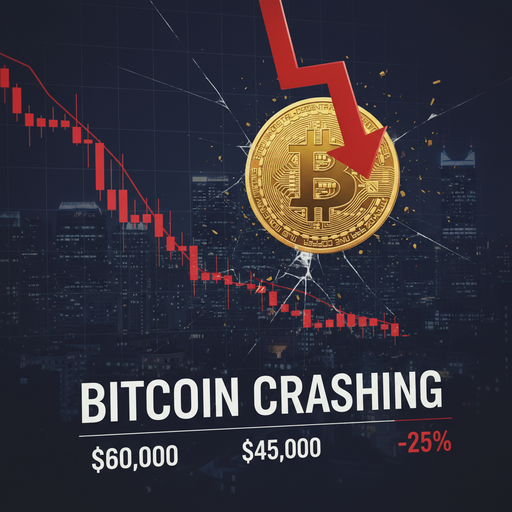
Market volatility continues as BTC breaks below the $74,000 key support level, with altcoins pulling back in sync. Are you buying the dip in batches or waiting for a better entry point?
💬 Today’s Discussion:
1️⃣ Bottom Signals: Where do you see BTC’s bottom — $70,000 or lower?
2️⃣ Market Drivers: Which recent macroeconomic news or rumors are influencing the market?
3️⃣ Dark Horses: Are there any resilient or outperforming tokens worth watching?
ShTap to Trade in Gate Square, Win up to 50 GT & Merch!
Click the trading widget in Gate Square content, complete a transaction, and take home 50 GT, Position Experience Vouchers, or exclusive Spring Festival merchandise.
Click the registration link to join
https://www.gate.com/questionnaire/7401
Enter Gate Square daily and click any trading pair or trading card within the content to complete a transaction. The top 10 users by trading volume will win GT, Gate merchandise boxes, position experience vouchers, and more.
The top prize: 50 GT.
 in late January, earmarked for the Ethereum Foundation and other strategic ecosystem projects as Vitalik signaled the network was entering a period of “mild austerity”—a deliberate reallocation of resources to prioritize long-term infrastructure and community growth.
Beyond philanthropy, these moves coincided with a major philosophical pivot in Ethereum’s technical direction. On February 3, 2026, Vitalik published a statement on X (formerly Twitter) that challenged the five-year narrative around Layer-2 scaling. He argued that the original vision of Layer 2 as “branded sharding” designed to reduce costs had become obsolete. Upgrades such as Glamsterdam, which introduced parallel transaction processing, had dramatically increased the efficiency and lowered the fees of the Ethereum mainnet to approximately $0.40 per transaction, eroding the original cost justification for L2 adoption. Vitalik also criticized Layer-2 solutions that relied heavily on multisig bridges, arguing that they introduced centralization risks and compromised the decentralization ethos that underpins Ethereum. According to him, L2s should now prioritize privacy, ultra-fast confirmations, or specialized application niches, rather than merely serving as “cheaper clones” of the mainnet.
The market reaction was swift and measurable. Ethereum’s price declined roughly 10%, dipping toward the $2,100 range, reflecting a combination of profit-taking and uncertainty around the Layer-2 narrative. Analysts like Tom Lee characterized the move as a “lack-of-leverage flush-out”, suggesting that the market was reacting to a combination of psychological pressure and technical repositioning rather than any fundamental flaw in Ethereum itself. While Vitalik’s sales were modest relative to daily trading volume, his critique of the Layer-2 ecosystem has introduced a legitimacy challenge for some of the most popular L2 tokens, which had dominated the scaling discourse for half a decade. Investors and developers are now being forced to reassess which projects genuinely add value to Ethereum’s base layer versus those that merely attempt to arbitrage cost inefficiencies.
Strategically, Vitalik’s actions highlight two key themes for the Ethereum ecosystem. First, resource allocation and philanthropy remain central to his vision, reinforcing the Ethereum Foundation’s long-term sustainability while supporting open-source and public-good initiatives. Second, the technical pivot for Layer-2 forces a reevaluation of scaling priorities: Ethereum’s L1 has matured to the point where cost reduction is no longer the primary concern, shifting attention toward privacy, specialization, and systemic composability. This recalibration is likely to influence investment strategies, developer activity, and institutional adoption in the months ahead, creating opportunities for protocols that align with the new vision while pressuring those that rely on the old narrative.
In summary, Vitalik’s February 2026 activity represents a rare combination of strategic philanthropy and technical thought leadership, reminding the market that Ethereum’s evolution is guided not just by speculation but by deliberate ecosystem governance and vision. Investors should view the current price dip as both a market reset and a signal to reassess Layer-2 positioning, while monitoring how developers and institutional participants respond to this reorientation.
#MoonGirl