

Trade
Basic
Futures
Futures
Hundreds of contracts settled in USDT or BTC
TradFi
Gold
Trade global traditional assets with USDT in one place
Options
Hot
Trade European-style vanilla options
Unified Account
Maximize your capital efficiency
Demo Trading
Futures Kickoff
Get prepared for your futures trading
Futures Events
Participate in events to win generous rewards
Demo Trading
Use virtual funds to experience risk-free trading
Earn
Launch
CandyDrop
Collect candies to earn airdrops
Launchpool
Quick staking, earn potential new tokens
HODLer Airdrop
Hold GT and get massive airdrops for free
Launchpad
Be early to the next big token project
Alpha Points
Trade on-chain assets and enjoy airdrop rewards!
Futures Points
Earn futures points and claim airdrop rewards
Investment
Simple Earn
Earn interests with idle tokens
Auto-Invest
Auto-invest on a regular basis
Dual Investment
Buy low and sell high to take profits from price fluctuations
Soft Staking
Earn rewards with flexible staking
Crypto Loan
0 Fees
Pledge one crypto to borrow another
Lending Center
One-stop lending hub
VIP Wealth Hub
Customized wealth management empowers your assets growth
Private Wealth Management
Customized asset management to grow your digital assets
Quant Fund
Top asset management team helps you profit without hassle
Staking
Stake cryptos to earn in PoS products
Smart Leverage
New
No forced liquidation before maturity, worry-free leveraged gains
GUSD Minting
Use USDT/USDC to mint GUSD for treasury-level yields

More


Trending Topics
View More74.75K Popularity
3.91K Popularity
1.54K Popularity
1.92K Popularity
5.89K Popularity



Pin
Gate Square | 2/5 Today's Hot Topic: #BuyTheDipOrWaitNow?
🎁 [Community Perk] Post with the topic or #BTC, 10 lucky users * $100 position Voucher.
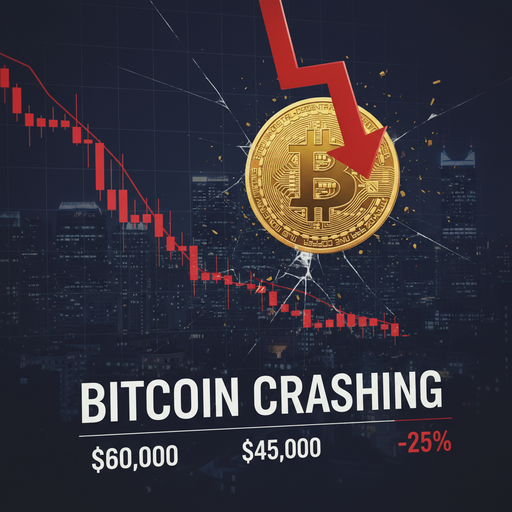
Market volatility continues as BTC breaks below the $74,000 key support level, with altcoins pulling back in sync. Are you buying the dip in batches or waiting for a better entry point?
💬 Today’s Discussion:
1️⃣ Bottom Signals: Where do you see BTC’s bottom — $70,000 or lower?
2️⃣ Market Drivers: Which recent macroeconomic news or rumors are influencing the market?
3️⃣ Dark Horses: Are there any resilient or outperforming tokens worth watching?
ShTap to Trade in Gate Square, Win up to 50 GT & Merch!
Click the trading widget in Gate Square content, complete a transaction, and take home 50 GT, Position Experience Vouchers, or exclusive Spring Festival merchandise.
Click the registration link to join
https://www.gate.com/questionnaire/7401
Enter Gate Square daily and click any trading pair or trading card within the content to complete a transaction. The top 10 users by trading volume will win GT, Gate merchandise boxes, position experience vouchers, and more.
The top prize: 50 GT.
 due to U.S. tariff policies. This amount is not just a financial figure but had such an impact that it fundamentally shook the strategic management decisions themselves.
Despite high-level discussions at Washington and the World Economic Forum in Davos, the company has yet to justify massive capital investments or secure a stable business environment through tariff relaxations. Under such uncertain circumstances, the strategy of building a new platform-based factory within the U.S. has become an unprofitable concept.
Strategic Realignment: Withdrawal of 10% Market Share Goal
Recall the situation in 2023. At that time, Audi was actively considering establishing a manufacturing base in the U.S. to utilize federal subsidies. Attractive incentive programs initially served as a strong motivation to push the project forward.
However, the situation rapidly deteriorated following a shift toward heavy taxation of European automakers. In response to this dramatic change in the business environment, Volkswagen was finally forced to withdraw its long-standing goal of capturing a 10% market share in the U.S. market. Bloom described this target as “outdated,” and the company has decided to shift toward a more conservative, phased growth strategy.
Rebuilding the Global Platform Strategy
As part of this strategic retreat, Volkswagen has decided to cut 20 billion euros from its five-year global investment plan. In other words, investments in core platform development and production infrastructure for automobiles have been significantly scaled back.
Dependency on Mexico and Ripple Effects on Tire and Parts Industries
Currently, Audi is the only major German luxury brand without an assembly plant in the U.S. Its North American supply chain heavily depends on facilities in Mexico, where critical components such as tires and engine parts are produced and sourced.
However, in reality, significant import tariffs are currently imposed on transportation routes from Mexico to the U.S. This means that the entire automotive parts industry, including tires, is facing cost pressures due to these tariffs. This layered tax structure presents new management challenges not only for Audi but for the entire global supply chain.
Audi’s strategic shift is not merely a decision by a single company but a symbol of the structural crisis facing the global platform-based automotive industry.