

Trade
Basic
Futures
Futures
Hundreds of contracts settled in USDT or BTC
TradFi
Gold
Trade global traditional assets with USDT in one place
Options
Hot
Trade European-style vanilla options
Unified Account
Maximize your capital efficiency
Demo Trading
Futures Kickoff
Get prepared for your futures trading
Futures Events
Participate in events to win generous rewards
Demo Trading
Use virtual funds to experience risk-free trading
Earn
Launch
CandyDrop
Collect candies to earn airdrops
Launchpool
Quick staking, earn potential new tokens
HODLer Airdrop
Hold GT and get massive airdrops for free
Launchpad
Be early to the next big token project
Alpha Points
Trade on-chain assets and enjoy airdrop rewards!
Futures Points
Earn futures points and claim airdrop rewards
Investment
Simple Earn
Earn interests with idle tokens
Auto-Invest
Auto-invest on a regular basis
Dual Investment
Buy low and sell high to take profits from price fluctuations
Soft Staking
Earn rewards with flexible staking
Crypto Loan
0 Fees
Pledge one crypto to borrow another
Lending Center
One-stop lending hub
VIP Wealth Hub
Customized wealth management empowers your assets growth
Private Wealth Management
Customized asset management to grow your digital assets
Quant Fund
Top asset management team helps you profit without hassle
Staking
Stake cryptos to earn in PoS products
Smart Leverage
New
No forced liquidation before maturity, worry-free leveraged gains
GUSD Minting
Use USDT/USDC to mint GUSD for treasury-level yields

More


XRP Price Crashes 24%, Sparking Debate: Was It Meant to Replace Bitcoin?
7h ago
Dogecoin Price Prediction 2026: DOGE Holds Critical Support As Musk Hype Fades
7h ago
Trending Topics
View More80.05K Popularity
6.56K Popularity
1.96K Popularity
2.93K Popularity
7.5K Popularity



Pin
Gate Square | 2/5 Today's Hot Topic: #BuyTheDipOrWaitNow?
🎁 [Community Perk] Post with the topic or #BTC, 10 lucky users * $100 position Voucher.
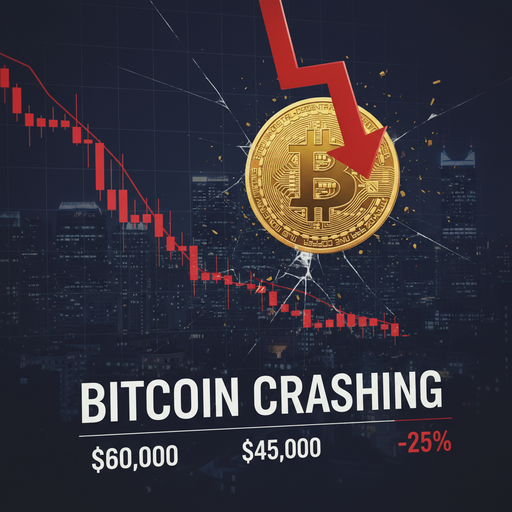
Market volatility continues as BTC breaks below the $74,000 key support level, with altcoins pulling back in sync. Are you buying the dip in batches or waiting for a better entry point?
💬 Today’s Discussion:
1️⃣ Bottom Signals: Where do you see BTC’s bottom — $70,000 or lower?
2️⃣ Market Drivers: Which recent macroeconomic news or rumors are influencing the market?
3️⃣ Dark Horses: Are there any resilient or outperforming tokens worth watching?
ShTap to Trade in Gate Square, Win up to 50 GT & Merch!
Click the trading widget in Gate Square content, complete a transaction, and take home 50 GT, Position Experience Vouchers, or exclusive Spring Festival merchandise.
Click the registration link to join
https://www.gate.com/questionnaire/7401
Enter Gate Square daily and click any trading pair or trading card within the content to complete a transaction. The top 10 users by trading volume will win GT, Gate merchandise boxes, position experience vouchers, and more.
The top prize: 50 GT.
. This isn’t a speculative token; it’s a regulated, Ethereum-based stablecoin pegged 1:1 to the U.S. dollar, now available for Fidelity’s retail and institutional clients to buy, sell, and hold directly on its platform.
This move is monumental because it bridges the vast, trusted world of traditional finance with the growing ecosystem of digital assets, all under the familiar umbrella of a household financial name. For the $316 billion stablecoin market, FIDD’s arrival signals a new phase of intense, institutional competition. For everyday investors, it’s a clear sign that digital dollars are becoming a normal, accessible part of the financial toolkit, poised to change how we think about cash, payments, and the future of tokenized investments.
FIDD Explained: What Fidelity’s New Digital Dollar Actually Is
At its core, Fidelity Digital Dollar (FIDD) is a promise. It’s a digital token that lives on the Ethereum blockchain, and for every one FIDD in circulation, Fidelity holds one U.S. dollar’s worth of reserves in cash and short-term government securities. You can think of it as a digital IOU from Fidelity, fully backed by safe, real-world assets, that can be sent anywhere in the world almost instantly. Unlike the volatile Bitcoin or Ethereum in your portfolio, FIDD is designed to maintain a steady value, making it suitable for payments, settlements, or simply holding as digital cash.
The key to understanding FIDD is its accessibility. Fidelity customers can now directly convert their cash holdings within their Fidelity Crypto or Digital Assets accounts into FIDD at a 1:1 rate. This process, known as minting or purchasing, is seamless within the Fidelity ecosystem. Once you own FIDD, you’re not locked in. You can redeem it back for dollars just as easily, trade it on external cryptocurrency exchanges where it’s listed, or send it to any public Ethereum wallet address to use in decentralized finance (DeFi) applications or for peer-to-peer transfers. This blend of ease-of-use within a trusted platform and freedom to use the token on the open internet is FIDD’s strategic strength.
Why Fidelity Entered the Stablecoin Race Now
The timing of FIDD’s launch is no accident. For years, Fidelity has been a cautious builder in the crypto space, starting with Bitcoin custody for institutions in 2018 and gradually expanding to retail trading. The final piece that unlocked the stablecoin strategy was regulatory clarity. The passage of the GENIUS Act in 2025 created the first comprehensive federal framework for payment stablecoins in the U.S., outlining rules for reserves, redemption, and issuer oversight. This law gave established financial institutions like Fidelity the confidence and legal roadmap they needed to proceed.
Fidelity is entering now because the market is ripe and the strategic opportunity is clear. The stablecoin sector has ballooned into a $316 billion market, proving there is massive demand for digital dollars. However, much of this growth has been led by crypto-native companies. Fidelity sees an opening to capture a different segment: its own massive client base of investors and advisors who trust the Fidelity brand but may be wary of unfamiliar crypto exchanges. By offering FIDD, Fidelity provides a safe, familiar on-ramp into digital dollar technology. Furthermore, launching its own stablecoin allows Fidelity to control a critical piece of infrastructure for its future plans in tokenized assets, ensuring it’s not dependent on a competitor’s digital currency.
How FIDD Stacks Up: The New Contender in a Crowded Field
The Reserve Model: Like its major competitors USDC and USDP, FIDD is backed by cash and short-term U.S. Treasuries, with promises of daily transparency reports. This contrasts with older models that have faced scrutiny over their backing.
The Distribution Advantage: FIDD’s killer feature is its direct integration into Fidelity’s existing platforms, instantly putting it in front of millions of potential users without them needing to sign up for a new service.
The Regulatory Positioning: Launched post-GENIUS Act, FIDD is built from the ground up to comply with the new federal standard, positioning it as a “born-compliant” option for regulated entities.
The Ecosystem Play: Unlike standalone stablecoins, FIDD is launched with a clear purpose: to be the settlement rail for Fidelity’s broader digital asset and tokenization ecosystem, creating built-in utility.
The Ripple Effect: How FIDD Impacts the Broader Crypto Market
Fidelity’s entry with FIDD sends a powerful signal to the entire financial industry, validating stablecoins as a legitimate and necessary financial instrument. For competing stablecoin issuers like Circle (USDC) and Paxos (USDP), the landscape just got more competitive. While they have a multi-year head start and deep integration across the crypto ecosystem, they now face a challenger with arguably greater brand recognition in mainstream finance and a massive, captive audience. This competition will likely push all players toward greater transparency, better user experiences, and more innovative features to retain and grow market share.
For the average crypto investor, FIDD’s introduction is broadly positive. It brings more legitimacy and stability to the market. Increased competition among large, regulated issuers can lead to lower transaction fees and more robust redemption guarantees. Furthermore, as Fidelity educates its vast client base about holding and using FIDD, it indirectly educates them about the wider world of blockchain and digital assets, potentially driving new users and capital into the crypto economy. It also provides a trusted, easy-to-use dollar option for those who want to park funds onchain without exiting the traditional finance system they know.
A Gateway to Tokenization: FIDD’s Role in Finance’s Next Chapter
The launch of FIDD is not an end goal for Fidelity; it’s a foundational step. The firm’s long-term vision almost certainly involves the tokenization of real-world assets (RWAs)—like U.S. Treasuries, mutual funds, or private equity—onto blockchains. For these tokenized markets to function efficiently, they need a trusted, stable, onchain currency for settlement. FIDD is purpose-built to be that currency within Fidelity’s future digital marketplace.
Imagine a near future where, within your Fidelity account, you can use FIDD to instantly buy a fraction of a tokenized Treasury bill that pays yield daily, or to invest in a tokenized real estate fund. This seamless movement between digital cash and tokenized assets, all on a 24/7 network, could revolutionize investment liquidity and accessibility. By controlling the stablecoin at the heart of this system, Fidelity ensures it remains at the center of this new financial paradigm, rather than just being a participant. FIDD, therefore, is less about challenging PayPal’s PYUSD for online payments today and more about laying the groundwork for the future of all asset trading tomorrow.
Who Are the Other Giants Building Stablecoins?
Fidelity is not alone in recognizing the strategic importance of stablecoins. A wave of traditional finance and tech giants is actively building or has already launched their own digital dollar projects, creating a new axis of competition.
JPMorgan Chase: A pioneer with JPM Coin, used since 2020 for instantaneous wholesale payments and settlement between institutional clients. It operates on a permissioned blockchain and is a key proof-of-concept for bank-led digital currencies.
PayPal: Launched PYUSD in 2023, making it one of the first major fintechs to embed a stablecoin directly into its payment network for millions of merchants and consumers.
Citi Bank: Is reportedly developing Citi Token Services, a platform for tokenized deposits and smart contract-powered treasury solutions for corporate clients, exploring a similar “digital money” concept.
SWIFT: The global bank messaging network is experimenting with connecting multiple central bank and commercial bank digital currencies (CBDCs and stablecoins) to facilitate cross-border transactions, acknowledging the future is multi-currency and digital.
The Road Ahead for FIDD and Stablecoin Regulation in 2026
The year 2026 is shaping up to be a definitive period for stablecoins, defined by the implementation of the GENIUS Act. This regulatory framework will force a clear distinction between compliant and non-compliant issuers. For FIDD and other new entrants, the focus will be on scaling adoption, proving operational resilience, and navigating the specific compliance requirements as they are finalized by regulators like the OCC and Federal Reserve.
For users, the path ahead involves watching how FIDD’s utility expands. Key milestones to look for include: integration with more external DeFi protocols and exchanges, the announcement of yield-bearing features for FIDD holders (like interest on reserves), and, most importantly, the launch of Fidelity’s first tokenized asset products that use FIDD as the primary quote and settlement currency. The success of FIDD will not just be measured by its market cap, but by how seamlessly it enables these next-generation financial services for Fidelity’s clients. Its launch marks the moment when the digital dollar transition moved from theory to a practical feature inside one of the world’s largest investment accounts.