

Trade
Basic
Futures
Futures
Hundreds of contracts settled in USDT or BTC
TradFi
Gold
Trade global traditional assets with USDT in one place
Options
Hot
Trade European-style vanilla options
Unified Account
Maximize your capital efficiency
Demo Trading
Futures Kickoff
Get prepared for your futures trading
Futures Events
Participate in events to win generous rewards
Demo Trading
Use virtual funds to experience risk-free trading
Earn
Launch
CandyDrop
Collect candies to earn airdrops
Launchpool
Quick staking, earn potential new tokens
HODLer Airdrop
Hold GT and get massive airdrops for free
Launchpad
Be early to the next big token project
Alpha Points
Trade on-chain assets and enjoy airdrop rewards!
Futures Points
Earn futures points and claim airdrop rewards
Investment
Simple Earn
Earn interests with idle tokens
Auto-Invest
Auto-invest on a regular basis
Dual Investment
Buy low and sell high to take profits from price fluctuations
Soft Staking
Earn rewards with flexible staking
Crypto Loan
0 Fees
Pledge one crypto to borrow another
Lending Center
One-stop lending hub
VIP Wealth Hub
Customized wealth management empowers your assets growth
Private Wealth Management
Customized asset management to grow your digital assets
Quant Fund
Top asset management team helps you profit without hassle
Staking
Stake cryptos to earn in PoS products
Smart Leverage
New
No forced liquidation before maturity, worry-free leveraged gains
GUSD Minting
Use USDT/USDC to mint GUSD for treasury-level yields

More


Trending Topics
View More74.65K Popularity
3.83K Popularity
1.46K Popularity
1.92K Popularity
5.89K Popularity



Pin
Gate Square | 2/5 Today's Hot Topic: #BuyTheDipOrWaitNow?
🎁 [Community Perk] Post with the topic or #BTC, 10 lucky users * $100 position Voucher.
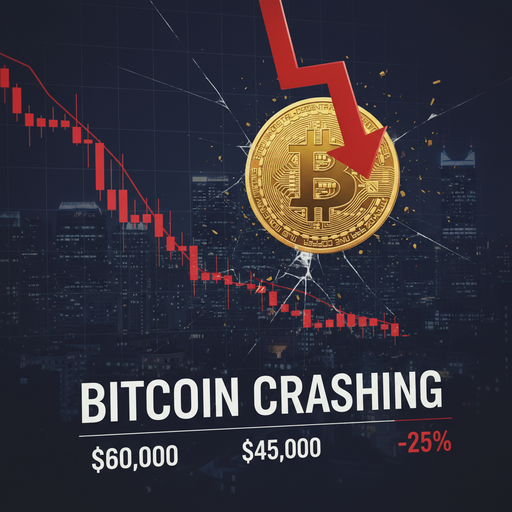
Market volatility continues as BTC breaks below the $74,000 key support level, with altcoins pulling back in sync. Are you buying the dip in batches or waiting for a better entry point?
💬 Today’s Discussion:
1️⃣ Bottom Signals: Where do you see BTC’s bottom — $70,000 or lower?
2️⃣ Market Drivers: Which recent macroeconomic news or rumors are influencing the market?
3️⃣ Dark Horses: Are there any resilient or outperforming tokens worth watching?
ShTap to Trade in Gate Square, Win up to 50 GT & Merch!
Click the trading widget in Gate Square content, complete a transaction, and take home 50 GT, Position Experience Vouchers, or exclusive Spring Festival merchandise.
Click the registration link to join
https://www.gate.com/questionnaire/7401
Enter Gate Square daily and click any trading pair or trading card within the content to complete a transaction. The top 10 users by trading volume will win GT, Gate merchandise boxes, position experience vouchers, and more.
The top prize: 50 GT.
![Spring Festival merchandise](https://exampl
#ADPJobsMissEstimates
#ADPJobsMissEstimates
This miss matters less as a headline and more as a confirmation.
For months, the labor market has been absorbing pressure through slower hiring rather than layoffs. That’s typical late-cycle behavior. Companies don’t fire first — they stop adding. ADP missing estimates fits that exact phase.
Look at the setup:
Rates are restrictive The cost of capital isn’t theoretical anymore. It’s flowing through to hiring decisions, especially for smaller firms that depend on credit, floating-rate debt, or short cash runways.
Labor demand is normalizing, not collapsing Openings are down. Hiring rates are down. Quits are down.
That’s not recession yet — that’s bargaining power shifting back to employers.
Wage pressure is easing Slower job growth + fewer quits = weaker wage acceleration.
That’s crucial because wages are the Fed’s real constraint, not headline CPI.
Hours worked are the canary Before layoffs show up, hours get cut. That’s how firms protect margins without triggering severance, headlines, or morale issues.
Small businesses are the signal ADP captures private payrolls, and weakness there usually shows up before government data reflects it. These firms don’t overhire and don’t hold excess labor “just in case.”
So what does this actually mean?
• For the Fed: labor data like this reduces urgency to stay aggressively restrictive
• For markets: it increases rate-cut optionality without guaranteeing growth stability
• For the economy: it raises downside risk if consumption weakens alongside hiring
The soft-landing narrative depends on one thing:
jobs staying strong enough to support spending while inflation cools.
Every miss chips away at that balance.
One report isn’t a trend.
But trends start with reports like this.
And once expectations reset, repricing happens fast.