

Trade
Basic
Futures
Futures
Hundreds of contracts settled in USDT or BTC
TradFi
Gold
Trade global traditional assets with USDT in one place
Options
Hot
Trade European-style vanilla options
Unified Account
Maximize your capital efficiency
Demo Trading
Futures Kickoff
Get prepared for your futures trading
Futures Events
Participate in events to win generous rewards
Demo Trading
Use virtual funds to experience risk-free trading
Earn
Launch
CandyDrop
Collect candies to earn airdrops
Launchpool
Quick staking, earn potential new tokens
HODLer Airdrop
Hold GT and get massive airdrops for free
Launchpad
Be early to the next big token project
Alpha Points
Trade on-chain assets and enjoy airdrop rewards!
Futures Points
Earn futures points and claim airdrop rewards
Investment
Simple Earn
Earn interests with idle tokens
Auto-Invest
Auto-invest on a regular basis
Dual Investment
Buy low and sell high to take profits from price fluctuations
Soft Staking
Earn rewards with flexible staking
Crypto Loan
0 Fees
Pledge one crypto to borrow another
Lending Center
One-stop lending hub
VIP Wealth Hub
Customized wealth management empowers your assets growth
Private Wealth Management
Customized asset management to grow your digital assets
Quant Fund
Top asset management team helps you profit without hassle
Staking
Stake cryptos to earn in PoS products
Smart Leverage
New
No forced liquidation before maturity, worry-free leveraged gains
GUSD Minting
Use USDT/USDC to mint GUSD for treasury-level yields

More


Trending Topics
View More80.22K Popularity
6.85K Popularity
2.01K Popularity
2.91K Popularity
7.5K Popularity



Pin
Gate Square | 2/5 Today's Hot Topic: #BuyTheDipOrWaitNow?
🎁 [Community Perk] Post with the topic or #BTC, 10 lucky users * $100 position Voucher.
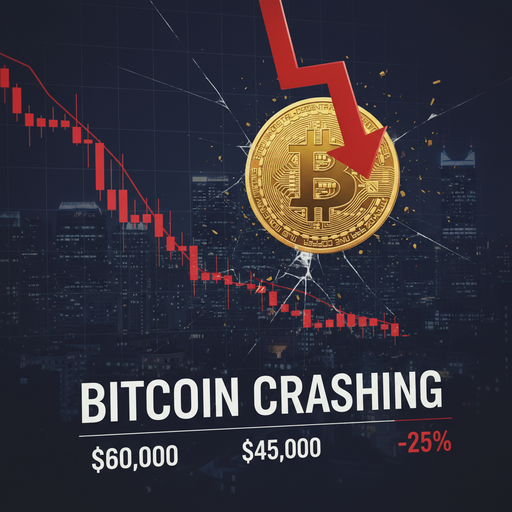
Market volatility continues as BTC breaks below the $74,000 key support level, with altcoins pulling back in sync. Are you buying the dip in batches or waiting for a better entry point?
💬 Today’s Discussion:
1️⃣ Bottom Signals: Where do you see BTC’s bottom — $70,000 or lower?
2️⃣ Market Drivers: Which recent macroeconomic news or rumors are influencing the market?
3️⃣ Dark Horses: Are there any resilient or outperforming tokens worth watching?
ShTap to Trade in Gate Square, Win up to 50 GT & Merch!
Click the trading widget in Gate Square content, complete a transaction, and take home 50 GT, Position Experience Vouchers, or exclusive Spring Festival merchandise.
Click the registration link to join
https://www.gate.com/questionnaire/7401
Enter Gate Square daily and click any trading pair or trading card within the content to complete a transaction. The top 10 users by trading volume will win GT, Gate merchandise boxes, position experience vouchers, and more.
The top prize: 50 GT.
![Spring Festival merchandise](https://exampl
The Risks of a Digital Currency in Korea: The Central Bank's Warning About Stablecoins
The Bank of Korea faces increasing regulatory challenges due to the expansion of stablecoins linked to local currencies. Governor Lee Chang-yong recently expressed concerns about the potential risks associated with launching a currency in Korea that is closely tied to cryptocurrencies, highlighting specific obstacles it could pose to the national financial system.
Capital Control Evasion as the Main Risk
Lee’s primary concern centers on how a stablecoin linked to the Korean won could facilitate the evasion of capital controls. According to his statements, this mechanism would pose a significant threat to the integrity of South Korea’s historically implemented monetary and financial policies. The official warned that rapid and decentralized stablecoin transactions could undermine existing regulatory frameworks.
Currency Volatility and Market Speculation
Another critical aspect addressed was the comparison with stablecoins denominated in US dollars, which are more popular due to lower transaction costs. However, Lee emphasized that a blockchain-based currency in Korea would be exposed to significant exchange rate fluctuations. This inherent volatility could trigger waves of financial speculation, causing instability in local markets and attracting operators seeking quick arbitrage opportunities.
Regulatory Challenges in Decentralized Issuance
The governor also highlighted the regulatory hurdles arising from the proliferation of stablecoins issued by entities outside the traditional banking system. The lack of centralized oversight over these issuances represents a breaking point in the financial governance structure. Lee noted that this regulatory fragmentation complicates the central bank’s ability to maintain monetary stability and properly monitor capital flows.
These warnings reflect the cautious stance that global central banks maintain toward crypto innovation, especially when a currency in Korea could disrupt established economic balances.