


Dasar
Spot
Perdagangkan kripto dengan bebas
Perdagangan Margin
Perbesar keuntungan Anda dengan leverage
Konversi & Investasi Otomatis
0 Fees
Perdagangkan dalam ukuran berapa pun tanpa biaya dan tanpa slippage
ETF
Dapatkan eksposur ke posisi leverage dengan mudah
Perdagangan Pre-Market
Perdagangkan token baru sebelum listing
Futures
Akses ribuan kontrak perpetual
TradFi
Emas
Satu platform aset tradisional global
Opsi
Hot
Perdagangkan Opsi Vanilla ala Eropa
Akun Terpadu
Memaksimalkan efisiensi modal Anda
Perdagangan Demo
Pengantar tentang Perdagangan Futures
Bersiap untuk perdagangan futures Anda
Acara Futures
Gabung acara & dapatkan hadiah
Perdagangan Demo
Gunakan dana virtual untuk merasakan perdagangan bebas risiko
Peluncuran
CandyDrop
Koleksi permen untuk mendapatkan airdrop
Launchpool
Staking cepat, dapatkan token baru yang potensial
HODLer Airdrop
Pegang GT dan dapatkan airdrop besar secara gratis
Launchpad
Jadi yang pertama untuk proyek token besar berikutnya
Poin Alpha
Perdagangkan aset on-chain, raih airdrop
Poin Futures
Dapatkan poin futures dan klaim hadiah airdrop
Investasi
Simple Earn
Dapatkan bunga dengan token yang menganggur
Investasi Otomatis
Investasi otomatis secara teratur
Investasi Ganda
Keuntungan dari volatilitas pasar
Soft Staking
Dapatkan hadiah dengan staking fleksibel
Pinjaman Kripto
0 Fees
Menjaminkan satu kripto untuk meminjam kripto lainnya
Pusat Peminjaman
Hub Peminjaman Terpadu


Lainnya





The Ronald Wayne Net Worth Story: How Fear Cost an Apple Fortune
When Ronald Wayne walked away from Apple in 1976, he couldn’t have imagined the scale of opportunity cost that decision would create. The Apple co-founder, who was 20 years Steve Jobs’ senior, owned 10% of the company at its inception. Today, that stake would be worth approximately $290 billion. Instead, Wayne received just $800 when he cashed out his shares—a decision he has publicly called his greatest regret.
The Administrative Role No One Expected to Matter
Ronald Wayne was brought into Apple to handle the administrative and business operations that Steve Jobs’ creative genius couldn’t manage. While Jobs was a visionary in his 20s, Wayne—already in his 40s—provided the operational framework the company desperately needed. Jobs brought the innovation; Wayne brought the structure. Yet Wayne’s lack of confidence in Jobs’ maturity would prove to be the most costly misjudgment of his career.
Wayne saw Jobs as reckless and impulsive. The age gap seemed to validate his concerns. How could he trust someone so young with the future? So Wayne made a choice rooted in fear: he sold his entire stake and disconnected from the venture.
The Numbers: 50 Years of Regret
Now, 50 years later since 1976, Wayne is in his 90s with a net worth of only $400,000. Meanwhile, his former colleagues at Apple became billionaires. Apple itself reached a valuation exceeding $2.9 trillion. Wayne’s $800 exit payment represents one of history’s most dramatic demonstrations of how short-term thinking destroys long-term wealth.
The ronald wayne net worth today stands as a stark contrast to what his Apple stake would have grown into—a real-world illustration of compounding over five decades. That 10% holding would have multiplied thousands of times over through Apple’s growth, acquisitions, and reinvested earnings.
Long-Term Games vs Short-Term Fear
This isn’t just Ronald Wayne’s story—it’s a pattern among successful investors. Reid Hoffman, LinkedIn’s founder, was once asked what he’d do with $1 billion in a single year. His answer: “Nothing. I don’t play one-year games. I play long-term. Give me 10 years.”
The difference between those who build extraordinary wealth and those who don’t often comes down to this fundamental distinction. Short-term fear causes people to exit when projects look dead. Long-term players enter precisely when opportunities appear dead because they understand the compounding effect of patience.
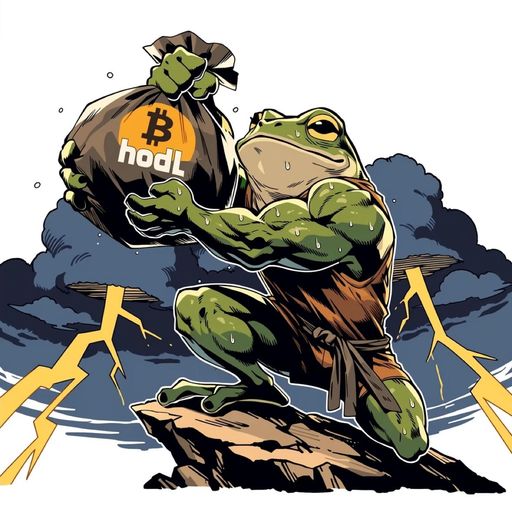
Wayne’s ronald wayne net worth decline reflects the mathematics of quitting too early. He didn’t fail because Apple was a bad investment. He failed because he played a short-term risk-management game when the real wealth was created through long-term commitment. His biggest lesson: don’t give up out of fear. Have a decade-long horizon, not a year-long plan.