


Futures
Access hundreds of perpetual contracts
TradFi
Gold
One platform for global traditional assets
Options
Hot
Trade European-style vanilla options
Unified Account
Maximize your capital efficiency
Demo Trading
Introduction to Futures Trading
Learn the basics of futures trading
Futures Events
Join events to earn rewards
Demo Trading
Use virtual funds to practice risk-free trading
Launch
CandyDrop
Collect candies to earn airdrops
Launchpool
Quick staking, earn potential new tokens
HODLer Airdrop
Hold GT and get massive airdrops for free
Launchpad
Be early to the next big token project
Alpha Points
Trade on-chain assets and earn airdrops
Futures Points
Earn futures points and claim airdrop rewards


More


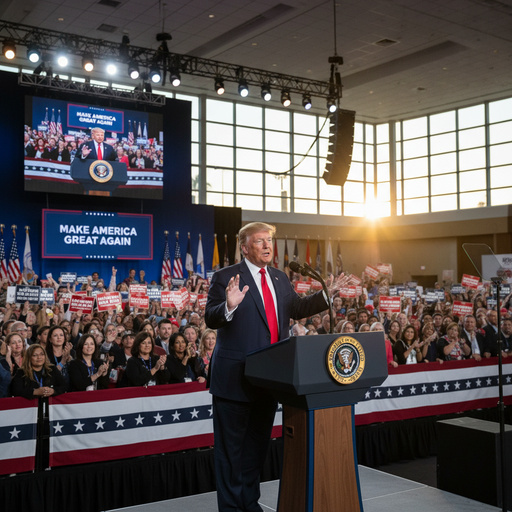


Trump's Steel and Aluminum Tariffs Shake ETF Markets: Aluminum ETF Winners and Losers
On March 11, 2025, President Trump’s announcement of potential 50% tariffs on Canadian steel and aluminum sent shockwaves through financial markets. While an initial 25% duty on steel and aluminum imports was set to take effect, the president’s suggestion of doubling this rate created significant uncertainty. For investors tracking aluminum etf and related equity funds, this policy development has created both opportunities and risks across multiple sectors.
How Aluminum ETFs React to Tariff Uncertainty
The tariff announcement revealed a stark divide in market sentiment. Nine steel industry executives, including leaders from U.S. Steel, Nucor, and Cleveland-Cliffs, publicly supported the original 25% tariff proposal, viewing it as protection against unfair competition. However, the aluminum sector’s response was more complicated. Alcoa’s leadership voiced concerns that aluminum etf exposure could suffer, particularly given the company’s substantial Canadian operations. Meanwhile, Philip Bell, president of the Steel Manufacturers Association, expressed cautious optimism that at least the baseline tariff level would remain in place, though final policy details remained uncertain.
The core concern for aluminum etf investors centers on competing pressures: domestic price supports versus potential demand destruction. As Trump administration officials have criticized past tariff exemptions that allegedly allowed cheap Chinese steel and aluminum to flood the U.S. market through third-party routes, stricter enforcement could reshape pricing dynamics.
Steel Industry Support vs. Aluminum Sector Hesitation
The policy divide reflects deeper industry realities. U.S. steel manufacturers largely embraced the tariff plan as long-overdue protection, with executives pointing to China’s trade practices as creating an uneven competitive landscape. This perspective aligns with statements from the Biden administration in 2024, which similarly emphasized the need for stronger aluminum and steel protections.
In contrast, the aluminum industry’s mixed response stems from structural concerns. Alcoa CEO William Oplinger highlighted how tariffs could harm U.S. aluminum producers with integrated North American supply chains. This divergence suggests that aluminum etf portfolios could experience volatility depending on their geographic exposure and supplier relationships.
Competing ETF Opportunities in the Tariff Era
The VanEck Steel ETF (SLX) posted a 1.3% gain on March 11, 2025, reflecting immediate investor optimism about tariff beneficiaries. The fund maintains 53.14% U.S. exposure, with additional positions in Brazil (15.21%) and Australia (10.91%). With an annual yield of 3.44% and a 56 basis points expense ratio, this steel-focused aluminum etf alternative demonstrated resilience amid policy uncertainty.
However, aluminum etf investors should also consider losers in this scenario. The Invesco Building & Construction ETF (PKB) faces potential headwinds, as higher steel prices directly increase material costs for construction projects. Similarly, the Invesco Food & Beverage ETF (PBJ) could encounter challenges, with companies like Diageo, Mondelez International, Coca-Cola, and PepsiCo facing elevated packaging and equipment costs.
Aluminum ETF and Downstream Industry Impact
Economic analysis reveals the broader stakes at play. Ryan Young, a senior economist at the Competitive Enterprise Institute, noted that Trump’s previous metal tariff policies created approximately 1,000 jobs in steel and aluminum manufacturing but simultaneously resulted in the loss of 75,000 jobs across downstream industries including automotive production, construction, and beverages. This historical precedent suggests that aluminum etf and related equity instruments may face longer-term pressures despite short-term policy support.
Consumers are already feeling the impact, as domestic steel prices surged from approximately $700 per ton to nearly $1,000 per ton following Trump’s February announcement. Industry observers suggest this cost shock could filter through into aluminum baseball bats, stainless steel cookware, fishing reels, and countless other consumer goods.
The trajectory of aluminum etf valuations will likely depend on how the final tariff framework evolves. While domestic steel and aluminum producers celebrate potential protection, investors must weigh these gains against ripple effects throughout interconnected supply chains. The intersection of tariff policy, aluminum etf performance, and macroeconomic consequences will remain a critical watch point for portfolio managers navigating the evolving trade landscape.