

Trade
Basic
Futures
Futures
Hundreds of contracts settled in USDT or BTC
TradFi
Gold
Trade global traditional assets with USDT in one place
Options
Hot
Trade European-style vanilla options
Unified Account
Maximize your capital efficiency
Demo Trading
Futures Kickoff
Get prepared for your futures trading
Futures Events
Participate in events to win generous rewards
Demo Trading
Use virtual funds to experience risk-free trading
Earn
Launch
CandyDrop
Collect candies to earn airdrops
Launchpool
Quick staking, earn potential new tokens
HODLer Airdrop
Hold GT and get massive airdrops for free
Launchpad
Be early to the next big token project
Alpha Points
Trade on-chain assets and enjoy airdrop rewards!
Futures Points
Earn futures points and claim airdrop rewards
Investment
Simple Earn
Earn interests with idle tokens
Auto-Invest
Auto-invest on a regular basis
Dual Investment
Buy low and sell high to take profits from price fluctuations
Soft Staking
Earn rewards with flexible staking
Crypto Loan
0 Fees
Pledge one crypto to borrow another
Lending Center
One-stop lending hub
VIP Wealth Hub
Customized wealth management empowers your assets growth
Private Wealth Management
Customized asset management to grow your digital assets
Quant Fund
Top asset management team helps you profit without hassle
Staking
Stake cryptos to earn in PoS products
Smart Leverage
New
No forced liquidation before maturity, worry-free leveraged gains
GUSD Minting
Use USDT/USDC to mint GUSD for treasury-level yields

More


Trending Topics
View More76.1K Popularity
4.32K Popularity
1.62K Popularity
1.96K Popularity
6.02K Popularity



Pin
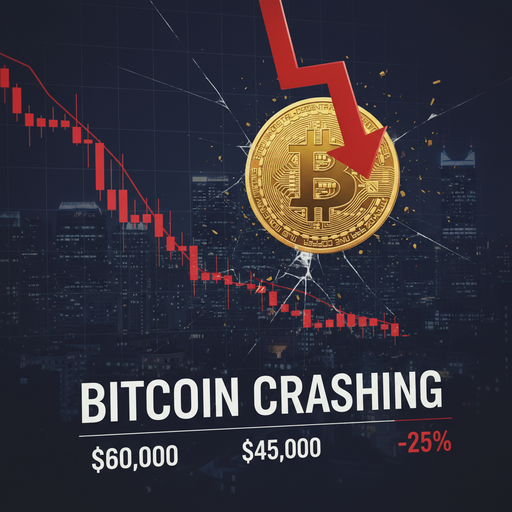
Predicting Market Crash Timing Remains Impossible: A Historical Analysis
Everyone wants to know when the market crash will happen. But here’s the uncomfortable truth: timing market downturns is historically harder than most investors assume. The anxiety around upcoming crashes—whether triggered by debt, geopolitical tensions, or speculative bubbles—often leads investors to make protective moves too early, and gold buying becomes the canary in the coal mine for panic rather than prescience.
Historical Crashes Show Gold’s Reactive, Not Predictive, Nature
Looking back at major market downturns reveals a consistent pattern: gold doesn’t typically surge before crashes occur—it rises after panic sets in.
The Dot-Com Collapse (2000–2002) demonstrated this clearly. While the S&P 500 plummeted 50%, gold actually gained 13% during that same period. But notably, gold’s strongest performance came after the initial stock market damage was already evident.
During the Global Financial Crisis (2007–2009), the pattern repeated. The S&P 500 crashed 57.6%, and gold rose 16.3%—providing some cushion during the chaos, but again, this was a reaction to the crisis, not a prediction of it.
The COVID-19 shock in 2020 offers the clearest example. The S&P 500 initially dropped 35%, and gold actually fell 1.8% in the immediate aftermath. Only as panic truly set in did gold surge 32%, while stocks recovered 54% in the following months. The lesson: gold lagged in responding to the crash, rather than leading it.
Why Fear-Driven Asset Rotation Before Crashes Often Fails
Here’s where many investors go wrong. Current market concerns are legitimate—U.S. debt levels, deficit spending, AI valuation debates, geopolitical conflicts, and trade tensions are all real. But these concerns have existed in various forms for years, and investors who rotated into gold preemptively often found themselves stuck in a defensive position while risk assets continued appreciating.
Consider the 2009–2019 period. While gold rose 41%, the S&P 500 soared 305%. Investors who panic-rotated into gold a decade ago missed out on one of the greatest bull markets in history.
The fundamental issue: no predictive framework reliably signals when the market crash will occur. Headlines about collapse are constant, but they’re not reliable timing mechanisms. Panic-buying metals before a crash doesn’t reflect how markets actually work—it reflects how fear actually works.
The Real Cost of Timing the Market Crash
The true risk isn’t that investors miss a crash. It’s that they overweight defensive positions while waiting for one that may not arrive—or arrives years later. Capital locked in gold during prolonged bull markets is capital not working in equities, real estate, or growth assets.
The pattern is clear: whether we’re discussing the aftermath of the dot-com era, the 2009 recovery, or the years following COVID, the biggest wealth destruction doesn’t come from crashes themselves—it comes from sitting on the sidelines trying to predict exactly when the market crash will happen.
The bottom line: Gold serves as a consequence asset, not a predictive one. It responds to crises after they manifest, not before. Those attempting to time the market crash through early defensive positioning often end up missing the very growth they sought to protect themselves from. History suggests the more profitable approach is staying positioned for growth while understanding that crashes are market reactions, not advance-warned events.