

Trade
Basic
Futures
Futures
Hundreds of contracts settled in USDT or BTC
TradFi
Gold
Trade global traditional assets with USDT in one place
Options
Hot
Trade European-style vanilla options
Unified Account
Maximize your capital efficiency
Demo Trading
Futures Kickoff
Get prepared for your futures trading
Futures Events
Participate in events to win generous rewards
Demo Trading
Use virtual funds to experience risk-free trading
Earn
Launch
CandyDrop
Collect candies to earn airdrops
Launchpool
Quick staking, earn potential new tokens
HODLer Airdrop
Hold GT and get massive airdrops for free
Launchpad
Be early to the next big token project
Alpha Points
Trade on-chain assets and enjoy airdrop rewards!
Futures Points
Earn futures points and claim airdrop rewards
Investment
Simple Earn
Earn interests with idle tokens
Auto-Invest
Auto-invest on a regular basis
Dual Investment
Buy low and sell high to take profits from price fluctuations
Soft Staking
Earn rewards with flexible staking
Crypto Loan
0 Fees
Pledge one crypto to borrow another
Lending Center
One-stop lending hub
VIP Wealth Hub
Customized wealth management empowers your assets growth
Private Wealth Management
Customized asset management to grow your digital assets
Quant Fund
Top asset management team helps you profit without hassle
Staking
Stake cryptos to earn in PoS products
Smart Leverage
New
No forced liquidation before maturity, worry-free leveraged gains
GUSD Minting
Use USDT/USDC to mint GUSD for treasury-level yields

More


Trending Topics
View More75.53K Popularity
4.2K Popularity
1.6K Popularity
1.96K Popularity
6.02K Popularity




Pin
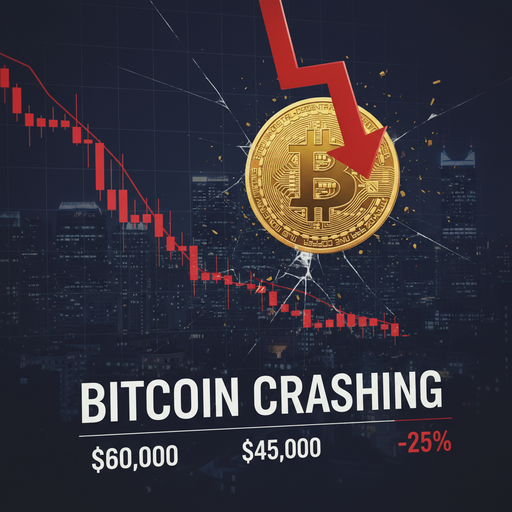
Bitcoin cycle reversed: Why the 2014 calendar no longer repeats?
As of January 31, 2026, Bitcoin (BTC) is breaking a technical rule that analysts once considered “destiny.” Since the 2014 chart, each major correction cycle has started with a specific sequence of events. However, the current market is rewriting this script in a completely new way.
Historical Pattern from 2014 to 2022: Classic Warning Signals
Looking back at the three main bear cycles (2014, 2018, 2022), a successful formula has repeated: weekly closing prices drop below the SMA 100, followed by the death cross between EMA 100 and SMA 100. This is the final confirmation before a severe sell-off.
From the 2014 chart when Bitcoin was at low prices, through subsequent cycles, this pattern has always led to ruthless corrections. Technical experts have regarded this as a “market law,” but 2026 seems different.
Technical Structure of 2026: Unusual Confirmation of SMA 100 and EMA 100
Despite recent weekly volatility, the current price remains around $82.84K — almost unchanged from $82,831.8 on January 22. Notably, the EMA 100 and SMA 100 lines still maintain a healthy bullish arrangement, rather than allowing prices to “free fall.”
The action to defend these moving averages — instead of capitulating as in previous cycles — indicates an objective structural difference. This is not a “game over” signal, but a re-establishment, a rebalancing of market forces.
Organizational Absorption: A Barrier to the Historical Scenario
Deeper analysis shows that absorption by institutions is preventing the collapse scenario that marked the start of the 2014 chart. Instead of just retail panic selling, we are witnessing a strategic redistribution.
The divergence between technical forecasts and actual price action clearly indicates: major players are still building positions rather than retreating. This marks a fundamental difference from previous cycles.
Conclusion: The 2026 Cycle Operates on a New Reference Frame
The reversal of the scenario that once defined all events from the 2014 chart shows that the Bitcoin market is entering a different phase. While risks still exist, the current technical structure — with vigorous protection of the moving averages — clearly indicates that history does not necessarily have to repeat itself.
BTC is currently at a relatively stable level, reflecting a longer-term balancing process rather than a free fall, especially compared to the panic selling seen in earlier cycles.