


Futures
Hundreds of contracts settled in USDT or BTC
TradFi
Gold
One platform for global traditional assets
Options
Hot
Trade European-style vanilla options
Unified Account
Maximize your capital efficiency
Demo Trading
Futures Kickoff
Get prepared for your futures trading
Futures Events
Join events to earn rewards
Demo Trading
Use virtual funds to experience risk-free trading
Launch
CandyDrop
Collect candies to earn airdrops
Launchpool
Quick staking, earn potential new tokens
HODLer Airdrop
Hold GT and get massive airdrops for free
Launchpad
Be early to the next big token project
Alpha Points
Trade on-chain assets and earn airdrops
Futures Points
Earn futures points and claim airdrop rewards


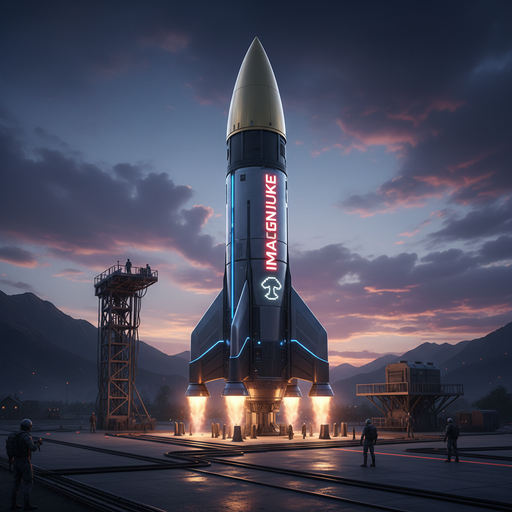


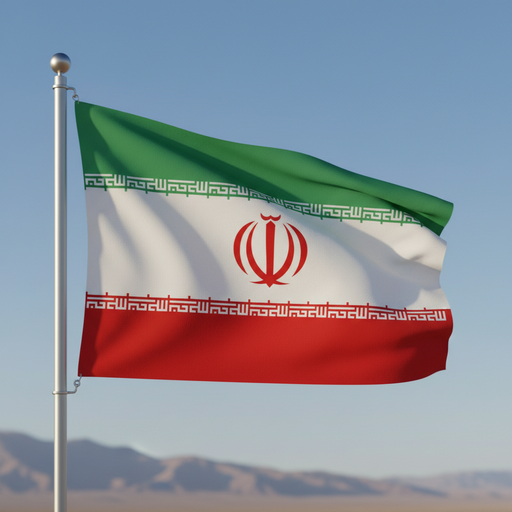
#USIranNuclearTalksTurmoil
#USIranNuclearTalksTurmoil Inside the High-Stakes U.S.–Iran Nuclear Negotiations
Background: Why These Talks Matter Right Now
As of February 2026, the nuclear relationship between the United States and Iran has once again entered a critical and fragile phase. After months of stalled diplomacy, indirect messaging, and rising regional tensions, both sides returned to the negotiating table in an attempt to prevent further escalation. These talks are not routine diplomacy they are taking place against a backdrop of military pressure, economic sanctions, and deep political mistrust, making the outcome highly consequential for regional and global stability.
Where the Talks Are Taking Place & Who Is Involved
The latest round of negotiations is being held in Muscat, Oman, a long-standing neutral mediator between Washington and Tehran. Oman’s role is crucial, as it allows both sides to engage without direct confrontation. Senior Iranian officials are leading Tehran’s delegation, while the U.S. side is represented by high-level diplomatic envoys authorized to explore de-escalation pathways. The talks are structured, cautious, and heavily mediated, reflecting the sensitivity of the issues at stake.
Core Objective of the Negotiations
At the heart of the talks lies Iran’s nuclear program, particularly its uranium enrichment activities. The United States is pushing for verifiable limits and strict monitoring mechanisms to ensure Iran’s nuclear program remains non-military. Iran, on the other hand, insists that its nuclear activities are for peaceful purposes and demands recognition of its right to enrich uranium under international law alongside meaningful sanctions relief.
Key Points of Disagreement
Despite renewed engagement, major divisions remain:
• Scope of the Talks Iran wants discussions limited strictly to nuclear matters, while the U.S. seeks to broaden the agenda to include regional security, missile development, and proxy activities.
• Sanctions Relief vs Compliance Tehran is demanding tangible economic relief early in the process, whereas Washington insists on concrete, verifiable steps before lifting sanctions.
• Trust Deficit Years of broken agreements and mutual accusations continue to undermine confidence, slowing progress and complicating compromises.
Regional Tensions & Military Pressure
These negotiations are unfolding alongside heightened military posturing in the Middle East. The U.S. has reinforced its regional presence, signaling deterrence, while Iran has issued warnings against any military action. This combination of diplomacy and force creates a volatile environment where miscalculation could quickly escalate into conflict, increasing the urgency of successful talks.
Domestic Pressures on Both Sides
Internally, both governments face pressure. Iranian leadership is navigating economic strain caused by sanctions and domestic unrest, while U.S. policymakers must balance diplomatic engagement with national security concerns and political expectations at home. These domestic dynamics limit flexibility and make concessions politically risky for both sides.
Current Status: Talks Ongoing, Outcome Uncertain
As of now, no final agreement has been reached. Discussions are continuing, focused on identifying common ground and preventing immediate escalation. While progress is slow, the fact that negotiations are ongoing indicates that both sides currently see diplomacy as preferable to confrontation.
Why the World Is Watching Closely
The #USIranNuclearTalksTurmoil is not just about two countries it directly impacts global energy markets, regional security, nuclear non-proliferation efforts, and international diplomacy norms. A breakdown in talks could trigger broader instability, while even a limited agreement could reduce tensions and open doors for future engagement.
Conclusion: Diplomacy Under Pressure
These negotiations represent a moment where dialogue and deterrence exist side by side. February 2026 may not deliver a breakthrough, but it is shaping the direction of U.S.–Iran relations for the months ahead. Whether these talks lead to de-escalation or deeper confrontation will depend on trust-building, political will, and the ability of both sides to compromise without crossing their red lines.