


Futures
Hundreds of contracts settled in USDT or BTC
TradFi
Gold
One platform for global traditional assets
Options
Hot
Trade European-style vanilla options
Unified Account
Maximize your capital efficiency
Demo Trading
Futures Kickoff
Get prepared for your futures trading
Futures Events
Join events to earn rewards
Demo Trading
Use virtual funds to experience risk-free trading
Launch
CandyDrop
Collect candies to earn airdrops
Launchpool
Quick staking, earn potential new tokens
HODLer Airdrop
Hold GT and get massive airdrops for free
Launchpad
Be early to the next big token project
Alpha Points
Trade on-chain assets and earn airdrops
Futures Points
Earn futures points and claim airdrop rewards


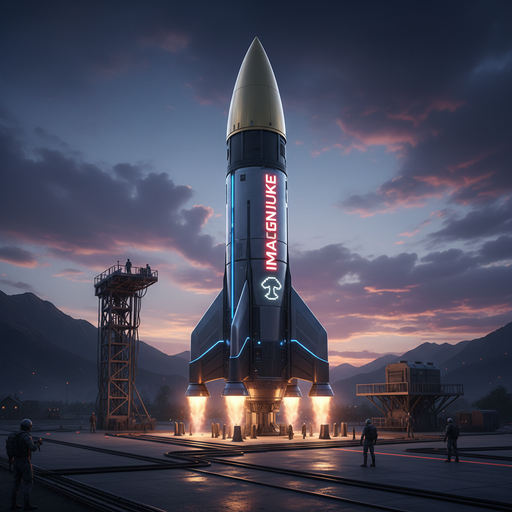


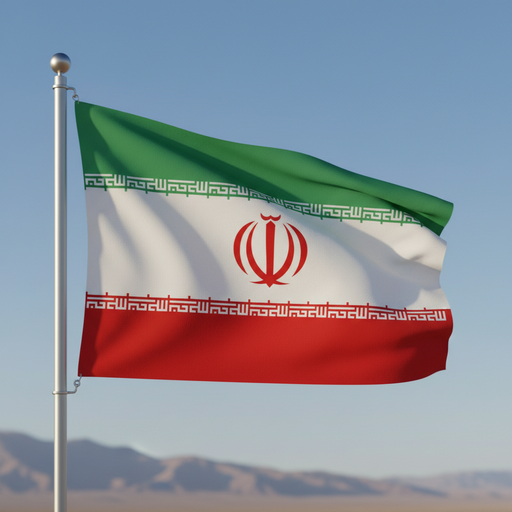
#USIranTensionsImpactMarkets When geopolitics ignites, markets never stay neutral.
The rising tensions between the United States and Iran are once again sending shockwaves through the global financial system. Investors know one truth that history has proven repeatedly: geopolitical conflict doesn’t just shape headlines — it reshapes capital flows, risk appetite, and market direction.
Energy markets are the first battlefield.
Iran sits at the heart of the global oil supply chain, and any escalation involving the United States immediately triggers fears of supply disruption across the Middle East corridor. As traders price in uncertainty, crude oil volatility rises sharply — and with it comes ripple effects across commodities, equities, and digital assets.
But the real story isn’t just oil.
When geopolitical risk surges, global investors enter defensive mode. Capital begins rotating away from risk-heavy assets and into perceived safe havens. Historically this means strength in gold, the US dollar, and strategic commodities, while risk markets become more volatile.
Crypto markets react in complex ways.
Some investors treat digital assets as a hedge against global instability, while others reduce exposure during high-risk geopolitical environments. This push and pull creates the kind of volatility that seasoned traders watch carefully, because uncertainty often opens the door to opportunity.
And this is where disciplined traders separate themselves from emotional ones.
Moments like these are not simply crises — they are information events. Markets digest geopolitical developments in real time, pricing in probabilities, risk scenarios, and macroeconomic consequences.
Smart participants are not panicking.
They are observing liquidity shifts, monitoring sentiment, and positioning strategically.
Because in the world of global markets, one principle always remains true:
Volatility is not the enemy of traders — it is the raw material of opportunity.
The question now is no longer if markets will react.
The real question is:
How will you position yourself when geopolitics becomes the catalyst for the next major market move?