


Futures
Access hundreds of perpetual contracts
TradFi
Gold
One platform for global traditional assets
Options
Hot
Trade European-style vanilla options
Unified Account
Maximize your capital efficiency
Demo Trading
Introduction to Futures Trading
Learn the basics of futures trading
Futures Events
Join events to earn rewards
Demo Trading
Use virtual funds to practice risk-free trading
Launch
CandyDrop
Collect candies to earn airdrops
Launchpool
Quick staking, earn potential new tokens
HODLer Airdrop
Hold GT and get massive airdrops for free
Launchpad
Be early to the next big token project
Alpha Points
Trade on-chain assets and earn airdrops
Futures Points
Earn futures points and claim airdrop rewards


More





What is Funding Fee (Fonlama Ücreti)? Fee Mechanism in Leveraged Trading
Traders engaging in leveraged trading are required to pay funding fees to hold their open positions over certain periods. This cost is especially common in futures and margin trading. The funding fee helps balance borrowing costs on exchanges and is a key element in market liquidity management.
Basic Definition of the Funding Fee and Payment Period
The funding fee can be viewed as the cost of maintaining leveraged positions. On most exchanges, this fee is collected approximately every 8 hours and can be paid up to three times a day. In rare cases, during extreme market overheating, payments may occur four times.
The size of the fee is dynamic. The funding rate set by the exchange varies with the current market conditions. This rate can be positive or negative, primarily determined by the price difference between the spot market and the futures market.
Relationship Between Spot and Futures Price Differences and the Funding Fee
If the price of the traded pair is higher on the futures side than on the spot, it indicates that short positions are dominant in that environment. In such scenarios, the funding rate tends to become negative. As this price gap widens, short positions become even more dominant, and the rate shifts further into negative territory.
Conversely, when futures prices are higher than spot prices, long positions dominate, and the funding rate turns positive. The system transfers part of the funding paid by short traders to long traders to correct this price imbalance. This mechanism functions as a natural market balancing tool.
Reading Trading Signals from the Funding Rate and Strategic Use
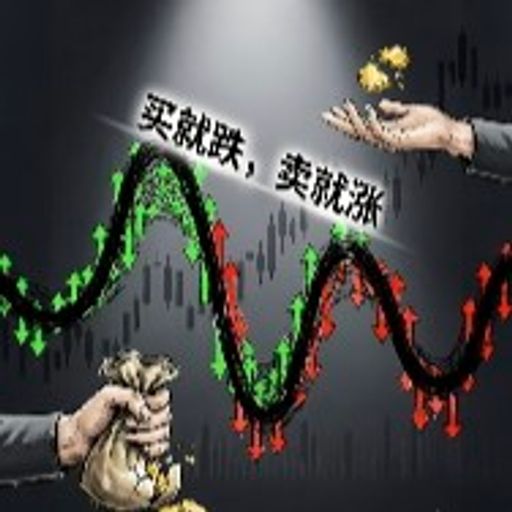
Funding rate data should be considered more as an analytical indicator rather than the primary basis for trading decisions. Markets tend to move contrary to mainstream opinions. High positive rates indicate excessive demand, but they can also signal a potential reversal.
Professional traders use the trend of the funding rate as a long-term indicator to identify overheated positions and manage their risks accordingly. When combined with technical analysis and other market indicators, this data can strengthen trading strategies.