


Futures
Access hundreds of perpetual contracts
TradFi
Gold
One platform for global traditional assets
Options
Hot
Trade European-style vanilla options
Unified Account
Maximize your capital efficiency
Demo Trading
Introduction to Futures Trading
Learn the basics of futures trading
Futures Events
Join events to earn rewards
Demo Trading
Use virtual funds to practice risk-free trading
Launch
CandyDrop
Collect candies to earn airdrops
Launchpool
Quick staking, earn potential new tokens
HODLer Airdrop
Hold GT and get massive airdrops for free
Launchpad
Be early to the next big token project
Alpha Points
Trade on-chain assets and earn airdrops
Futures Points
Earn futures points and claim airdrop rewards


More




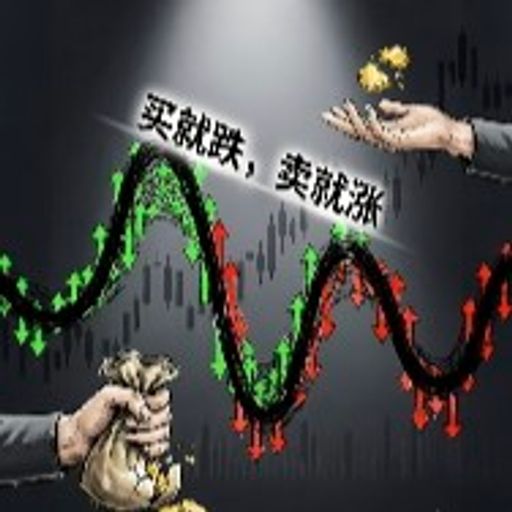

What is the Bull Season That Crypto Investors Are Expecting?
In the cryptocurrency market, there are periods when prices continuously rise and most investors realize profits in their positions. These periods are what define a “bull season.” The significant gains of certain altcoin projects during these times encourage investors to wait for these seasons. Market participants believe that prices will move upward during such times, leading them to expand their investment portfolios.
How Is a Bull Season Defined and Why Is It Named That?
A bull season is defined as a period when the cryptocurrency market enters an upward trend, and investors anticipate growth. This period can last for weeks, months, or even years. The term “bull” is associated with this phase because bulls thrust their horns upward toward the sky, symbolizing a rising market trend.
Cryptocurrencies experience much higher price volatility compared to traditional financial instruments. This volatility offers investors the chance for substantial gains or significant losses within short time frames. Therefore, experienced investors prefer to wait for the bullish trend rather than take risky actions during uncertain times.
Market Movements: Starting and Predictability
It is not possible to precisely predict the exact start of a bull season in advance. Investors try to forecast potential upward phases by monitoring political developments, technological innovations, macroeconomic data, and short-term market reactions. However, these predictions are not always accurate.
The emergence of a bull season does not mean prices will never fall. During these periods, sharp increases can occur at certain times, but temporary declines are normal and expected. These technical corrections in cryptocurrencies are often seen as signs of a healthy and sustainable upward trend.
Investor Psychology: Making Correct Decisions During Corrections
During correction periods, panicked investors may make quick selling decisions. However, experienced investors understand that such price pullbacks are temporary and that the continuation of the bull trend is not a sign of weakness but rather healthy consolidation. Investors should analyze market dynamics carefully before rushing to sell during these times.
Duration of a Bull Season: How Long Does It Last?
Unfortunately, a bull season does not last forever. Global events—such as the Covid-19 pandemic, the Russia-Ukraine conflict, and geopolitical tensions—can dramatically increase market volatility. When negative developments occur consecutively, sudden and sharp declines may happen.
Similarly, signals of regulatory interventions, failures of major projects, or technical issues can deeply undermine investor confidence. When confidence erodes, market participants may rapidly sell their positions, leading to a deeper downward spiral.
Transition to a Bear Market: The End of a Bull Season
Accumulation of negative developments can cause a sharp end to the bull season and trigger a transition into a “bear market.” In a bear market, prices decline, investors become worried, and the market enters a downward cycle. To fully understand what a bull season is, it is essential to also grasp the concept of a bear market and the balancing mechanisms between these two phases.
It is important to recognize that both phases are natural parts of the cryptocurrency market cycle. Successful investors follow these cycles to inform their decision-making.