Abassi

vip
Age 2.2 Yıl
Peak Tier 0
No content yet
#EthereumFoundationStakes$46.2METH The recent move by the Ethereum Foundation to stake $46.2 million worth of ETH has sparked significant discussion across the crypto space. This development is not just a routine transaction—it reflects a broader strategy that could shape the future direction of the Ethereum network and influence market sentiment in the weeks ahead.
Staking, at its core, is a process where ETH holders lock up their tokens to help secure the network and validate transactions under Ethereum’s Proof-of-Stake consensus mechanism. By committing such a large amount of ETH, the Ether
ETH-3,71%
ShainingMoonvip
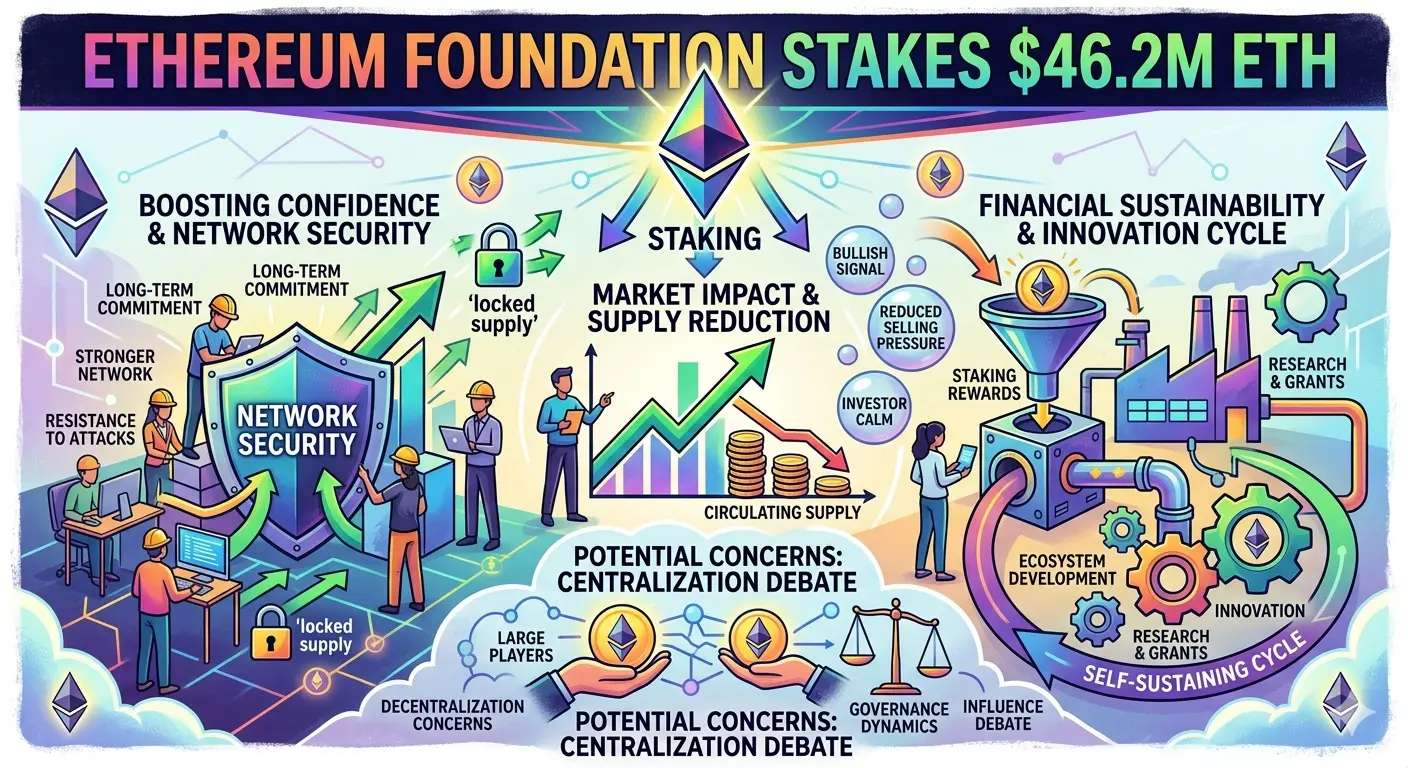
#EthereumFoundationStakes$46.2METH The recent move by the Ethereum Foundation to stake $46.2 million worth of ETH has sparked significant discussion across the crypto space. This development is not just a routine transaction—it reflects a broader strategy that could shape the future direction of the Ethereum network and influence market sentiment in the weeks ahead.
Staking, at its core, is a process where ETH holders lock up their tokens to help secure the network and validate transactions under Ethereum’s Proof-of-Stake consensus mechanism. By committing such a large amount of ETH, the Ethereum Foundation is signaling strong confidence in the long-term stability and growth of the network. It also reinforces the idea that Ethereum is transitioning into a more sustainable and yield-generating ecosystem.
From a market perspective, this move is largely seen as bullish. When a major entity like the Ethereum Foundation stakes a significant portion of ETH, it effectively reduces the circulating supply available for trading. Lower supply, combined with steady or increasing demand, can create upward pressure on price over time. Additionally, staking demonstrates a long-term holding mindset, which can calm investor fears during periods of volatility.
Another important angle to consider is network security. The more ETH that is staked, the stronger and more decentralized the Ethereum network becomes. This move contributes to the resilience of the blockchain, making it more resistant to attacks and enhancing trust among developers, investors, and users. For a platform that powers thousands of decentralized applications, this level of security is critical.
There is also a strategic financial aspect behind this decision. By staking ETH, the Ethereum Foundation earns staking rewards, which can provide a steady stream of passive income. These rewards can then be reinvested into ecosystem development, research, and grants—further fueling innovation within the Ethereum community. It creates a self-sustaining cycle where the network supports its own growth.
However, not everyone views this move without caution. Some critics argue that large-scale staking by influential entities could raise concerns about centralization. If too much ETH is controlled or staked by a few large players, it might impact governance dynamics in the long run. While Ethereum’s design aims to prevent this, it remains an ongoing topic of debate within the community.
Overall, the Ethereum Foundation staking $46.2M ETH is a powerful statement of confidence and commitment. It highlights the maturity of Ethereum as a financial and technological ecosystem and underscores the importance of long-term thinking in crypto. Whether this move leads to immediate price action or gradual growth, it undeniably strengthens Ethereum’s position as a leading force in the blockchain industry.
repost-content-media
  • Reward
  • Comment
  • Repost
  • Share
#CryptoMarketsRiseBroadly The crypto market is once again flashing green across the board, signaling a powerful shift in sentiment that traders, investors, and institutions have been waiting for. After weeks of uncertainty, consolidation, and cautious positioning, the market is now entering a phase where momentum is not only visible but accelerating. This broad-based recovery is not limited to a single sector or narrative. Instead, it reflects a synchronized movement across major assets, altcoins, DeFi tokens, and even emerging narratives like AI-integrated blockchain projects.
This kind of ma
ShainingMoonvip
#CryptoMarketsRiseBroadly The crypto market is once again flashing green across the board, signaling a powerful shift in sentiment that traders, investors, and institutions have been waiting for. After weeks of uncertainty, consolidation, and cautious positioning, the market is now entering a phase where momentum is not only visible but accelerating. This broad-based recovery is not limited to a single sector or narrative. Instead, it reflects a synchronized movement across major assets, altcoins, DeFi tokens, and even emerging narratives like AI-integrated blockchain projects.
This kind of market-wide rise is important because it suggests something deeper than a temporary pump. It indicates a structural shift in confidence. When multiple sectors move together, it often points toward capital inflow rather than simple rotation. In simpler terms, new money is entering the market instead of just moving between coins. That distinction is critical for understanding whether this rally has the potential to sustain itself or fade away quickly.
At the center of this rally is Bitcoin, which continues to act as the anchor for the entire crypto ecosystem. Bitcoin’s recent stability above key resistance levels has created a foundation of confidence. When Bitcoin holds strong and avoids sharp corrections, it gives altcoins room to breathe and grow. This stability reduces fear and encourages traders to take calculated risks in other parts of the market. As a result, Ethereum and other large-cap assets have followed with strong upward momentum, reinforcing the bullish narrative.
Ethereum’s performance in this rally is particularly noteworthy. It is not just moving with the market but also benefiting from renewed interest in decentralized applications, staking mechanisms, and layer-two scaling solutions. The growth in Ethereum-based ecosystems shows that this rally is not purely speculative. There is increasing activity and engagement, which adds a layer of fundamental strength to the price action.
Beyond the major players, altcoins are experiencing a significant surge. This is often referred to as an “altseason,” where smaller-cap tokens outperform larger assets in percentage gains. The current environment shows early signs of such a phase. Projects in gaming, artificial intelligence, and decentralized finance are seeing renewed interest. Traders are actively searching for undervalued opportunities, and this behavior is a strong indicator of growing confidence in the broader market.
One of the key drivers behind this widespread growth is macroeconomic sentiment. Global financial conditions are slowly shifting in a way that benefits risk assets. When inflation concerns ease and central banks adopt a less aggressive stance, investors tend to move toward higher-risk, higher-reward markets like crypto. This macro backdrop creates a supportive environment that amplifies bullish momentum within the crypto space.
Another major factor contributing to this rally is institutional participation. Over the past few years, institutions have gradually entered the crypto market, and their presence is becoming more influential. Large funds, asset managers, and even corporations are allocating capital to digital assets. This influx of institutional money brings stability and credibility, reducing the volatility that once dominated the market. It also signals long-term confidence, which encourages retail investors to follow suit.
Liquidity is another crucial element in understanding this market movement. Increased liquidity means more buying power, smoother price movements, and reduced chances of sudden crashes. The current rally is supported by improving liquidity conditions, which suggests that the market has the strength to sustain upward movement rather than collapsing under pressure.
Market psychology also plays a significant role in this phase. Fear and greed are powerful forces in crypto trading. After a period of fear, even a small upward movement can trigger a wave of optimism. As prices continue to rise, this optimism turns into confidence, and eventually into euphoria. The current stage appears to be transitioning from cautious optimism to growing confidence. Traders are no longer just observing the market. They are actively participating.
However, it is important to understand that no rally is without risks. While the market is showing strong bullish signals, there are always possibilities of corrections. Sharp upward movements often lead to temporary pullbacks as traders take profits. These corrections are not necessarily negative. In fact, they are healthy for the market because they prevent overextension and create new entry points for investors.
Regulatory developments also remain a factor that cannot be ignored. Governments around the world are still shaping their stance on cryptocurrencies. Positive regulatory clarity can boost the market significantly, while uncertainty or restrictive policies can create temporary setbacks. The current rally suggests that the market is absorbing these uncertainties and focusing more on long-term growth rather than short-term fears.
Technology and innovation continue to be the backbone of this market. Blockchain technology is evolving rapidly, with new solutions addressing scalability, security, and usability. These advancements are attracting developers, entrepreneurs, and investors, creating a cycle of growth that fuels the entire ecosystem. The rise of new narratives, such as AI integration and real-world asset tokenization, is adding fresh excitement to the market.
Social sentiment and community engagement are also playing a role in this rally. Crypto has always been a community-driven space, and the current momentum is being amplified by social media discussions, influencer activity, and increased visibility. When more people talk about crypto, it creates a feedback loop that attracts even more participants.
From a trading perspective, this is a time that requires both excitement and caution. While opportunities are abundant, discipline is essential. Chasing pumps without proper analysis can lead to losses. Successful traders in this environment are those who combine technical analysis with a strong understanding of market fundamentals. They recognize trends early, manage risk effectively, and avoid emotional decision-making.
Long-term investors, on the other hand, see this phase as validation of their belief in the crypto market. For them, short-term fluctuations are less important than the overall trajectory. The current rally reinforces the idea that crypto is not just a passing trend but a growing financial ecosystem with real-world applications.
Looking ahead, the key question is whether this rally can sustain itself. The answer depends on multiple factors, including macroeconomic conditions, institutional participation, regulatory clarity, and continued innovation. If these elements remain supportive, the market has the potential to reach new highs and expand further.
Another interesting aspect to watch is the rotation of capital within the market. As Bitcoin stabilizes, capital often flows into Ethereum, and then into smaller altcoins. This cycle creates waves of opportunity across different sectors. Understanding this rotation can help traders position themselves more effectively and maximize their returns.
The role of stablecoins and on-chain metrics should also not be overlooked. Increasing stablecoin supply often indicates incoming buying pressure, while on-chain data can provide insights into market behavior. Metrics such as wallet activity, transaction volume, and exchange flows are valuable tools for analyzing the strength of a rally.
In conclusion, the current phase of broad market growth is a powerful signal that the crypto ecosystem is entering a new stage of maturity and expansion. It reflects a combination of strong fundamentals, positive sentiment, and increasing adoption. While risks remain, the overall outlook appears bullish, with multiple factors supporting continued growth.
For anyone involved in crypto, this is a moment to stay informed, stay disciplined, and stay strategic. Opportunities are everywhere, but success depends on how well those opportunities are understood and managed. The market is alive, dynamic, and full of potential.
The journey is far from over. In many ways, it is just beginning.
SHAININGMOON 🌙
repost-content-media
  • Reward
  • Comment
  • Repost
  • Share
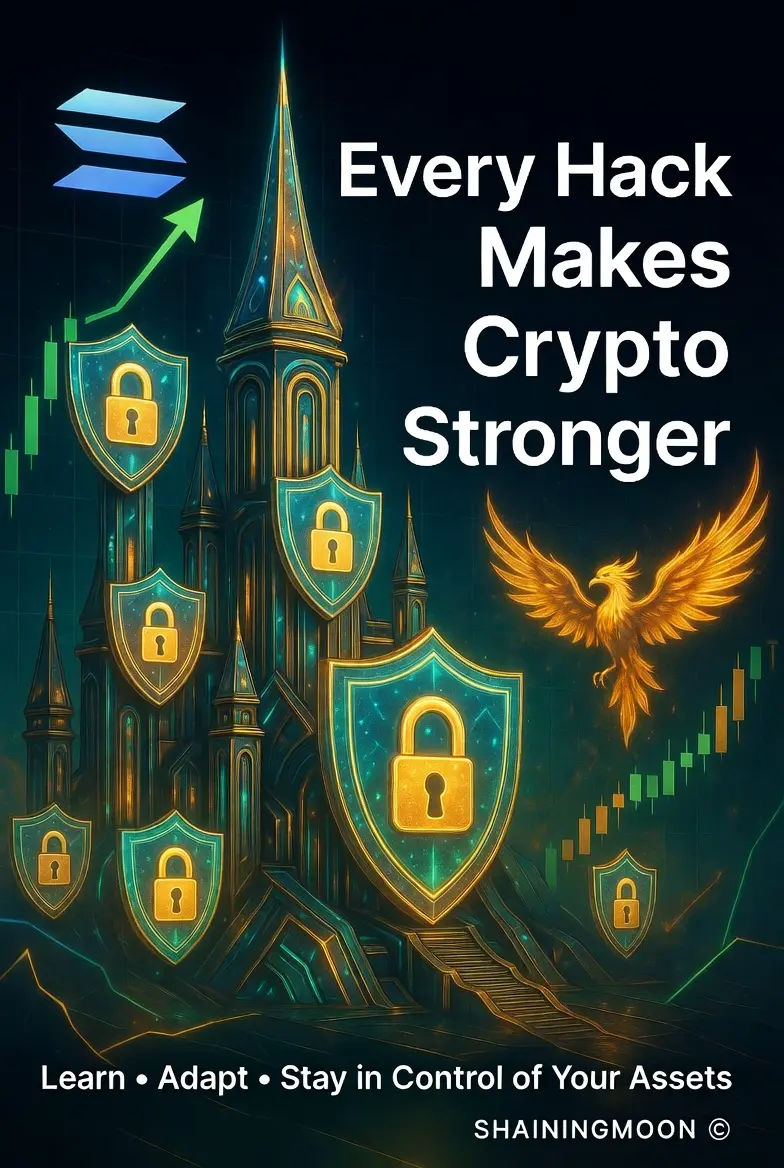
#DriftProtocolHacked The crypto space has once again been shaken by alarming news as Drift Protocol, a well-known decentralized trading platform, reportedly faced a security breach. Incidents like these remind us that while Web3 offers freedom and innovation, it also comes with serious risks that users must not ignore.
Drift Protocol, built on the high-speed Solana ecosystem, has gained popularity for its decentralized perpetual futures trading. With low fees and fast execution, it attracted a large number of traders seeking efficiency and control over their assets. However, even the most prom
DRIFT-9,04%
SOL-2,53%
ShainingMoonvip
#DriftProtocolHacked The crypto space has once again been shaken by alarming news as Drift Protocol, a well-known decentralized trading platform, reportedly faced a security breach. Incidents like these remind us that while Web3 offers freedom and innovation, it also comes with serious risks that users must not ignore.
Drift Protocol, built on the high-speed Solana ecosystem, has gained popularity for its decentralized perpetual futures trading. With low fees and fast execution, it attracted a large number of traders seeking efficiency and control over their assets. However, even the most promising platforms are not immune to vulnerabilities.
Early reports suggest that the exploit may be linked to a smart contract weakness or manipulation of the protocol’s liquidity mechanisms. While the full technical details are still unfolding, this situation highlights a recurring issue in decentralized finance—security is only as strong as the weakest line of code.
The immediate impact of such hacks is usually panic selling, liquidity withdrawal, and a drop in token value. Traders rush to secure their funds, and trust in the platform takes a major hit. In the broader market, events like this can create temporary bearish sentiment, especially among retail investors who are already cautious due to recent volatility.
However, it is important to look beyond the fear and understand the bigger picture. Every major hack in crypto history—from Mt. Gox to FTX—has ultimately pushed the industry toward better security standards, stricter audits, and improved transparency. While painful, these incidents often act as catalysts for long-term growth and maturity.
For users, this is a wake-up call. Never keep all your funds on a single platform. Always use hardware wallets when possible, verify smart contract interactions, and stay updated with official announcements. Diversification is not just about profit—it’s about survival in the crypto ecosystem.
For developers and platforms, the message is even clearer: security cannot be optional. Continuous auditing, bug bounty programs, and real-time monitoring must be prioritized. In a decentralized world, trust is earned through resilience and transparency, not promises.
The Drift Protocol team is expected to release a detailed report soon, outlining the cause of the breach and steps being taken to mitigate losses. The community will be watching closely, as the response to this crisis will determine whether the platform can regain its credibility.
In conclusion, while the incident is concerning, it is not the end of the road. Crypto has survived countless challenges and emerged stronger each time. The key lies in learning, adapting, and building a safer ecosystem for everyone.
Stay alert. Stay informed. And most importantly, stay in control of your assets.
SHAININGMOON 🚀
repost-content-media
  • Reward
  • Comment
  • Repost
  • Share
#PreciousMetalsPullBackUnderPressure
PreciousMetalsPullBackUnderPressure
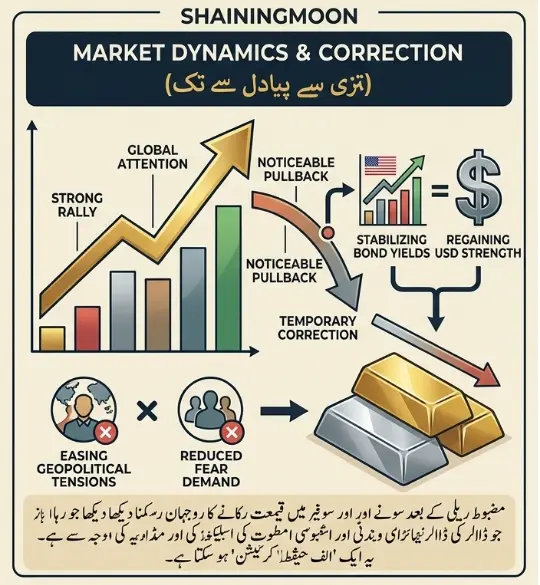
After a strong rally that captured global attention, precious metals are now facing a noticeable pullback, raising critical questions for investors and traders alike. Gold and silver, often seen as safe-haven assets, are experiencing downward pressure as macroeconomic dynamics begin to shift.
The recent decline comes as bond yields stabilize and the US dollar regains strength. Historically, a stronger dollar tends to weigh on gold and silver prices, making them more expensive for international buyers. At the same time, e
ShainingMoonvip
#PreciousMetalsPullBackUnderPressure
PreciousMetalsPullBackUnderPressure
After a strong rally that captured global attention, precious metals are now facing a noticeable pullback, raising critical questions for investors and traders alike. Gold and silver, often seen as safe-haven assets, are experiencing downward pressure as macroeconomic dynamics begin to shift.
The recent decline comes as bond yields stabilize and the US dollar regains strength. Historically, a stronger dollar tends to weigh on gold and silver prices, making them more expensive for international buyers. At the same time, easing geopolitical tensions and reduced fear-driven demand are also contributing to the cooling momentum.
However, this pullback should not be mistaken for a long-term bearish reversal. In fact, many analysts view this phase as a healthy correction after an overextended rally. Market cycles often require consolidation before the next leg upward, especially in assets that have experienced rapid inflows.
Inflation expectations remain a key factor to watch. If inflation persists or central banks signal prolonged monetary tightening, precious metals could remain volatile in the short term. But on the flip side, any indication of economic slowdown or policy easing could quickly reignite bullish sentiment.
Silver, in particular, may show more volatility compared to gold due to its dual role as both a precious and industrial metal. Industrial demand fluctuations can amplify price swings, making it a high-risk, high-reward asset during uncertain periods.
For long-term investors, this dip might present a strategic accumulation opportunity. Dollar-cost averaging into gold and silver during periods of weakness has historically proven to be an effective approach for portfolio diversification and risk management.
In conclusion, while the current pullback reflects short-term pressure, the broader macroeconomic landscape still supports the relevance of precious metals in a diversified portfolio. Staying informed, managing risk, and maintaining a long-term perspective will be crucial in navigating this phase.
SHAININGMOON
repost-content-media
  • Reward
  • Comment
  • Repost
  • Share
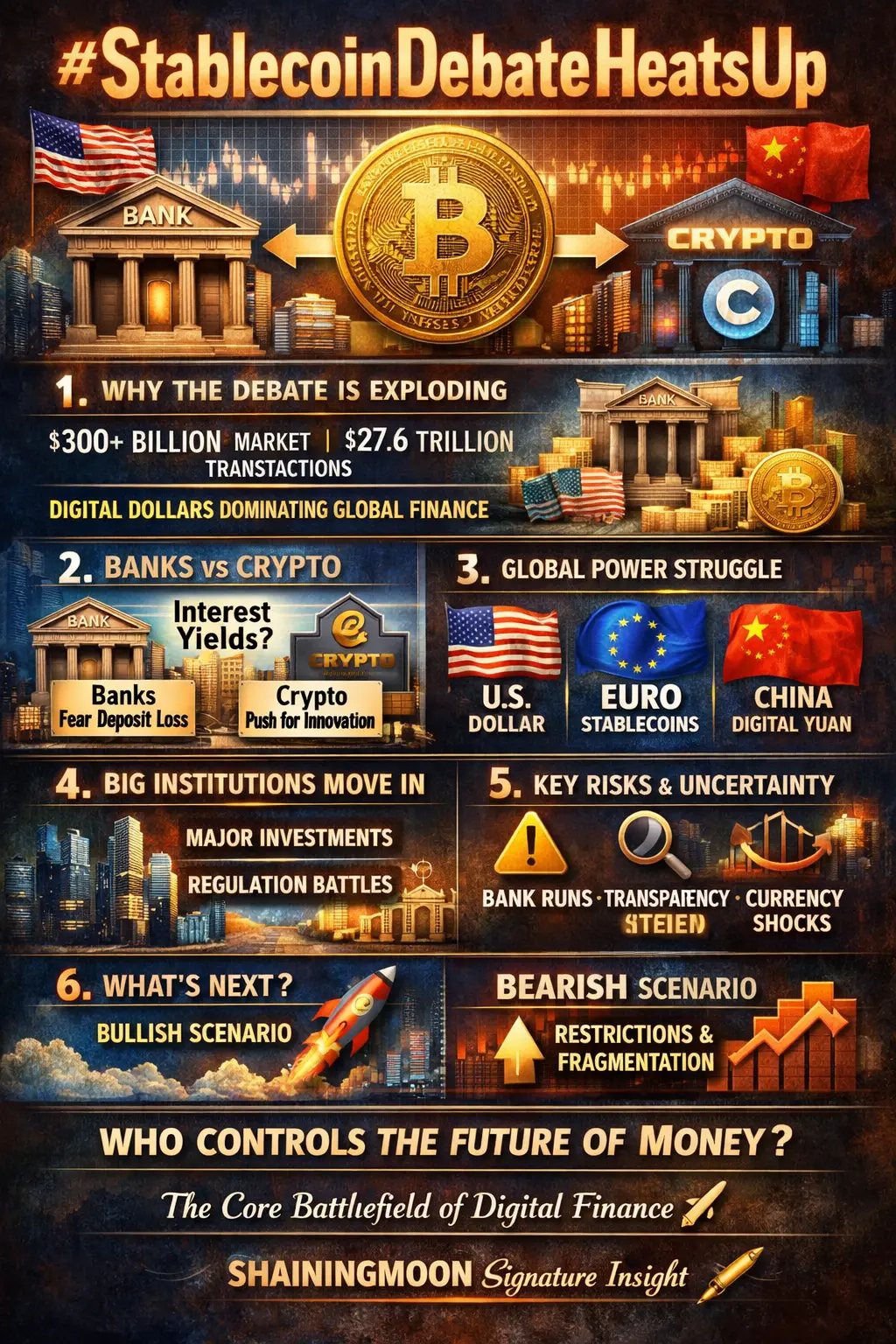
#StablecoinDebateHeatsUp
In 2026, the global financial landscape is witnessing a seismic shift, and stablecoins are at the epicenter of this transformation. What began merely as a digital asset designed to maintain value stability has now evolved into a central element in the tug-of-war between governments, traditional financial institutions, and the rapidly growing crypto ecosystem. The stablecoin debate has intensified, with regulatory frameworks, technological innovation, and geopolitical strategy converging to shape the future of global finance.
This comprehensive
ShainingMoonvip
#StablecoinDebateHeatsUp
In 2026, the global financial landscape is witnessing a seismic shift, and stablecoins are at the epicenter of this transformation. What began merely as a digital asset designed to maintain value stability has now evolved into a central element in the tug-of-war between governments, traditional financial institutions, and the rapidly growing crypto ecosystem. The stablecoin debate has intensified, with regulatory frameworks, technological innovation, and geopolitical strategy converging to shape the future of global finance.
This comprehensive post will explore every facet of the stablecoin phenomenon—its origins, market dynamics, regulatory challenges, risks, opportunities, and future trajectory. For investors, policymakers, and enthusiasts, understanding this landscape is crucial.
1. Introduction: The Rise of Stablecoins
Stablecoins are digital currencies designed to minimize price volatility by pegging their value to traditional assets such as the US dollar, euro, or commodities. Unlike traditional cryptocurrencies like Bitcoin or Ethereum, which are highly volatile, stablecoins aim to provide a reliable medium of exchange and store of value in the crypto ecosystem.
1.1 Market Size and Adoption
Over the past decade, stablecoins have transitioned from niche crypto experiments to mainstream financial instruments. Today, the stablecoin market exceeds $300 billion in total market capitalization, with transaction volumes surpassing $27 trillion annually—outpacing traditional payment networks in sheer scale. Most stablecoins, over 90%, are pegged to the US dollar, making them a de facto “digital dollar” used across global markets.
This unprecedented growth has caught the attention of financial regulators, central banks, and institutional investors. The emergence of stablecoins is no longer merely a crypto story; it is now a story about the future of money itself.
1.2 Stablecoins and the Digital Payment Revolution
The adoption of stablecoins is closely tied to the broader digital payment revolution. With e-commerce, cross-border payments, and DeFi platforms surging in popularity, stablecoins provide an efficient alternative to traditional banking systems. They allow instantaneous, low-fee transactions, making them ideal for remittances, international trade, and decentralized finance applications.
Moreover, stablecoins are increasingly being integrated into digital wallets, payment gateways, and financial services apps, creating a seamless bridge between fiat currencies and blockchain-based systems.
2. The Drivers Behind the Debate
The stablecoin debate is heating up due to several intersecting factors. At its core, the debate revolves around the role stablecoins play in the financial system and their impact on traditional banking, monetary policy, and global economic stability.
2.1 Financial Inclusion and Accessibility
Stablecoins offer a pathway to financial inclusion, particularly in emerging markets where traditional banking infrastructure is limited. Millions of people without bank accounts can access stablecoins via smartphones, providing digital access to payments, savings, and lending services.
However, this democratization of finance comes with risks. Without proper regulation, users are exposed to counterparty risk, fraud, and systemic shocks, raising questions about the balance between innovation and protection.
2.2 Banking Industry Concerns
Banks are particularly wary of stablecoins that generate yield. If individuals and institutions move large sums of money into stablecoins offering competitive returns, traditional banks could face deposit flight, undermining their ability to lend and manage liquidity.
Some key concerns include:
Loss of deposits, impacting bank lending capacity
Increased competition for consumer funds
Potential instability in the banking sector during financial stress
Banks argue that without proper regulatory oversight, stablecoins could disrupt the entire banking ecosystem.
2.3 Crypto Industry Perspective
On the other hand, the crypto industry views stablecoins as a necessary innovation. Yield-bearing stablecoins are attractive because they:
Provide liquidity to decentralized finance (DeFi) protocols
Facilitate global adoption of digital dollars
Offer alternatives to government-controlled fiat currencies
From this perspective, yield is not a threat but a tool for growth and financial empowerment.
3. Regulatory Battleground
One of the most significant aspects of the stablecoin debate is regulation. Governments worldwide are grappling with how to oversee stablecoins without stifling innovation.
3.1 United States
In the United States, policymakers are exploring frameworks that balance innovation with stability. The proposed Digital Asset Market Clarity Act aims to:
Define stablecoins as regulated financial instruments
Require transparency in reserve holdings
Limit certain high-risk activities such as yield generation
The goal is to protect consumers while maintaining the competitiveness of the US dollar in the global digital economy.
3.2 European Union
Europe has taken a different approach, exploring euro-backed stablecoins to reduce reliance on the US dollar. The European Central Bank (ECB) envisions stablecoins as a tool to enhance the autonomy of European payment systems. Regulatory proposals focus on:
Ensuring full backing of stablecoins with liquid reserves
Mandating strict operational and reporting standards
Allowing innovation while safeguarding monetary sovereignty
3.3 Asia and China
China has aggressively pushed its digital yuan, which includes features like programmable interest and full integration into its central banking system. The Chinese model demonstrates how stablecoins can become a geopolitical instrument, allowing nations to project influence through digital currency adoption.
4. Institutional Involvement
Stablecoins are no longer confined to crypto enthusiasts—they are attracting major institutional players.
4.1 Payments Giants
Companies like Mastercard and Visa are investing heavily in stablecoin infrastructure, seeing it as a way to:
Facilitate faster, cheaper cross-border payments
Integrate digital assets into existing payment networks
Stay competitive against blockchain-native competitors
4.2 Banks and Asset Managers
Some banks are experimenting with stablecoin issuance or partnerships, aiming to maintain relevance in a digital-first financial landscape. Asset managers are incorporating stablecoins into portfolios for:
Liquidity management
Hedging against fiat volatility
Exposure to digital asset ecosystems
4.3 Tech-Driven Finance Platforms
Decentralized finance platforms continue to innovate with stablecoins, offering lending, borrowing, and yield-generation products that challenge traditional finance models. These platforms leverage blockchain transparency and automation to provide highly efficient financial services.
5. Risks and Challenges
Despite their promise, stablecoins come with significant risks that fuel the debate.
5.1 Financial Stability Risk
If a large-scale run on stablecoins occurs, it could trigger systemic instability, especially for unregulated or partially backed coins. Sudden loss of confidence could lead to rapid liquidation of assets, impacting both crypto and fiat markets.
5.2 Transparency and Reserve Risk
Not all stablecoins maintain fully audited reserves. Without transparency, investors cannot verify that the digital assets are genuinely backed, creating potential for fraud and mismanagement.
5.3 Regulatory Fragmentation
Different jurisdictions have varying approaches to stablecoins, creating fragmented compliance requirements. Global companies and investors face challenges navigating these inconsistent frameworks.
5.4 Cybersecurity Threats
As digital assets, stablecoins are vulnerable to hacking, smart contract bugs, and network attacks. Ensuring robust cybersecurity is paramount to prevent massive financial losses.
6. Global Implications
Stablecoins are not just financial instruments—they are also geopolitical tools.
USD dominance: Dollar-pegged stablecoins strengthen US influence globally, enabling faster international transactions in USD without traditional banking infrastructure.
Euro competitiveness: Euro-backed stablecoins allow Europe to maintain sovereignty and reduce reliance on the dollar.
Digital Yuan: China’s state-backed digital currency offers programmable features, setting a precedent for other nations.
The adoption of stablecoins could reshape the global monetary order, creating new centers of influence and altering how countries manage monetary policy.
7. Future Scenarios
7.1 Bullish Scenario
In a bullish outcome, stablecoins become fully integrated into mainstream finance, combining:
Regulatory clarity
Institutional adoption
Global interoperability
Stablecoins could serve as a backbone for international payments, remittances, and decentralized finance, creating a more efficient, inclusive global financial system.
7.2 Bearish Scenario
Conversely, overly restrictive regulation or a collapse of major stablecoins could lead to:
Slowed innovation
Market fragmentation
Increased reliance on traditional banking and state-controlled digital currencies
In this scenario, the stablecoin revolution stalls, and crypto adoption becomes uneven across regions.
8. Strategic Takeaways
For investors, businesses, and policymakers, understanding the stablecoin debate is critical.
Investors: Focus on fully backed, transparent stablecoins with robust security and compliance measures.
Businesses: Explore stablecoins for payments, cross-border transactions, and liquidity management.
Policymakers: Craft balanced regulations that enable innovation while protecting consumers and financial stability.
9. Conclusion
The stablecoin debate is more than a technical or financial question—it is a battle for the future of money. Stablecoins sit at the intersection of technology, finance, and geopolitics, influencing how value is stored, transferred, and regulated worldwide.
As governments, banks, and crypto innovators continue to clash, the outcomes will determine the next era of global finance. Investors who understand the implications, risks, and opportunities today will be positioned to thrive in this rapidly evolving ecosystem.
✍️ SHAININGMOON Signature Insight
Stablecoins are no longer a peripheral player—they are central to the next financial revolution. They are shaping regulatory frameworks, institutional strategies, and global monetary power dynamics.
Smart stakeholders are not waiting—they are positioning early to leverage stablecoins’ transformative potential. The debate is heating up, and those who understand it today will lead in the finance of tomorrow. 🚀
repost-content-media
  • Reward
  • Comment
  • Repost
  • Share
#SpaceXSecretlyFilesForIPO
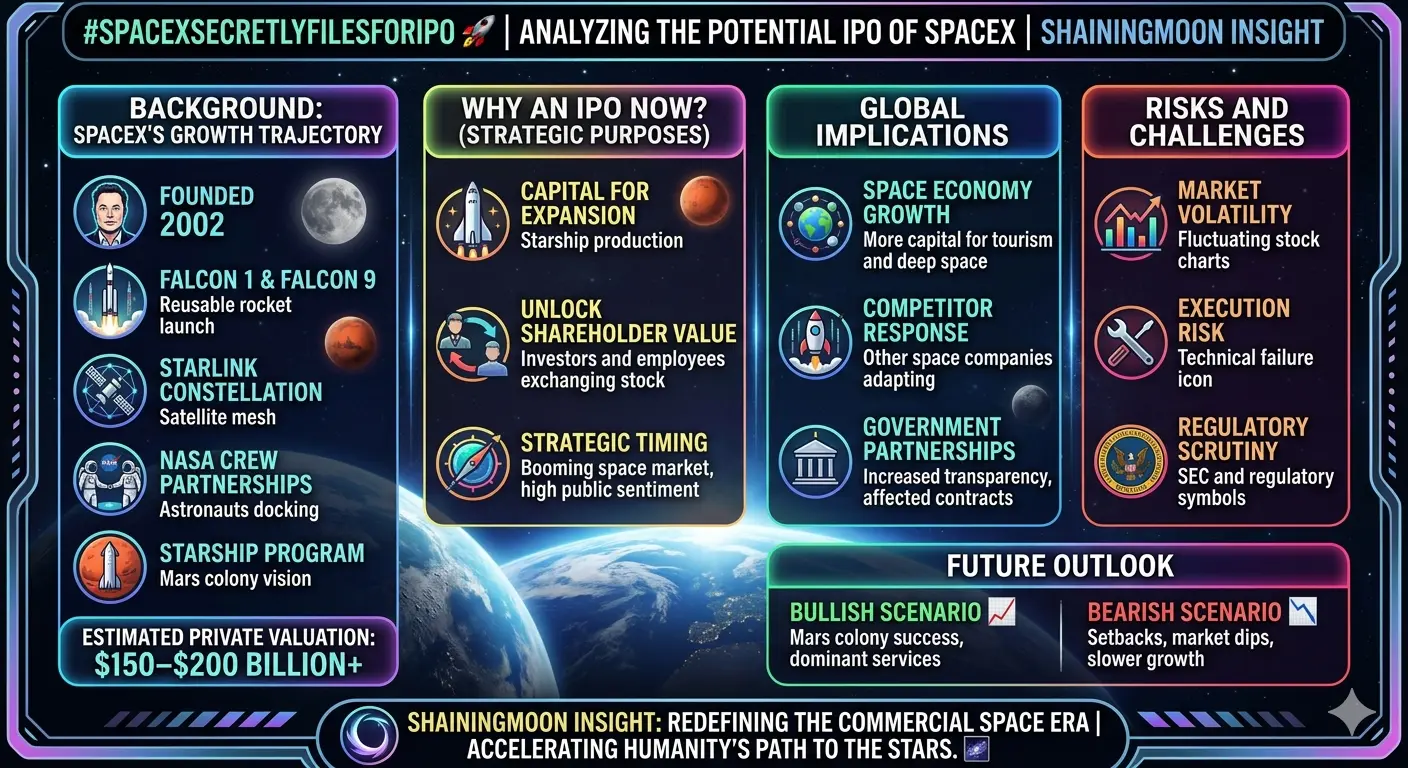
The space industry is buzzing as rumors surface that SpaceX may have quietly filed for an Initial Public Offering (IPO). This revelation, if true, could mark one of the most significant events in both aerospace and technology investment history, redefining how private space companies access public markets.
Here’s a deep dive into the implications and what investors, space enthusiasts, and market watchers should know:
🚀 1. Background: SpaceX’s Growth Trajectory
Founded in 2002 by Elon Musk, SpaceX has transformed from a bold startup into a space powerhouse. Key mile
ShainingMoonvip
#SpaceXSecretlyFilesForIPO
The space industry is buzzing as rumors surface that SpaceX may have quietly filed for an Initial Public Offering (IPO). This revelation, if true, could mark one of the most significant events in both aerospace and technology investment history, redefining how private space companies access public markets.
Here’s a deep dive into the implications and what investors, space enthusiasts, and market watchers should know:
🚀 1. Background: SpaceX’s Growth Trajectory
Founded in 2002 by Elon Musk, SpaceX has transformed from a bold startup into a space powerhouse. Key milestones include:
Falcon 1 & Falcon 9 launches establishing reusable rockets
Starlink constellation providing global broadband coverage
Crewed missions to the ISS through NASA partnerships
Ambitious Starship program aiming for Mars colonization
SpaceX has remained privately funded for over two decades, raising billions from investors including venture capital firms, private equity, and strategic partners. Estimates place the company’s private valuation at $150–$200 billion, making it one of the most valuable private companies in the world.
⚖️ 2. Why an IPO Now?
Filing for an IPO could serve multiple strategic purposes:
2.1 Capital for Expansion
Starship and Mars programs require hundreds of billions in long-term capital.
An IPO could provide liquidity for ongoing R&D, production, and satellite deployment.
2.2 Unlocking Shareholder Value
Early investors and employees could liquidate some holdings, while new public investors gain exposure.
This could also enhance talent retention by giving employees publicly tradable equity.
2.3 Strategic Timing
The commercial space market is booming, with NASA, the US Department of Defense, and private satellite operators spending heavily.
Public sentiment around space exploration is at an all-time high, providing a favorable market window.
🌍 3. Global Implications
If SpaceX goes public:
Space economy growth: More capital inflows could accelerate satellite internet, space tourism, and deep-space exploration.
Competitor response: Companies like Blue Origin, Rocket Lab, and Axiom Space may explore public offerings or strategic partnerships.
Government partnerships: Public funding could increase transparency, potentially affecting contracts with NASA, the Department of Defense, and international agencies.
💡 4. Risks and Challenges
Going public is not without challenges:
Market volatility: SpaceX’s valuation is massive, and the IPO could fluctuate based on public market sentiment.
Execution risk: Starship development, satellite launches, and crewed missions involve high technological risks.
Regulatory scrutiny: Public filings could increase attention from the SEC, government regulators, and international authorities.
🔮 5. Future Outlook
Bullish Scenario 📈
IPO successfully raises billions for expansion
Starship program accelerates Mars missions
Starlink and space services dominate global communications
Bearish Scenario 📉
Market volatility impacts share price
Technical or regulatory setbacks delay major projects
Investor confidence wavers, slowing expansion
✍️ SHAININGMOON Insight
SpaceX’s potential IPO represents more than a financial event—it’s a milestone for humanity’s commercial space era. Investors are not just buying shares; they are investing in the future of space exploration.
The space race has moved from nations to companies, and SpaceX is at the forefront. This IPO could redefine how private space ventures access capital and accelerate humanity’s path to the stars. 🌌
repost-content-media
  • Reward
  • Comment
  • Repost
  • Share
#AprilMarketOutlook
#AprilMarketOutlook
April is often one of the most interesting months in global markets.
👉 It sits at a critical junction:
First quarter earnings season begins
Macro data becomes clearer
Liquidity expectations shift
Risk sentiment recalibrates
This makes April a decision-making month for markets.
Let’s break down a deep, high-quality Gate-style outlook across macro, stocks, crypto, commodities, and sentiment 👇
🌍 1. The Macro Backdrop: A Transition Phase
Global markets are currently in a transition phase, not a clear trend.
Key conditions:
Inflation is still present but
BTC-1,62%
Vortex_Kingvip
#AprilMarketOutlook
#AprilMarketOutlook
April is often one of the most interesting months in global markets.
👉 It sits at a critical junction:
First quarter earnings season begins
Macro data becomes clearer
Liquidity expectations shift
Risk sentiment recalibrates
This makes April a decision-making month for markets.
Let’s break down a deep, high-quality Gate-style outlook across macro, stocks, crypto, commodities, and sentiment 👇
🌍 1. The Macro Backdrop: A Transition Phase
Global markets are currently in a transition phase, not a clear trend.
Key conditions:
Inflation is still present but moderating
Interest rates remain relatively high
Growth is slowing in some regions
Liquidity is tight but stable
👉 This creates a market environment of:
✔ Caution
✔ Rotation
✔ Volatility
Markets are trying to answer one question:
👉 “Are we entering recovery, or a slowdown?”
💵 2. Central Banks: The Biggest Influence
Monetary policy remains the most important driver.
Central banks are balancing:
Controlling inflation
Supporting economic growth
Current situation:
Rate cuts are being delayed
Policy remains restrictive
Liquidity is not expanding aggressively
👉 Impact on markets:
✔ Limits upside momentum
✔ Increases volatility
✔ Keeps risk appetite controlled
📉 3. Inflation: Cooling but Not Gone
Inflation is no longer exploding like before.
But:
👉 It is still above ideal targets
Key points:
Energy prices (including oil) can push inflation higher
Services inflation remains sticky
Wage growth is still a factor
👉 Result:
Central banks remain cautious
🛢️ 4. Oil & Commodities: Inflation Pressure
Oil prices are rising again, and that matters.
👉 Rising oil leads to:
Higher transportation costs
Increased production costs
Broader inflation pressure
Commodities often act as:
👉 Early signals of inflation trends
So if oil stays strong:
👉 Inflation could remain persistent longer
📊 5. Stock Market Outlook
Current situation:
Stock markets are:
Near key levels
Reacting to earnings
Sensitive to macro news
Key Drivers in April:
✔ Earnings reports
✔ Interest rate expectations
✔ Economic data
Possible scenarios:
🟢 Bullish Case
Strong earnings
Positive guidance
Soft economic landing
👉 Stocks continue upward
🔴 Bearish Case
Weak earnings
Slowing growth
Tight monetary policy
👉 Markets correct
🟡 Neutral Case
Mixed earnings
Sideways movement
High volatility
👉 Range-bound market
🪙 6. Crypto Market Outlook
Crypto is highly sensitive to macro conditions.
Key factors:
Liquidity conditions
Risk sentiment
Institutional flows
Current environment:
Volatility remains high
Liquidity is limited
Market is rotating
Key signals to watch:
✔ Bitcoin dominance
✔ ETF inflows
✔ Stablecoin supply
✔ Funding rates
Outlook:
👉 Crypto may:
Consolidate
Experience sharp swings
Prepare for the next major move
🟡 7. Gold & Safe-Haven Assets
Gold plays a key role during uncertainty.
👉 Gold benefits when:
Inflation is high
Interest rates stabilize
Geopolitical risks rise
Current outlook:
Gold remains supported due to:
✔ Inflation concerns
✔ Global uncertainty
✔ Central bank buying
👉 It acts as a hedge against instability
🌐 8. Geopolitics: A Constant Risk Factor
Geopolitical tensions are still influencing markets.
Effects include:
Oil price volatility
Risk-off sentiment
Sudden market reactions
👉 Markets are highly sensitive to:
Conflict developments
Trade tensions
Policy shifts
💼 9. Earnings Season: A Major Catalyst
April marks the beginning of major earnings releases.
👉 This is crucial because:
It reveals real business health
It sets market direction
It impacts investor confidence
What to watch:
✔ Revenue growth
✔ Profit margins
✔ Forward guidance
✔ Sector performance
🔄 10. Sector Rotation in Play
Markets are rotating between sectors:
Growth → Value
Tech → Energy
High risk → Defensive
👉 This rotation reflects uncertainty
Investors are adjusting:
Risk exposure
Portfolio allocation
⚠️ 11. Volatility: A Defining Feature
April is expected to remain volatile.
Reasons:
Conflicting macro signals
Earnings uncertainty
Liquidity constraints
👉 Volatility creates:
✔ Trading opportunities
✔ Risk for weak hands
✔ Advantage for prepared investors
🧠 12. Investor Sentiment
Sentiment is mixed:
Fear still exists
But optimism is slowly returning
This creates:
👉 An unstable equilibrium
Markets can move quickly in either direction.
📊 13. Liquidity Conditions
Liquidity is the backbone of markets.
Currently:
Not expanding aggressively
Not collapsing either
👉 This leads to:
✔ Controlled movements
✔ Sudden spikes or drops
✔ Lack of strong trends
🚀 14. Key Catalysts to Watch in April
📌 1. Economic Data
Inflation reports
Employment data
Growth indicators
📌 2. Central Bank Statements
Rate policy signals
Forward guidance
📌 3. Earnings Reports
Corporate performance
Market sentiment shifts
📌 4. Geopolitical Developments
Conflict escalation or resolution
Trade and supply chain changes
⚠️ 15. Risks in April
🚨 1. Sudden Macro Shocks
Unexpected news can move markets sharply
🚨 2. Inflation Reacceleration
Energy prices could push inflation higher
🚨 3. Liquidity Crunch
Tighter financial conditions can slow markets
🚨 4. Overvaluation in Some Assets
Correction risks remain
🧠 16. Smart Strategy for April
❌ Avoid:
Overleveraging
Emotional trading
Ignoring macro signals
✅ Focus on:
Risk management
Diversification
Patience
Data-driven decisions
🔥 Final Insight
April is not a simple month.
👉 It is a decision point
Markets are asking:
👉 “Where do we go next?”
🧾 Final Conclusion
April 2026 will likely be shaped by:
✔ Macro uncertainty
✔ Earnings performance
✔ Liquidity conditions
✔ Geopolitical risks
Markets may not move in a straight line.
👉 Instead, expect:
Volatility
Rotation
Uncertainty
📌 Bottom Line
April is a high-stakes month for markets.
👉 Not because of one event…
👉 But because of convergence of multiple forces
The outcome of April may set the tone for the coming months.
VORTEX KING
VORTEX KING
repost-content-media
  • Reward
  • Comment
  • Repost
  • Share
#GateSquareAprilPostingChallenge
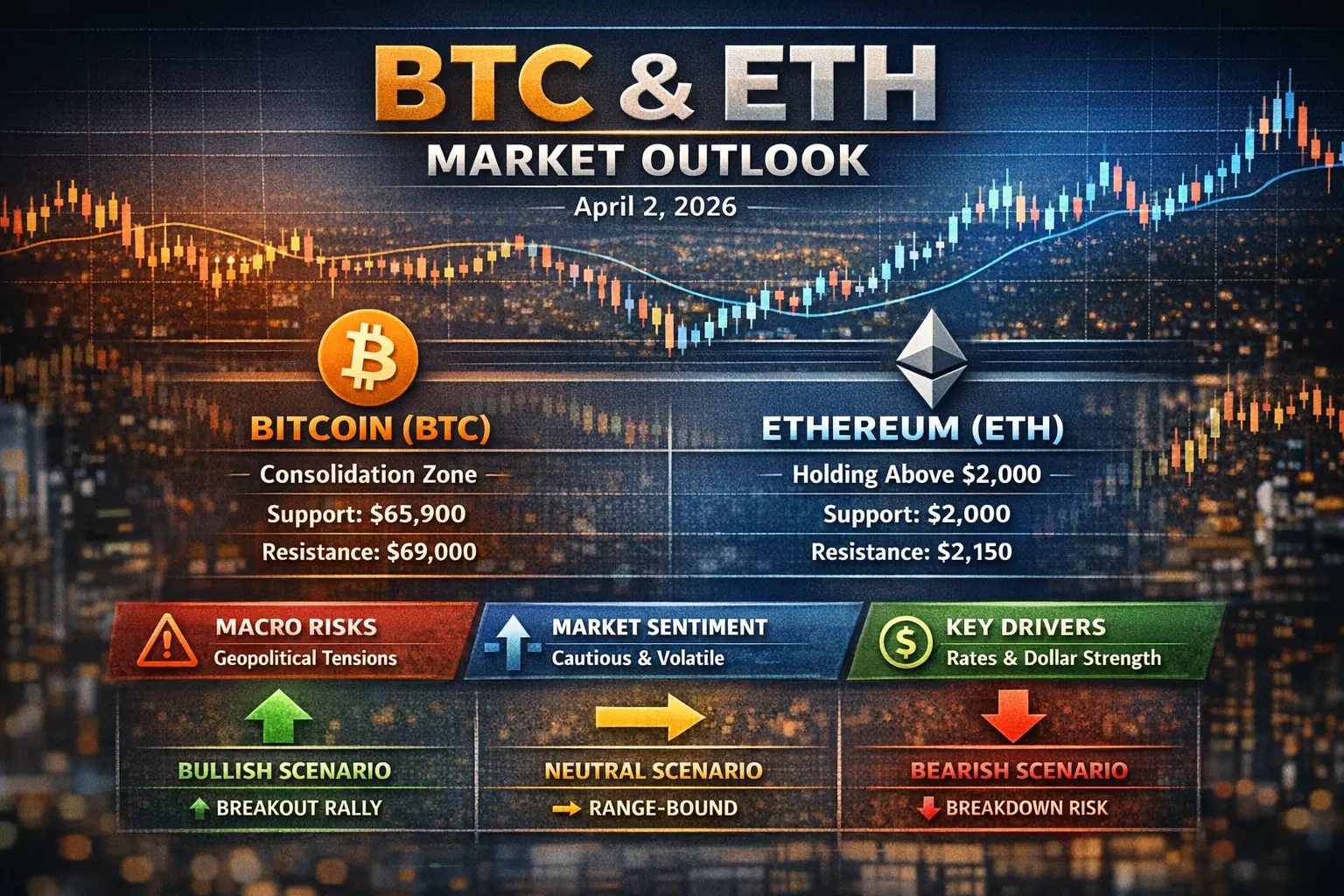
📊 BTC & ETH Market Outlook — April 2, 2026
📌 Current Market Structure
🔹 Bitcoin (BTC)
Bitcoin is currently trading in a volatile consolidation zone after failing to break above key resistance levels. The price has recently hovered around the $68,000 region, with downside pressure emerging due to risk-off sentiment across global markets.
BTC is no longer in a strong trend phase — instead, it is moving in a range-bound structure, where buyers and sellers are actively competing for control.
🔹 Ethereum (ETH)
Ethereum is showing relative strength compared to Bi
BTC-1,62%
ETH-3,71%
Vortex_Kingvip
#GateSquareAprilPostingChallenge
📊 BTC & ETH Market Outlook — April 2, 2026
📌 Current Market Structure
🔹 Bitcoin (BTC)
Bitcoin is currently trading in a volatile consolidation zone after failing to break above key resistance levels. The price has recently hovered around the $68,000 region, with downside pressure emerging due to risk-off sentiment across global markets.
BTC is no longer in a strong trend phase — instead, it is moving in a range-bound structure, where buyers and sellers are actively competing for control.
🔹 Ethereum (ETH)
Ethereum is showing relative strength compared to Bitcoin, holding above the critical $2,000 psychological level.
While ETH is also in consolidation, it is demonstrating better support retention, suggesting slightly stronger underlying demand compared to BTC in the short term.
📉 Market Sentiment Overview
The broader crypto market is currently influenced by:
Global geopolitical uncertainty
Risk-off behavior in equities
Tight liquidity conditions
Increased volatility in commodities like oil
This environment creates pressure on risk assets, including crypto.
Investor sentiment is leaning toward caution, with traders reducing exposure and taking profits after recent volatility.
🧠 Bitcoin (BTC) Technical Outlook
🔻 Key Resistance Levels
Around the $69,000 – $72,000 range
This zone has acted as a strong rejection area multiple times
A confirmed breakout above this level could trigger a bullish continuation
🔺 Key Support Levels
Immediate support near $65,900
Stronger support around $64,000
Losing these levels could lead to accelerated downside pressure
📊 Market Structure
BTC is currently in a consolidation phase
No clear bullish or bearish trend dominance
Price action suggests compression before expansion
🔮 BTC Outlook
Short-term: Neutral to slightly bearish
Breakout scenario: Bullish continuation if resistance breaks
Breakdown scenario: Deeper correction if support fails
🧠 Ethereum (ETH) Technical Outlook
🔻 Key Resistance Levels
Around $2,100 – $2,150
This area represents a short-term ceiling
🔺 Key Support Levels
Strong support near $2,000
Critical support zone between $1,950 – $1,800
📊 Market Structure
ETH is showing higher stability than BTC
Price remains above key moving averages
Structure suggests accumulation rather than distribution
🔮 ETH Outlook
Short-term: Slightly bullish to neutral
ETH could outperform BTC if market stabilizes
Breakdown below $1,800 would shift sentiment bearish
🌍 Macro & External Drivers
🔥 1. Risk Sentiment
Crypto is currently behaving like a high-risk asset class, meaning:
When markets are uncertain → crypto declines
When liquidity improves → crypto rallies
🛢 2. Oil Prices & Inflation
Rising oil prices are:
Increasing inflation expectations
Pressuring central bank policies
Reducing risk appetite globally
💵 3. U.S. Dollar Strength
A stronger dollar typically:
Weakens crypto prices
Pulls capital away from emerging and speculative assets
🏦 4. Interest Rate Expectations
High interest rates reduce liquidity
Lower rates support crypto markets
Current expectations remain a major price driver
📊 Institutional & Market Dynamics
Institutional participation is still present but cautious
Large players are waiting for clear macro direction
Spot demand remains weaker compared to previous bullish phases
Crypto ETFs, custody solutions, and institutional adoption continue to support the long-term structure, but short-term flows are driven by macro conditions.
⚖️ BTC vs ETH Comparison
Factor
Bitcoin (BTC)
Ethereum (ETH)
Trend
Consolidation
Slight strength
Volatility
Moderate
Moderate
Structure
Neutral
Slightly bullish
Key Zone
Near resistance
Holding support
Momentum
Weak
Stable
Conclusion:
Ethereum currently shows relative strength, while Bitcoin is acting as the market leader but facing resistance pressure.
📈 Possible Scenarios Ahead
🟢 Bullish Scenario
BTC breaks above resistance with strong volume
ETH follows with upward momentum
Improved global liquidity
Risk sentiment turns positive
🟡 Neutral Scenario
Market remains range-bound
BTC trades between key support and resistance
ETH continues sideways consolidation
Low volatility environment
🔴 Bearish Scenario
BTC loses support levels
ETH breaks below $1,800
Risk-off sentiment intensifies
Deeper correction across crypto markets
📌 Key Takeaways
Crypto market is currently in a consolidation phase
BTC is facing resistance while ETH is holding stronger
Macro conditions are dominating price action
Volatility is expected to remain high
Breakouts or breakdowns will define next major move
🧾 Final Outlook
The market is at a critical decision point.
Bitcoin and Ethereum are both trapped between strong support and resistance zones, and the next move will likely be driven by:
Global macro developments
Liquidity conditions
Investor sentiment shifts
Institutional capital flows
Until a clear breakout occurs, traders should expect range-bound movement with sharp volatility spikes.
repost-content-media
  • Reward
  • Comment
  • Repost
  • Share
#GateSquareAprilPostingChallenge
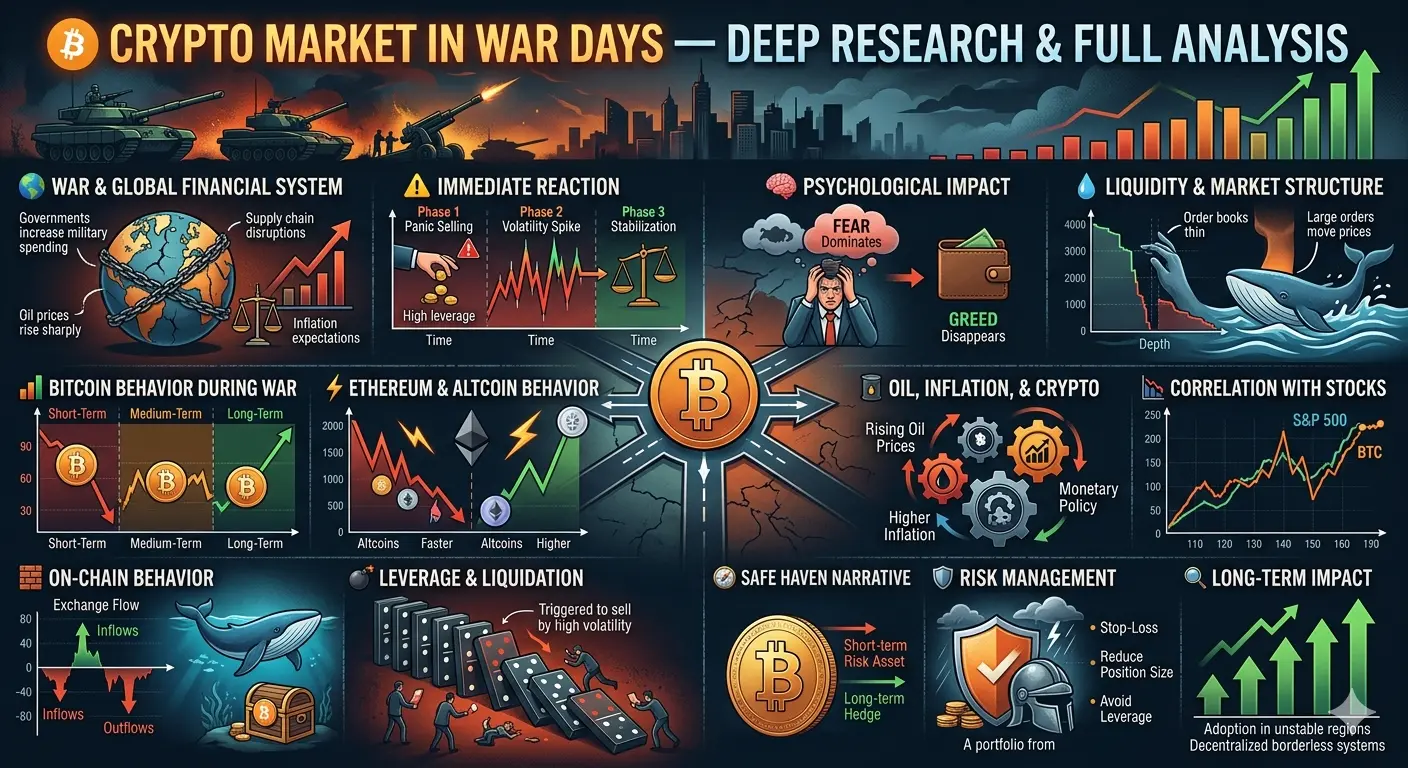
The crypto market behaves very differently during war or geopolitical tension compared to normal market conditions. War creates uncertainty, fear, liquidity stress, and rapid capital movement. These forces directly impact assets like Bitcoin and Ethereum, as well as the entire altcoin ecosystem.
This analysis explains how war shapes the crypto market from multiple angles: macroeconomics, liquidity, investor psychology, technical behavior, and long-term structural effects.
1. 🌍 War and the Global Financial System
War is not just a political event — it is a fin
BTC-1,62%
ETH-3,71%
Vortex_Kingvip
#GateSquareAprilPostingChallenge
The crypto market behaves very differently during war or geopolitical tension compared to normal market conditions. War creates uncertainty, fear, liquidity stress, and rapid capital movement. These forces directly impact assets like Bitcoin and Ethereum, as well as the entire altcoin ecosystem.
This analysis explains how war shapes the crypto market from multiple angles: macroeconomics, liquidity, investor psychology, technical behavior, and long-term structural effects.
1. 🌍 War and the Global Financial System
War is not just a political event — it is a financial shock.
When conflict starts or escalates:
Governments increase military spending
Supply chains get disrupted
Oil prices rise sharply
Inflation expectations increase
Global risk perception changes
All of this creates uncertainty in financial markets.
Crypto, being a global and highly speculative asset class, reacts quickly to these changes.
2. ⚠️ Immediate Reaction of Crypto Markets
When war news breaks, crypto markets usually react in the following sequence:
Phase 1: Panic Selling
Traders react emotionally
High leverage positions get liquidated
Rapid price drops occur
Liquidity disappears temporarily
Phase 2: Volatility Spike
Price swings become extreme
Both upward and downward wicks appear
Stop-losses are triggered frequently
Phase 3: Stabilization or Continuation
Market decides direction based on:
War escalation or de-escalation
Central bank reactions
Market liquidity conditions
3. 🧠 Psychological Impact on Traders
War creates one of the strongest emotional reactions in markets.
Fear Dominates:
Panic selling increases
Retail investors exit early
Social media sentiment turns negative
Greed Disappears Temporarily:
Risk appetite drops
Investors prefer stable assets
Capital shifts to safer instruments
Uncertainty:
Traders are unsure about future outcomes
This leads to indecision and sideways trading
Psychology plays a major role in short-term crypto movements during conflict.
4. 💧 Liquidity and Market Structure
Liquidity is one of the most important factors during war.
What Happens to Liquidity:
Market depth decreases
Order books become thin
Large orders move prices significantly
Why This Matters:
Small trades can create large price movements
Whales can manipulate markets more easily
Volatility increases sharply
Crypto markets are already less liquid than traditional markets, and war makes this even more extreme.
5. 📊 Bitcoin Behavior During War
Bitcoin is the most important asset to analyze during war.
Short-Term Behavior:
Initial drop after war headlines
Strong intraday volatility
Liquidations of leveraged traders
Medium-Term Behavior:
Range-bound movement
Market tries to find equilibrium
Accumulation by smart money
Long-Term Behavior:
Depends on macro liquidity, not war alone
Historically recovers after panic phases
Bitcoin often behaves like a risk asset in the short term but can act as a macro hedge in the long term.
6. ⚡ Ethereum and Altcoin Behavior
Ethereum and altcoins behave differently from Bitcoin during war.
Key Observations:
More volatile than Bitcoin
Higher downside during panic
Stronger upside during recoveries
Why Altcoins React More:
Lower liquidity
Higher speculation
Retail-driven trading
Less institutional support
During war, investors usually:
Sell altcoins first
Then rebalance into Bitcoin
Or exit to stable assets
7. 🛢️ Oil Prices, Inflation, and Crypto
War often leads to rising oil prices.
Effects:
Increased transportation and production costs
Inflation expectations rise
Central banks may tighten monetary policy
Impact on Crypto:
Higher inflation can increase interest in Bitcoin as a hedge
But tighter monetary policy reduces liquidity, which is bearish
This creates a conflict between bullish and bearish forces in the market.
8. 🏦 Central Banks and Monetary Policy
Central banks play a huge role during war.
Possible Responses:
Increasing liquidity (printing money)
Lowering interest rates
Providing economic support
OR
Tightening policy to control inflation
Impact on Crypto:
More liquidity → bullish for crypto
Less liquidity → bearish for crypto
War often forces central banks into difficult decisions.
9. 📉 Correlation With Stock Markets
Crypto is increasingly correlated with traditional markets.
During War:
Stock markets usually fall
Risk assets decline together
Crypto follows similar patterns
However:
Crypto reacts faster
Crypto recovers faster
Crypto has 24/7 trading advantage
This makes crypto more volatile but also more dynamic.
10. 🧱 On-Chain Behavior During War
On-chain data gives powerful insights into market behavior.
Exchange Flows:
Outflows increase during accumulation
Inflows increase during panic selling
Long-Term Holders:
Continue holding or accumulate
Rarely sell during short-term fear
Whale Activity:
Large players often buy during fear
They accumulate during dips
War often creates opportunities for smart money accumulation.
11. 💣 Leverage and Liquidation Cascades
Crypto markets are highly leveraged.
During war:
Volatility triggers liquidations
Forced selling amplifies price drops
Liquidation cascades can crash prices rapidly
This is one of the biggest risks in crypto trading during conflict.
12. 🧭 Safe Haven Narrative vs Reality
There is a debate: Is crypto a safe haven during war?
Reality:
Short term: Not a safe haven
Medium term: Mixed behavior
Long term: Potential store of value
Why Not Immediate Safe Haven:
High volatility
Strong correlation with risk assets
Speculative trading dominance
Why It Still Has Potential:
Decentralized
Borderless
Independent of governments
The narrative is evolving but not fully realized yet.
13. 🔄 Market Cycles During War
Crypto markets still follow cycles even during war.
Cycle Stages:
Accumulation (quiet period)
Expansion (bullish move)
Distribution (profit-taking)
Decline (bear phase)
War can:
Accelerate the decline phase
Delay the expansion phase
Create fake breakouts
Understanding cycles is critical during uncertain times.
14. 🛡️ Risk Management in War Markets
Trading during war requires strict discipline.
Key Rules:
Avoid over-leverage
Use stop-loss orders
Reduce position size
Stay cash-heavy when uncertain
Strategy Focus:
Preserve capital first
Trade only high-probability setups
Avoid emotional decisions
War markets punish overconfidence.
15. 📈 Institutional Behavior During War
Institutions behave differently from retail traders.
Actions:
Accumulate during fear
Reduce exposure before extreme risk
Use hedging strategies
Institutions often:
Provide liquidity
Stabilize markets over time
Influence long-term direction
Their involvement has made crypto more resilient than in earlier years.
16. 🔍 Long-Term Impact of War on Crypto
War does not permanently damage crypto markets.
Long-Term Effects:
Increases global awareness of decentralized assets
Highlights need for borderless financial systems
Encourages adoption in unstable regions
Structural Growth:
More institutional participation
Better infrastructure
Improved market maturity
Crypto continues to evolve regardless of geopolitical events.
17. 📊 Bullish and Bearish Scenarios
🟢 Bullish Scenario:
Liquidity injection by governments
End or de-escalation of war
Increased adoption
Strong institutional inflows
🔴 Bearish Scenario:
Prolonged war escalation
Global economic slowdown
Tight monetary policy
Mass liquidation events
Markets will follow the dominant macro trend.
18. 🧠 Final Thoughts
Crypto markets during war are driven by:
Fear and uncertainty
Liquidity changes
Investor psychology
Macroeconomic forces
In the short term, war creates volatility and fear.
In the long term, it often creates opportunities.
Bitcoin and Ethereum may drop, range, or spike unpredictably during conflict. However, the underlying trend of adoption, institutional participation, and technological growth continues.
The key principle is simple:
War creates chaos, but markets reward discipline, patience, and strategy.
repost-content-media
  • Reward
  • Comment
  • Repost
  • Share
#Ethereum Pectra Upgrade
Ethereum Pectra Upgrade: What You Need to Know
The Ethereum network is preparing for another major milestone — the Pectra Upgrade, expected to launch by Q4 2024 or early 2025. This upgrade brings significant enhancements that will shape Ethereum’s future performance and usability.
---
What is the Pectra Upgrade?
The Pectra Upgrade is a combined implementation of:
Prague (execution layer)
Electra (consensus layer)
It’s designed to improve wallet functionality, developer flexibility, and staking efficiency on the Ethereum blockchain.
---
Key Features of Pectra:
1. EIP-3
ETH-3,71%
MAJOR2,58%
OVER0,72%
  • Reward
  • 1
  • Repost
  • Share
Abassivip:
Bull Run 🐂
#IP
#IP
🚀 [New User Airdrop]: Register & Get Up to $100 IP Airdrop! 🎉
Great news for crypto enthusiasts! Gate.io is offering an exciting airdrop opportunity for new users. Simply register and claim up to $100 worth of IP tokens as a welcome reward!
🔹 How to Participate?
1️⃣ Sign Up on Gate.io as a new user.
2️⃣ Complete Identity Verification (KYC) to be eligible.
3️⃣ Claim Your Airdrop Up to $100 in IP tokens directly credited to your account!
🔹 Why Join This Airdrop?
✅ Easy Participation Just register & verify!
✅ Exclusive Reward Get free crypto without investment!
✅ Secure & Reliable
IP-1,3%
AIRDROP-7,92%
UP-4,23%
WHY-5,83%
  • Reward
  • 1
  • Repost
  • Share
Abassivip:
Bull Run 🐂
  • Pin