BlackRiderCryptoLord

vip
Age 0.5 Yıl
Peak Tier 0
No content yet
#BuyTheDipOrWaitNow?
🚨 Bitcoin Market Deep Dive – Buy the Dip or Wait? Full Analysis (March 2, 2026)
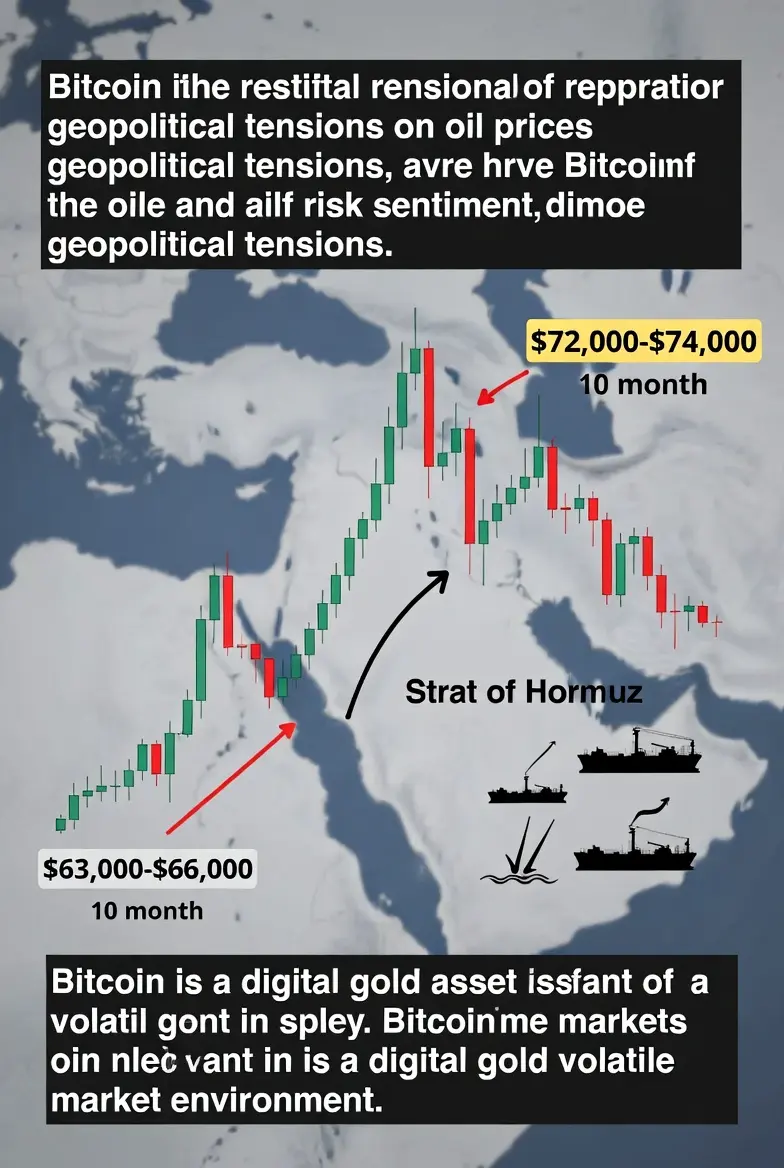
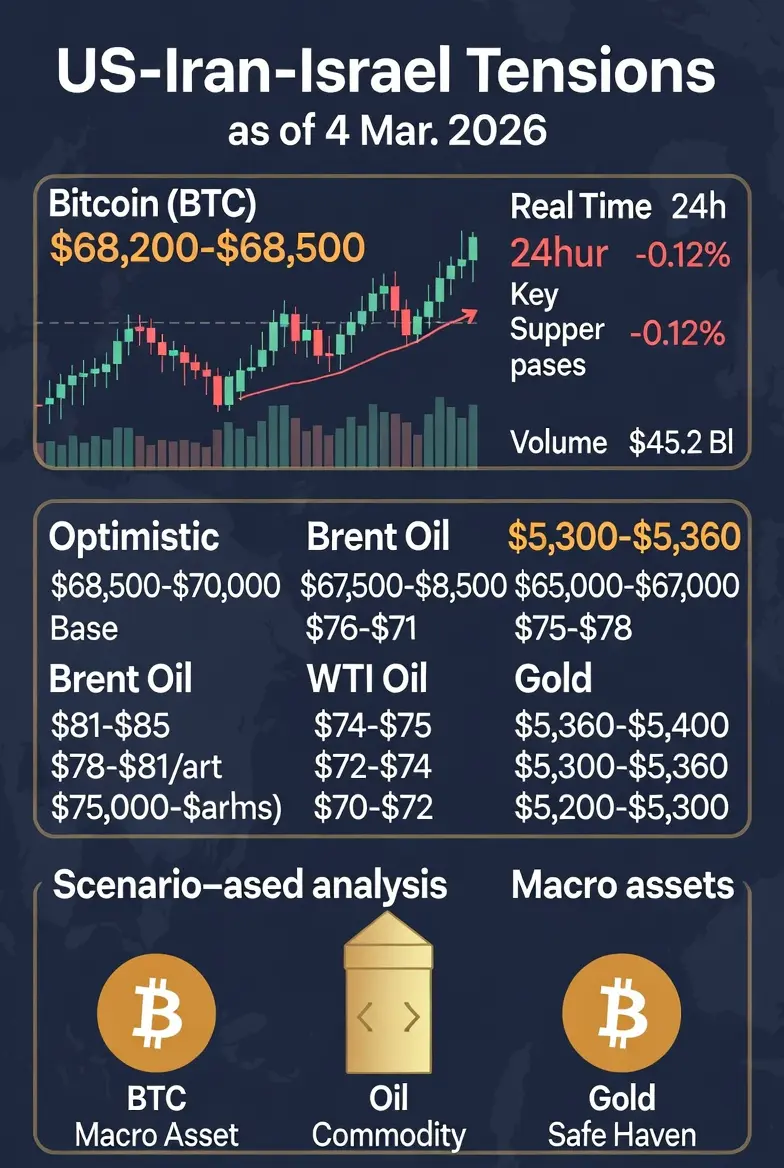
Bitcoin has been on a volatile ride over the past week. After geopolitical tensions between the U.S., Israel, and Iran triggered a flash crash to ~$63,000, BTC rebounded sharply toward $68,000. As of March 2, 2026, Bitcoin trades around $66,400 USDT, reflecting ongoing short-term volatility.
The central question for traders and investors: Is this the dip to buy aggressively, or should you wait for confirmation above key resistance?
1️⃣ Current Market Overview
Price: ~$66,400
24h Movement: ~-
BTC4,09%
ETH3,16%
HighAmbitionvip
#BuyTheDipOrWaitNow?
🚨 Bitcoin Market Deep Dive – Buy the Dip or Wait? Full Analysis (March 2, 2026)
Bitcoin has been on a volatile ride over the past week. After geopolitical tensions between the U.S., Israel, and Iran triggered a flash crash to ~$63,000, BTC rebounded sharply toward $68,000. As of March 2, 2026, Bitcoin trades around $66,400 USDT, reflecting ongoing short-term volatility.
The central question for traders and investors: Is this the dip to buy aggressively, or should you wait for confirmation above key resistance?
1️⃣ Current Market Overview
Price: ~$66,400
24h Movement: ~-0.8%
Market Cap: ~$1.32–1.33T
24h Volume: $38–44B (elevated)
Trend: Post-dip relief rally, short-term momentum bullish, but daily/weekly trend still cautious.
Macro & Geopolitical Context:
Iran conflict caused panic sell-off, recovered quickly.
Fed policy and equity rotations keep BTC correlated to risk sentiment.
High volatility persists → sudden dips or spikes remain possible.
2️⃣ Technical Landscape
Support Levels:
$66,000 → recent bounce
$63,000–$64,000 → flash low + psychological
$60,000 → major bear target if broken
Resistance Levels:
$68,200–$68,500 → recent highs + short squeeze trigger
$70,000 → psychological/prior distribution zone
Trend Observations:
Short-term (15-min/1h charts): higher lows forming → bullish relief rally.
Daily/Weekly: downtrend channel from $79K persists → caution for traders.
Volatility: Bollinger Bands compressed → breakout imminent (up or down).
3️⃣ Institutional Flows & Whale Activity
ETF Inflows:
Positive reversal after 5 weeks of outflows (~$3.8B total loss).
Week ending March 2: ~$787M–$875M inflows.
Leaders: BlackRock IBIT ($297–$503M), Fidelity, Bitwise, Grayscale ($89M).
Impact: ETF inflows translate to real spot BTC buying → supports price.
Derivatives & Leverage:
Heavy short stacking vs tiny long positions near $66K.
$42M+ 40x longs → potential short squeeze if price rises.
Whale & On-Chain Behavior:
Long-term holders quietly accumulating.
Exchange reserves declining → accumulation.
Social sentiment moderately bullish (~64%).
4️⃣ Buy the Dip vs Wait – Clear Rules
Here’s when you should buy vs wait, explained simply:
🔹 Buy the Dip Now
Condition: BTC is near strong support, oversold RSI, ETF inflows active.
Current Scenario:
Price ~$66,400, just above $66,000 support.
Momentum is rebounding from flash low $63K.
Institutional flows are positive → real buying pressure.
Why Buy:
Relief rallies post-capitulation historically strong.
Early accumulation reduces average cost.
Short-term momentum favors upside if support holds.
Risk:
Price can still fake out → retest $63K–$64K if macro/geopolitics worsen.
High leverage → volatile swings possible.
🔹 Wait for Confirmation
Condition: BTC needs to break and hold key resistance with strong volume.
Current Scenario:
Resistance $68,200–$68,500.
Confirmation above this range signals potential short squeeze and trend reversal.
Why Wait:
Avoid FOMO or “catching a falling knife”.
Protects against deeper macro-driven dips.
Entry after confirmation usually safer with lower risk of immediate loss.
Risk:
May miss bottom → price could surge 5–10% quickly before breakout.
Entry point may be higher.
🔹 Balanced Approach – Dollar-Cost Averaging (DCA)
Buy in tranches: 25% now (~$66,400), 25% if dips $65–66K, 25% on breakout $68K, remaining after confirmation.
Smooths volatility and reduces emotional decisions.
Most suitable for long-term holders: dip is noise in the broader bull cycle.
5️⃣ Risk Management Essentials
Stops & Position Sizing: 1–2% per trade; stop below $66,000 for long positions.
Leverage: Avoid high leverage in volatile periods.
Diversification: Keep stablecoins as dry powder.
Monitor Triggers: ETF flows, open interest, funding rates, macro headlines.
Psychology: Patience beats FOMO. Market can stay irrational short-term.
6️⃣ Key Observations & Market Movers
ETF inflows + whale accumulation → underlying strength.
Short squeeze possible above $68,200.
Broader crypto (ETH, major alts) generally follows BTC’s relief rally.
Macro/geopolitical developments will dictate next big move.
Historical analogs: Relief rallies after deep dips often mark accumulation phases, not final bottoms.
7️⃣ Scenario Planning
Scenario
Trigger
BTC Price Outcome
Notes
Bullish Breakout
Close > $68,500
$70–73K
Short squeeze + ETF inflows
Moderate Recovery
Hold $66–68K
$68–69K
Consolidation, accumulation
Bearish Retest
Breakdown < $66K
$63–60K
Macro/geopolitical shock
Extreme Sell-off
Multi-factor cascade
$58–55K
High leverage liquidation
8️⃣ Bottom Line – Buy the Dip or Wait?
Aggressive traders: Buy now near $66,400 with DCA-style risk management → support holds, momentum favors upside.
Conservative traders: Wait for $68,200+ confirmation with strong volume → safer entry.
Long-term holders: Use dips to gradually accumulate.
All traders: Monitor macro, ETF flows, derivatives, and whale activity. Protect capital first.
BTC could dip further on negative news or explode on inflows and short covering. Strategic planning is essential — don’t chase, don’t overleverage.
repost-content-media
  • Reward
  • Comment
  • Repost
  • Share
#USOCCIssuesNewStablecoinRules
The U.S. Office of the Comptroller of the Currency (OCC) has published a landmark draft rule clarifying how national banks, subsidiaries, and large non-bank issuers can issue and manage payment stablecoins under federal supervision. This is a pivotal moment for the crypto ecosystem in the U.S., following the GENIUS Act of July 2025, the first federal law providing a clear, structured legal framework for U.S. dollar-backed digital assets.
Contrary to alarmist headlines about a “crackdown,” this move is about integration, standardization, and safety, not prohibiti
BTC4,09%
ETH3,16%
USDC0,01%
HighAmbitionvip
#USOCCIssuesNewStablecoinRules
The U.S. Office of the Comptroller of the Currency (OCC) has published a landmark draft rule clarifying how national banks, subsidiaries, and large non-bank issuers can issue and manage payment stablecoins under federal supervision. This is a pivotal moment for the crypto ecosystem in the U.S., following the GENIUS Act of July 2025, the first federal law providing a clear, structured legal framework for U.S. dollar-backed digital assets.
Contrary to alarmist headlines about a “crackdown,” this move is about integration, standardization, and safety, not prohibition. Stablecoins are now formally recognized as regulated digital dollars, bridging traditional banking with crypto infrastructure.
1️⃣ Stablecoins — A Quick Recap
Stablecoins are crypto tokens pegged 1:1 to a fiat currency, mostly the U.S. dollar. Unlike speculative cryptocurrencies like Bitcoin or Ethereum, stablecoins are designed for stability, liquidity, and payments.
Key Uses:
Trading and hedging on centralized exchanges
DeFi lending, borrowing, and liquidity provision
Low-cost, fast cross-border payments
Remittances and digital cash alternatives
Market Examples:
USDC (Circle) — highly audited, transparent reserves, fully regulatory-compliant
USDT (Tether) — largest circulation, historically scrutinized for reserve transparency
BUSD, DAI, FRAX — other notable players, varying degrees of compliance
Historical Context:
Before federal guidance, stablecoins operated in a regulatory gray zone. Past failures like Terra/Luna (2022) and issuer reserve collapses highlighted systemic risks, leaving users and institutions exposed to liquidity shocks. The OCC’s proposal is designed to eliminate these risks.
2️⃣ What the OCC Draft Rule Covers
The OCC draft spans ~376 pages under 12 CFR Part 15, creating a framework for “Permitted Payment Stablecoin Issuers (PPSIs).” It regulates both bank-affiliated and non-bank issuers, and establishes capital, reserve, liquidity, and compliance requirements.
Covered Entities:
National banks and their subsidiaries issuing stablecoins
Federal qualified non-bank issuers
Large state-licensed issuers (>$10B in circulation) — must notify OCC and comply or halt issuance
Key Requirements:
Full 1:1 reserves in safe, liquid assets (cash, U.S. Treasuries)
Immediate redeemability — holders can cash out at $1 anytime
Robust liquidity management to handle large-scale redemptions
Capital buffers to absorb operational shocks
Risk management & cybersecurity protocols
AML/KYC compliance — anti-money laundering and fraud prevention
No passive yields — ensures stablecoins remain cash-like, not investments
Enforcement:
Large state non-bank issuers failing to comply risk federal oversight and market exclusion
Regulators gain authority to monitor reserves, stress-test liquidity, and enforce operational standards
Why It Matters:
This framework directly addresses systemic vulnerabilities that caused previous stablecoin disruptions. By requiring full reserves, liquidity planning, and federal oversight, stablecoins become institutionally safe and integrate seamlessly into the U.S. financial system.
3️⃣ Structural & Market Implications
✅ Banks & Institutional Players
Can issue stablecoins backed by high-quality reserves, reducing operational and systemic risks
Removes regulatory ambiguity for banks, encouraging adoption of digital payment rails
Supports DeFi custody solutions and payment integration within traditional financial institutions
📊 Stablecoin Market Effects
USDC: Clear winner — fully compliant, audited, ready for adoption
USDT: Faces pressure to improve transparency; non-compliance may reduce market share
Smaller or non-compliant stablecoins may struggle to survive under federal rules
🌐 DeFi & Crypto Ecosystem
Safer stablecoins = more liquidity, stronger collateral for lending, and higher confidence in yield farming and other DeFi protocols
Bitcoin and other cryptocurrencies benefit indirectly through improved on/off ramps and dollar liquidity
Supports dollar dominance in global crypto payments
📈 Long-Term Macro Implications
Regulated stablecoins may serve as a new backbone for digital commerce
Institutional adoption strengthens US-linked crypto pairs
Federal clarity reduces volatility and contagion risk in broader crypto markets
4️⃣ Strategic Takeaways for Traders & Investors
Risk Reduction: Regulated stablecoins reduce volatility, safer for institutional flows
Market Confidence: Clear rules attract inflows and encourage cross-border transactions
Innovation: Regulated frameworks allow new payment apps, micropayments, and remittance solutions
Competition Pressure: Non-compliant issuers risk market exclusion or value loss
Macro Alignment: Ties crypto more closely to U.S. dollar policy, increasing investor trust
5️⃣ Regulatory & Strategic Broader Implications
Creates a bridge between traditional finance and crypto, reducing adoption barriers
Signals that the U.S. values innovation + systemic safety, balancing growth with risk management
Encourages other jurisdictions to adopt clear, structured stablecoin regulations
May accelerate mainstream adoption of crypto payments, digital cash, and DeFi solutions
6️⃣ Scenario Outlook — What Traders Should Watch
Best-Case Scenario:
USDC adoption surges as institutions onboard regulated stablecoins
DeFi ecosystem stabilizes, liquidity improves
Dollar-linked crypto markets become less volatile, attracting institutional capital
Medium-Case Scenario:
Compliance costs challenge smaller issuers
Market consolidates around top-tier stablecoins (USDC, compliant USDT)
Some innovation may shift offshore to more permissive jurisdictions
Worst-Case Scenario:
Non-compliant issuers fail or are forced out
Temporary liquidity gaps may appear in DeFi markets
Cross-border stablecoin adoption slows until regulators harmonize rules internationally
7️⃣ Bottom Line
The OCC’s message is clear and historic:
“Stablecoins are welcome — as long as they follow federal rules, maintain full reserves, and operate transparently.”
This regulatory clarity transforms stablecoins from experimental crypto tokens into regulated financial infrastructure, paving the way for:
Institutional adoption
Higher trust and transparency
Scalable innovation in payments, DeFi, and cross-border finance
The move is likely to accelerate USDC growth, pressure Tether to upgrade compliance, and create a stronger, safer foundation for the U.S. crypto ecosystem.
repost-content-media
  • Reward
  • Comment
  • Repost
  • Share
#JaneStreet10AMSellOff
The narrative refused to fade quietly. In late February 2026, crypto social media erupted with claims that Jane Street, one of the world’s largest quantitative trading firms and a key Authorized Participant (AP) in spot Bitcoin ETFs (notably BlackRock’s IBIT), was allegedly executing a systematic "10 AM ET dump". The claim: Each U.S. market open (~10:00 AM Eastern), Jane Street sold BTC programmatically across spot and futures markets to suppress price, trigger liquidations, and exploit ETF creation/redemption arbitrage — a pattern purportedly repeated for months, trace
BTC4,09%
HighAmbitionvip
#JaneStreet10AMSellOff
The narrative refused to fade quietly. In late February 2026, crypto social media erupted with claims that Jane Street, one of the world’s largest quantitative trading firms and a key Authorized Participant (AP) in spot Bitcoin ETFs (notably BlackRock’s IBIT), was allegedly executing a systematic "10 AM ET dump". The claim: Each U.S. market open (~10:00 AM Eastern), Jane Street sold BTC programmatically across spot and futures markets to suppress price, trigger liquidations, and exploit ETF creation/redemption arbitrage — a pattern purportedly repeated for months, traced as far back as late 2025.
Why Timing Amplified the Narrative
The story gained traction due to coinciding events: Terraform Labs’ court-appointed administrator filed a lawsuit against Jane Street (and others), alleging connections to insider trading in the 2022 Terra/UST collapse. Overnight, observers noted that the “10 AM slam” seemed to vanish — Bitcoin briefly tagged near $70,000 before settling back around $66,000–$67,000 amid broader macro turbulence, including geopolitical risk and tariff headlines.
1️⃣ Separating Signal from Noise: What Actually Happened
Alleged Pattern vs Reality
Charts shared by traders highlighted minor weakness around 10–10:30 AM ET, coinciding with thin liquidity windows between the Asia session close and the full U.S. session ramp-up. After the lawsuit filings, analysts claimed the pattern “disappeared,” observing green weekly candles and billions in market cap recovery. Reflexive narratives surged: “See? The lawsuit scared them off — suppression ended — price freedom.”
Analyst Reality Check
Minute-level analysis by K33 Research, Dragonfly Capital, Alex Krüger, Justin Bechler, Glassnode found no consistent daily bearish bias at 10 AM ET. Some days were green, others red — volatility exists but no structured dumping.
On-chain activity: Long-term holders (>1 year) distributed ~143,000 BTC in recent months, the fastest pace since mid-2025. Retail wallets also sold heavily.
ETF flows fluctuated: Outflows in early Feb flipped to inflows by late Feb/early March. No evidence links sustained market pressure to a single AP.
Bitcoin trades across hundreds of venues globally with deep liquidity. Systematic suppression by one firm would leave detectable order-book footprints, unusual basis distortions, or regulatory red flags — none were reported publicly.
2️⃣ Understanding the Real Mechanics
The apparent “10 AM volatility” isn’t a conspiracy — it’s structural. Jane Street and other APs (Cumberland, Jump, etc.) are ETF arbitrage facilitators, not manipulators:
When ETFs trade at a premium or discount to NAV, APs create/redeem baskets to hedge exposure.
Hedging often occurs in futures first for speed, then spot/OTC for execution.
These flows naturally concentrate around U.S. market open, when liquidity is thinner, producing intraday 2–3% swings.
In short, microstructure volatility around 10 AM is normal ETF arbitrage activity, not manipulation. Correlation with timing does not imply causation by a single firm.
3️⃣ Why the Conspiracy Took Off
Crypto culture favors single-actor villains during corrections.
Lawsuit timing + visible intraday weakness = perfect social media amplification.
Viral charts, unverified “deleted posts,” and simplified logic (“pattern stopped = proof”) created a self-reinforcing narrative.
Experts consistently noted: The theory was overhyped; market structure explains observed swings far better than speculation.
4️⃣ Current Market Snapshot (Early March 2026)
BTC Price: ~$66,000–$67,000, up from ~$63,000 lows during geopolitical sell-offs.
Short-term: The “10 AM narrative” fades → perceived headwind removed, aiding organic recovery.
Macro Factors: Dollar moves, risk sentiment, and geopolitical headlines dominate price action.
Long-term Targets: Analysts still eye $80,000–$100,000+ for 2026 if cycle resumes, factoring in halving absorption, institutional adoption, and weaker dollar trends. Bear case: Extended correction into late 2026, following historical 12–13 month bear cycles from Oct 2025 peak (~$126k).
Key Market Watches:
ETF net flows
On-chain distribution trends
Futures funding rates & CFTC positioning reports
5️⃣ Key Takeaways for Traders & Analysts
Real edge isn’t chasing rumors — focus on market structure.
Understand ETF creation/redemption mechanics and intraday hedging flows.
Monitor derivatives positioning and funding rates.
Time liquidity windows — US open is a high-variance zone.
Track on-chain holder behavior and macro capital flows for meaningful signals.
Lesson: Structure > rumor. Always.
6️⃣ The Broader Context
Bitcoin is maturing. Institutional flows, ETF arbitrage, and global liquidity provide tighter spreads and deeper depth, but introduce intraday noise.
Intraday swings like the “10 AM dump” are largely amplified noise, not coordinated suppression.
Traders and institutions should leverage data-driven insights instead of social media speculation.
7️⃣ Bottom Line
The saga exemplifies how real market microstructure can be misinterpreted as manipulation:
Short-term swings? Amplified by institutional ETF flows.
Sustained single-firm suppression? Improbable in Bitcoin’s global, deep market.
Real opportunity lies in analyzing structure, liquidity, flows, and derivatives, not chasing conspiracy narratives.
Bitcoin is evolving: More tradfi integration → tighter spreads → more liquidity → more intraday complexity. The “10 AM dump” is mostly timing noise amplified by social reflexivity, not a coordinated attack.
repost-content-media
  • Reward
  • Comment
  • Repost
  • Share
#DeepCreationCamp
#DeepCreationCamp
GT Token Deep Dive: Tokenomics & Ecosystem Analysis
In the increasingly mature crypto environment of 2026, exchange ecosystem tokens are no longer evaluated based on hype cycles or temporary volume spikes. They are assessed based on structural alignment, capital efficiency, deflation mechanics, sustainability, and integration depth within their native ecosystems.
GateToken (GT), the native token of Gate.io and its public blockchain GateChain, represents a case study in how an exchange token can evolve from a simple fee-discount instrument into a multi-laye
GT1,01%
HighAmbitionvip
#DeepCreationCamp
#DeepCreationCamp
GT Token Deep Dive: Tokenomics & Ecosystem Analysis
In the increasingly mature crypto environment of 2026, exchange ecosystem tokens are no longer evaluated based on hype cycles or temporary volume spikes. They are assessed based on structural alignment, capital efficiency, deflation mechanics, sustainability, and integration depth within their native ecosystems.
GateToken (GT), the native token of Gate.io and its public blockchain GateChain, represents a case study in how an exchange token can evolve from a simple fee-discount instrument into a multi-layered economic asset embedded across centralized and decentralized infrastructure.
Unlike many tokens launched through aggressive fundraising events, GT entered the market in 2019 without an ICO, private placement, or institutional pre-sale structure. This origin point significantly shaped its long-term tokenomics because there was no early venture overhang or large insider allocation pressure dominating future supply dynamics.
Over multiple market cycles—including the 2022–2023 contraction phase, the 2024–2025 recovery expansion, and the active 2026 bullish environment—GT has gradually transitioned into a structurally deflationary ecosystem token aligned with platform growth.
As of early 2026, GT trades around the mid-single-digit dollar range, maintains a circulating supply near 115 million tokens, and operates under a maximum supply cap of 300 million following large foundational burns.
The token’s economic structure can be fully understood through five interdependent pillars:
• Supply Model
• Burn Mechanism
• Staking Incentives
• Utility Alignment
• Emission Structure
Each pillar reinforces the others, creating a closed-loop ecosystem model rather than a speculative standalone asset.
1️⃣ Supply Model – Scarcity Architecture and Structural Integrity
The supply model forms the economic backbone of any token system.
GT originally launched with an issuance of one billion tokens; however, 700 million were permanently burned shortly after launch, reducing the maximum supply to 300 million. This foundational burn was not symbolic; it immediately shifted the asset into a scarcity-oriented framework and demonstrated an early commitment to supply discipline.
Over time, the supply structure evolved into a hybrid fixed-cap, deflation-leaning design.
• Maximum supply permanently capped at 300 million
• Circulating supply steadily declining through systematic burns
• No perpetual inflation model
• Transparent vesting tied to ecosystem growth
There is no mechanism for supply expansion beyond the fixed cap.
The result is a predictable supply curve rather than an inflationary slope. In a 2026 environment increasingly influenced by institutional capital, supply predictability strengthens credibility and long-term confidence.
2️⃣ Burn Mechanism – Activity-Linked Deflation Engine
Burn mechanisms are only meaningful when they are economically sustainable.
GT’s burn framework is deeply integrated with ecosystem performance.
Gate.io allocates a defined portion of platform revenue to buy back and burn GT tokens on the open market.
This creates structural alignment:
More trading activity → Higher revenue → More buybacks → Reduced supply.
In addition, GateChain embeds protocol-level burning via transaction fee mechanics, integrating deflation directly into blockchain usage.
Cumulative burns exceeding 184 million tokens demonstrate long-term execution consistency.
This is not a marketing burn.
It is a revenue-linked deflation system.
3️⃣ Staking Incentives – Liquidity Compression and Ecosystem Commitment
Staking transforms passive holders into active ecosystem participants.
GT staking operates on two layers:
Exchange Layer
• Trading fee reductions
• VIP tier upgrades
• Launchpad eligibility
• Yield opportunities
• Enhanced participation rights
Blockchain Layer
• Network security participation
• Validator and delegator rewards
• On-chain governance alignment
When tokens are staked, they exit liquid circulation. This reduces immediate sell pressure and increases stability.
Staking builds long-term alignment across traders, validators, and ecosystem supporters.
4️⃣ Utility Alignment – Integrated Ecosystem Demand
Utility determines sustainability.
GT integrates across both centralized and decentralized environments.
On the exchange side:
• Trading fee discounts
• VIP access
• Launchpad participation
• Campaign eligibility
• Service benefits
On the blockchain side:
• Gas token usage
• Staking collateral
• Governance participation
• dApp interaction fuel
This integration creates organic demand.
As exchange activity grows, GT usage grows.
As blockchain usage expands, GT demand increases.
Demand is activity-driven, not purely narrative-driven.
5️⃣ Emission Structure – Inflation Avoidance and Controlled Distribution
GT operates under a non-inflationary model post-initial allocation.
• No new minting beyond maximum supply
• Transparent vesting
• Historically burn rates exceeding token releases
This structure avoids inflationary dilution and strengthens long-term predictability.
Inflationary tokens require constant demand growth to offset supply expansion.
GT avoids that structural vulnerability.
🔷 Gate.io’s Role – The Structural Engine Behind GT
GT’s strength cannot be analyzed independently of Gate.io itself.
The exchange plays a direct and continuous role in reinforcing GT’s value proposition:
• Revenue-linked buyback and burn execution
• Deep spot and derivatives liquidity expansion
• High-frequency Launchpad events
• Early-stage token listings
• Infrastructure scaling
• GateChain ecosystem integration
Gate.io’s operational consistency across bear and bull cycles strengthens GT’s structural credibility.
The exchange is not reactive; it has maintained infrastructure expansion regardless of short-term market conditions.
GT benefits directly from this disciplined execution.
Platform growth → Revenue growth → Burn growth → Utility growth.
This closed economic loop is the backbone of GT’s structural resilience.
🔷 Personal Experience Perspective
From my personal experience, the ecosystem engagement has been strong and practical.
Trading performance has felt smooth and reliable.
Liquidity depth has improved noticeably over time.
Launchpad participation has shown real demand.
GT staking benefits feel functional rather than cosmetic.
What stands out most is alignment.
When platform activity increases, burn updates follow.
When ecosystem participation grows, utility expands.
That visible connection builds confidence.
My experience has been positive because GT feels integrated into daily platform activity—not positioned as a passive decorative token.
The ecosystem execution feels structured, not temporary.
Strategic Synthesis – Why GT Stands Out in 2026
When analyzed holistically:
• Fixed maximum supply establishes scarcity boundaries.
• Revenue-linked burns create sustained deflation.
• Staking compresses liquidity and builds loyalty.
• Integrated utility generates organic demand.
• Zero-emission structure prevents inflationary dilution.
• Exchange growth reinforces token relevance.
GT is not structured as a temporary incentive mechanism.
It operates as economic infrastructure supporting both centralized exchange activity and decentralized blockchain expansion within the Gate ecosystem.
In the 2026 crypto landscape—where sustainability, predictability, and structural alignment matter more than hype cycles—GT demonstrates a mature, disciplined, ecosystem-integrated token model backed by consistent platform execution.
repost-content-media
  • Reward
  • Comment
  • Repost
  • Share
#PreciousMetalsAndOilPricesSurge
1. Real-Time Price Levels & Market Context (March 2, 2026)
Precious metals are continuing a remarkable bull run into 2026, supported by persistent safe-haven demand, central bank diversification, and structural supply constraints. Oil markets, in contrast, are experiencing episodic spikes driven by geopolitical tensions, particularly in the Middle East.
Precious Metals Snapshot:
Gold: ~$5,362–$5,365 per ounce (spot), April futures ~$5,368–$5,369. Intraday ranges recently hovered $5,200–$5,400. This represents a ~8–10% monthly gain and 85%+ year-over-year incre
HighAmbitionvip
#PreciousMetalsAndOilPricesSurge
1. Real-Time Price Levels & Market Context (March 2, 2026)
Precious metals are continuing a remarkable bull run into 2026, supported by persistent safe-haven demand, central bank diversification, and structural supply constraints. Oil markets, in contrast, are experiencing episodic spikes driven by geopolitical tensions, particularly in the Middle East.
Precious Metals Snapshot:
Gold: ~$5,362–$5,365 per ounce (spot), April futures ~$5,368–$5,369. Intraday ranges recently hovered $5,200–$5,400. This represents a ~8–10% monthly gain and 85%+ year-over-year increase, reflecting strong investor confidence.
Silver: ~$92–$94 per ounce (spot ~$94.30), showing larger relative gains due to smaller market capitalization and dual industrial/investment demand.
Platinum: ~$2,300–$2,350 per ounce, supported by industrial recovery in autocatalysts and emerging hydrogen technologies.
Palladium: ~$1,770–$1,800 per ounce, showing moderate gains amid automotive sector adjustments.
Oil Markets Snapshot:
Brent Crude: ~$77–$77.35 per barrel, with OTC trading briefly touching $80–$82 due to geopolitical events.
WTI Crude: ~$70–$71 per barrel, following Brent’s lead with similar volatility.
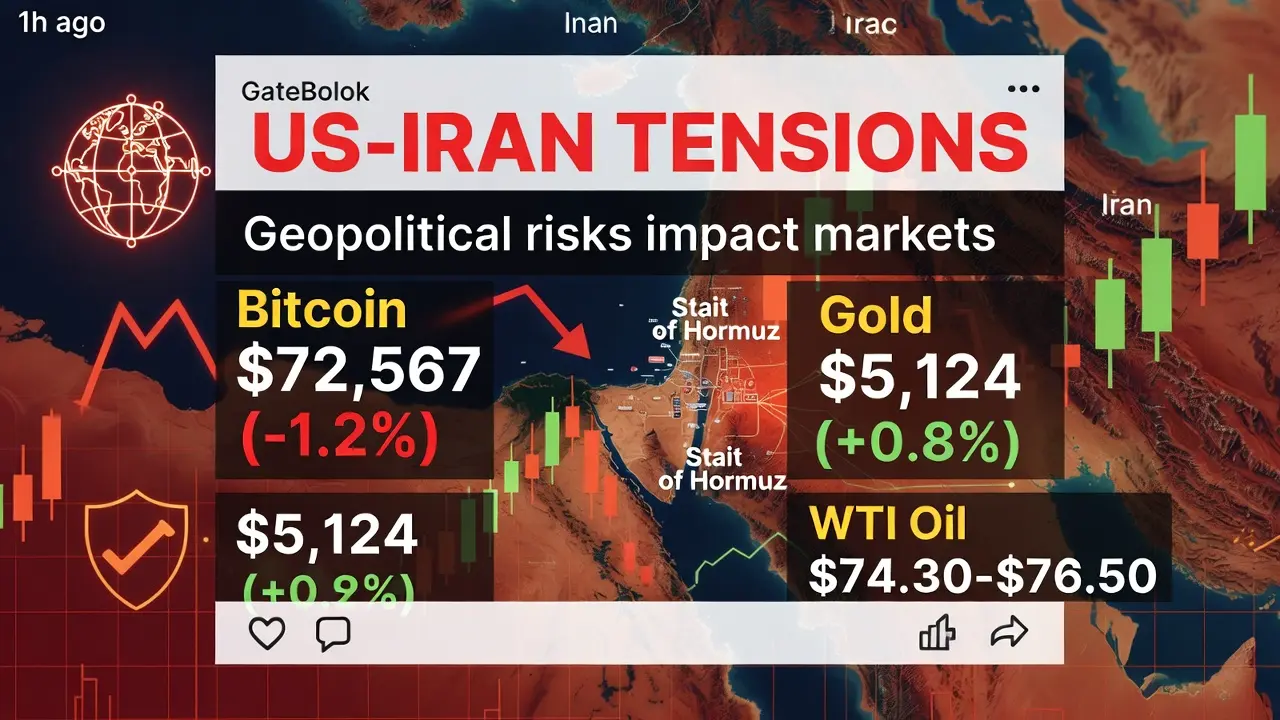
Recent spikes of 10–13%+ reflect US-Israeli strikes on Iran, threats to close the Strait of Hormuz (handling ~20% of global oil flows), and halted tanker traffic, introducing substantial risk premiums.
2. Volume Dynamics – Measuring Market Participation & Conviction
Volume indicates market conviction: high levels confirm trends, while spikes often precede or amplify price moves.
Precious Metals Volume:
COMEX gold and silver futures show elevated turnover, driven by institutional hedgers, ETF inflows, and central bank purchases.
High volume ensures price discovery with minimal slippage, even amid strong rallies.
Oil Volume:
Brent and WTI futures volumes surge during geopolitical escalations.
Inventory reports, OPEC+ decisions, and global news flows create episodic volume spikes, amplifying intraday price swings when liquidity temporarily tightens.
Overall, 2026 shows above-average participation in commodities markets, highlighting broad-based interest rather than isolated speculation.
3. Liquidity – Market Depth & Execution Efficiency
Liquidity measures how easily assets can be traded without large price disruption.
Precious Metals Liquidity:
Gold remains highly liquid with deep order books on COMEX and LBMA.
Silver has strong but slightly thinner liquidity; large moves can occur with less capital.
Institutional depth, including central bank reserve purchases and ETFs, ensures smooth execution during rallies.
Oil Liquidity:
Brent/WTI front-month contracts maintain baseline liquidity.
Geopolitical shocks, however, thin markets temporarily, widening spreads and creating flash volatility (e.g., Strait of Hormuz concerns).
Summary: Metals markets remain structurally liquid, whereas oil is subject to event-driven liquidity constraints, influencing short-term price swings.
4. Percentage Movements & Volatility
Precious Metals Movements (2026 YTD & Recent):
Gold: +~85% year-over-year, monthly +8.4%, weekly +4–10% during risk spikes.
Silver: Often 1.5–2x gold’s percentage moves; recent surges of 10–20% in short periods.
Platinum/Palladium: Positive gains, lagging slightly behind gold and silver.
Volatility remains elevated but orderly compared to prior cycles.
Oil Movements:
Brent/WTI: 10–15%+ single-day or weekly spikes on Hormuz fears; monthly gains 12–15%.
Sharp percentage changes reflect risk-premium adjustments rather than immediate fundamental shifts.
5. Core Drivers Behind 2026 Trends
Precious Metals:
Safe-Haven & Reserve Demand: Investors diversify away from fiat amid currency concerns and inflation persistence.
Industrial Demand: Silver’s use in solar, EVs, and electronics; platinum’s role in hydrogen fuel cells and autocatalysts provide fundamental support.
Oil:
Geopolitical Supply Risks: Threats to the Strait of Hormuz affect ~15–20 million bpd flows, introducing risk premiums even without full disruption.
Macro Overlay: Low real yields, persistent inflation expectations, and energy transition dynamics support both oil and metals.
6. Broader Implications for Investors, Economies, & Markets
Precious Metals:
Serve as portfolio hedges during risk-off periods.
Act as inflation proxies when real rates fall.
Support sector rotation into mining equities and ETFs.
Oil:
Higher prices feed into global inflation via transportation and energy costs.
Energy sector equities benefit; consumer-heavy industries face headwinds.
Sustained $80+ per barrel could pressure demand-sensitive economies.
Liquidity & Volume Signals:
Metals: high volume/liquidity favors trend continuation.
Oil: episodic illiquidity signals potential for sharper corrections.
7. 2026 Market Outlook & Forward Considerations
Precious Metals: Elevated structurally, supported by safe-haven and institutional demand.
Oil: Volatile, geopolitically driven; potential to reach $90–$100+ if disruptions persist.
Liquidity: Metals remain robust; oil shows variability and sharper risks.
Volume: Active across both metals and energy markets, indicating sustained market participation.
Forward-Looking: Metals may consolidate if geopolitical or macro risks ease, but structural deficits support price floors. Oil downside exists if de-escalation occurs, but upside remains if chokepoints remain threatened.
Conclusion
The 2026 surge in precious metals and oil results from interlinked geopolitical pressures, safe-haven flows, industrial fundamentals, and supply vulnerabilities.
Prices: elevated across metals and oil.
Volume: high and supportive of trend confirmation.
Liquidity: metals deep, oil variable during crises.
Percentage moves: reflect risk premiums and real economic shocks.
Investors and traders should monitor Strait of Hormuz developments for oil volatility while metals offer more predictable hedging opportunities. Liquidity and volume signals provide actionable timing insights for entry and exit points.
repost-content-media
  • Reward
  • Comment
  • Repost
  • Share
#Bitcoin’sSafeHavenAppeal .
🌐 #Bitcoin’s Safe Haven Appeal
Bitcoin has long been in the spotlight as a potential “safe haven” asset — a digital asset some investors turn to during economic or geopolitical uncertainty. But what does this really mean, and how does it impact trading, investing, and forecasting in 2026? Let’s break it down.
1️⃣ Understanding the Phrase
#Bitcoin’s Safe Haven Appeal literally means:
The attraction of Bitcoin as a safe haven asset.
Breaking it down:
Bitcoin: The first decentralized cryptocurrency, operating without central banks or governments.
Safe haven: An asset
BTC4,09%
HighAmbitionvip
#Bitcoin’sSafeHavenAppeal .
🌐 #Bitcoin’s Safe Haven Appeal
Bitcoin has long been in the spotlight as a potential “safe haven” asset — a digital asset some investors turn to during economic or geopolitical uncertainty. But what does this really mean, and how does it impact trading, investing, and forecasting in 2026? Let’s break it down.
1️⃣ Understanding the Phrase
#Bitcoin’s Safe Haven Appeal literally means:
The attraction of Bitcoin as a safe haven asset.
Breaking it down:
Bitcoin: The first decentralized cryptocurrency, operating without central banks or governments.
Safe haven: An asset investors turn to for stability during market turmoil, like gold or government bonds.
Appeal: The reason it is attractive or desirable to investors.
In short: It explains why some investors see Bitcoin as a way to protect wealth when traditional markets are volatile.
2️⃣ Why Bitcoin Is Considered a “Safe Haven” by Some
There are several key factors that contribute to this perception:
🔹 Limited Supply & Scarcity
Bitcoin’s maximum supply is 21 million coins, creating scarcity similar to gold.
This scarcity appeals to investors worried about inflation eroding fiat currencies.
🔹 Decentralization
Bitcoin operates independently of governments or central banks.
Investors see this as protection against currency devaluation or economic mismanagement.
🔹 Institutional Adoption
More funds, corporations, and ETFs are now holding Bitcoin.
This increases credibility, liquidity, and market maturity, making it feel safer for some investors.
🔹 Portfolio Diversification
Bitcoin sometimes behaves differently from traditional assets like stocks or bonds.
Adding Bitcoin can reduce overall portfolio correlation to markets — potentially smoothing returns.
3️⃣ Why Bitcoin Is Not a Perfect Safe Haven
Despite the narrative, Bitcoin has several characteristics that make it riskier than traditional safe havens:
⚠️ High Volatility
Prices can swing 10–15% in a day, much more than gold or Treasury bonds.
⚠️ Correlation With Risk Assets
During some crises, Bitcoin has fallen alongside stocks, contradicting its safe haven narrative.
⚠️ Market Sentiment Dependent
Bitcoin often responds strongly to hype, news, or regulation — making it a speculative asset.
Takeaway: Bitcoin can act as a partial hedge, but it’s not a guaranteed safe haven.
4️⃣ Current Market Context (March 2026)
BTC Price: ~$66,000–$67,000
Market sentiment: Cautious but recovering from previous volatility.
Macro backdrop: Inflation concerns persist, central banks maintain moderate tightening, and institutional adoption continues.
Analysis: Bitcoin is in a consolidation phase — attractive for both long-term holders and tactical traders waiting for trends.
5️⃣ Forecasts & Price Expectations
🔹 Bullish Scenarios
Institutional inflows + macro uncertainty could push BTC toward $100,000–$150,000 by end of 2026.
Positive adoption news, ETFs, or corporate holdings can fuel rallies.
🔹 Bearish / Cautionary Scenarios
Price could dip $40,000–$60,000 if market sentiment turns risk-off or global crises reduce appetite for crypto.
Regulatory uncertainty can trigger sudden corrections.
Important: Crypto markets remain highly speculative; all forecasts are probabilistic, not guaranteed.
6️⃣ Trading & Investment Strategies
🔹 Long-Term HODL
Buy Bitcoin and hold for years, banking on scarcity, adoption, and digital store of value.
🔹 Small Allocation for Diversification
Keep only 1–5% of your portfolio in Bitcoin to reduce risk exposure.
🔹 Technical Trading
Use indicators like moving averages, RSI, MACD, and support/resistance zones for short-term trades.
🔹 Risk Management
Set stop-loss orders and avoid investing money you cannot afford to lose.
7️⃣ Bitcoin’s Safe Haven Mechanics
Inflation Hedge: Limited supply makes it attractive when fiat weakens.
Crisis Diversifier: Can act as a hedge against geopolitical uncertainty — though imperfect.
Liquidity: High trading volumes allow large trades without crashing prices.
Global Accessibility: Unlike local currencies, Bitcoin can be accessed from anywhere, offering “financial freedom” in crisis regions.
8️⃣ Next Moves & Strategic Outlook
Short-term traders: Watch key support ($64k–$66k) and resistance ($70k–$72k) zones.
Long-term holders: Dollar-cost average to reduce entry risk.
Risk-off periods: Bitcoin may rise if macro uncertainty persists, but volatility means profits aren’t guaranteed.
Education: Track macro news, ETF approvals, and institutional flows for signals.
9️⃣ Key Takeaways
Bitcoin has real narrative appeal as a safe haven, but its performance is volatile and inconsistent.
Use Bitcoin as part of a diversified strategy, not as a full hedge.
Monitor market cycles, macro news, and institutional activity for timing.
Forecasts vary widely: $40k–$150k range in 2026 depending on sentiment and adoption.
🔟 Final Thoughts
Bitcoin’s “safe haven appeal” is a modern financial phenomenon — combining scarcity, decentralization, and growing legitimacy.
✅ It can protect wealth in uncertain times.
⚠️ It cannot fully replace gold or bonds as a stable safe haven.
Strategic advice: Treat Bitcoin as a hybrid asset — part speculative, part potential hedge — and always manage risk.
repost-content-media
  • Reward
  • Comment
  • Repost
  • Share
#贵金原油价格飙升
Oil Prices Surge Amid Middle East Geopolitical Escalation 🚨
As of March 2, 2026, the Middle East has entered one of the most acute periods of geopolitical tension in recent history, creating widespread volatility across energy, precious metals, and financial markets. The crisis originated in late February with coordinated airstrikes by U.S. and Israeli forces targeting critical Iranian military infrastructure, including IRGC missile launchers, drone production facilities, air defense systems, command and control nodes, nuclear sites, and leadership compounds associated with hardlin
HighAmbitionvip
#贵金原油价格飙升
Oil Prices Surge Amid Middle East Geopolitical Escalation 🚨
As of March 2, 2026, the Middle East has entered one of the most acute periods of geopolitical tension in recent history, creating widespread volatility across energy, precious metals, and financial markets. The crisis originated in late February with coordinated airstrikes by U.S. and Israeli forces targeting critical Iranian military infrastructure, including IRGC missile launchers, drone production facilities, air defense systems, command and control nodes, nuclear sites, and leadership compounds associated with hardline military officials. This was not a limited “surgical” operation; rather, it was a strategic, multi-vector campaign designed to degrade Iran’s deterrent and operational capabilities. U.S. leadership, including President Trump, signaled that the operations could continue for multiple weeks—potentially four to five—until strategic objectives such as regime destabilization and military neutralization are achieved.
The confirmed killing of Supreme Leader Ayatollah Ali Khamenei marks a profound shift in Iran’s domestic and foreign policy calculus. As a figure with near-absolute constitutional authority, Khamenei’s removal has fractured command chains, reduced centralized control, and heightened unpredictability in Iranian responses. This increases the risk of over-escalation and decentralized retaliation, further amplifying uncertainty across global markets.
Iran’s asymmetric response has focused on maritime domain denial (MDD) in the Strait of Hormuz, a critical chokepoint for global oil supply. Through IRGC warnings stating “No ship is allowed to pass,” coupled with mine threats and direct attacks on commercial shipping—such as the tanker Skylight off Oman—Iran has effectively disrupted approximately 70% of vessel traffic through the strait. The Hormuz handles roughly 15–21 million barrels of oil per day, or around 20% of global supply, making this disruption equivalent to a large-scale supply shock even without a total closure. Regional spillovers include missile strikes on U.S. bases in Gulf states, drone attacks on Saudi and Emirati infrastructure, Hezbollah rockets into northern Israel, and militia actions in Iraq. The combined effect is a systemic risk premium embedded into energy markets.
Market Reaction — Real-Time Price Dynamics
Oil prices have repriced sharply in response to these developments. As of early March 2026, Brent crude trades around $78–80 per barrel, while WTI is near $70–72 per barrel. These levels reflect a 7–13% repricing from pre-crisis levels, with intraday spikes in Brent reaching above $82. Drivers include the sudden expansion of the war risk premium, steepening backwardation (spot prices exceeding futures, signaling near-term scarcity), surges in trading volume and open interest (reflecting new speculative inflows as well as hedging by producers and consumers), and widened Brent-WTI spreads due to Brent’s greater sensitivity to Middle East flows. Liquidity conditions are strained, with widened bid-ask spreads and increased volatility, particularly in off-hour trading.
Precious metals have benefitted from safe-haven inflows. Gold is trading around $5,300–5,350 per ounce, rising approximately 1–2% intraday with monthly gains approaching 8%. Silver has tracked gold with amplified beta, often 1.5–3 times in risk-off episodes. The safe-haven demand reflects capital flight from risk assets into more secure stores of value.
Risk Aversion and Cross-Asset Flows
Markets are rotating capital aggressively. Defensive assets such as gold, silver, U.S. Treasuries, and safe-haven currencies like the USD, JPY, and CHF have seen inflows, along with selective defense and energy equities. Risk assets, including cyclicals, high-beta equities, emerging market currencies, and crypto assets, have faced short-term outflows. Cryptocurrencies, acting as high-beta risk assets, initially experience selling pressure of approximately 5–15% in response to heightened risk-off sentiment, though speculative flows may return if energy-driven inflation narratives persist.
Higher energy costs are already impacting macroeconomic variables. Rising crude oil prices place upward pressure on consumer prices (CPI), increase manufacturing and transportation input costs, and potentially moderate growth in energy-importing economies. Central banks may delay rate cuts, adjust policy expectations, and tolerate elevated inflation temporarily. Safe-haven currencies strengthen, while emerging markets face depreciation pressure, and yield curves may flatten as long-duration Treasuries attract capital.
Volume, Liquidity, and Technical Considerations
Trading volumes in oil futures have surged significantly, with open interest rising sharply, signaling that fresh capital is entering the market rather than just exiting. Precious metals show similar accumulation in ETFs and futures.
Market-makers are cautious, widening spreads and creating whipsaw risks, particularly during low-liquidity hours. Technical levels suggest Brent immediate resistance at $83–85, medium resistance at $90–95, breakout potential above $100, and extreme shock levels reaching $110–120+ if the crisis escalates. WTI support lies near $68–72, with breakout above $80 signaling broader panic. Gold resistance is $5,400–5,500, with support at $5,200–5,300; silver remains highly elastic, with 10–20% swings possible.
Oil Price Projections by Escalation Stages
Stage 1 — Immediate Panic/Repricing (Current to 1–2 Weeks): Markets are digesting initial Hormuz disruptions, insurance premium spikes, and geopolitical headlines. Brent may trade between $80–90 per barrel, with WTI at $72–82. Analysts anticipate potential 10–20% surges on further escalation, such as additional attacks or regional proxy activity.
Stage 2 — Prolonged Disruption/Escalation (Weeks to Months): If maritime domain denial persists, sustained supply fears push Brent to $90–100+, with extreme scenarios reaching $110–120+—levels reminiscent of the 1970s oil shocks. WTI could reach $85–110+ under similar conditions. Extended regional escalation, including attacks on infrastructure, would sustain these elevated levels.
Stage 3 — Partial De-Escalation/Diplomacy: Should diplomatic channels emerge and shipping gradually resume, Brent may retrace to $70–80, with WTI at $65–75. Although risk premiums diminish, elevated baseline prices are likely to persist above pre-crisis levels (~$65–70).
Stage 4 — Extreme/Prolonged War (Tail Risk, Low Probability): Multi-front escalation or coalition responses could sustain Brent at $100–120+ and WTI at $90–110+, creating deep inflationary pressures and systemic volatility.
Behavioral Finance and Trader Dynamics
Traders are amplifying moves through behavioral biases, with herd mentality driving speculative longs and FOMO contributing to spikes. Risk premiums could expand 20–50% further in high-escalation scenarios, but may collapse rapidly on de-escalation signals. Current positions favor long oil futures, call spreads, gold, and defensive FX or equities. Leverage remains high, increasing vulnerability to sharp reversals.
Broader Macro and Crypto Implications
Persistent high oil prices support inflation narratives, with CPI pressures, rising input costs, and slowed growth in key economies. FX safe-havens strengthen, while emerging markets weaken. Cryptocurrencies, as high-beta risk assets, face short-term selling pressure of 5–15% but may attract speculative hedge flows if sustained oil prices remain above $90–100. Overall, crypto is expected to trade in choppy, sentiment-driven ranges until market clarity improves.
Scenario Pathways
Escalation Continues: Hormuz remains disrupted; Brent $90–120+, WTI $85–110+; gold rises toward new highs; crypto volatility elevated.
Partial De-Escalation: Diplomacy or indirect talks; Brent retraces to $70–80, WTI $65–75; metals ease slightly; crypto stabilizes within choppy ranges.
Drivers: U.S./Israeli strikes + Iran retaliation → Hormuz disruption → oil risk premium surge.
Current Prices: Brent ~$78–80; WTI ~$70–72.
Stage 1 (Immediate): Brent $80–90; WTI $72–82.
Stage 2 (Prolonged Escalation): Brent $90–120+; WTI $85–110+.
Stage 3 (De-Escalation): Brent $70–80; WTI $65–75.
Stage 4 (Extreme War): Brent $100–120+ sustained.
Outlook: Bulls target higher if conflict persists; bears rely on diplomatic resolution. High volatility continues—monitor geopolitical and Hormuz developments closely.
repost-content-media
  • Reward
  • Comment
  • Repost
  • Share
#GateSquare$50KRedPacketGiveaway
1. Campaign Overview
Gate.io has launched the $50,000 Red Packet Giveaway on its GateSquare platform, marking one of the largest reward campaigns in its ecosystem. This initiative is designed to reward users, boost engagement, and drive traffic to GateSquare, the exchange’s innovative social and community platform.
2. Purpose of the Giveaway
User Engagement: Encourages users to actively participate in the GateSquare ecosystem.
Community Growth: Attracts new users and strengthens loyalty among existing members.
Promoting GateS
DEFI-5,16%
HighAmbitionvip
#GateSquare$50KRedPacketGiveaway
1. Campaign Overview
Gate.io has launched the $50,000 Red Packet Giveaway on its GateSquare platform, marking one of the largest reward campaigns in its ecosystem. This initiative is designed to reward users, boost engagement, and drive traffic to GateSquare, the exchange’s innovative social and community platform.
2. Purpose of the Giveaway
User Engagement: Encourages users to actively participate in the GateSquare ecosystem.
Community Growth: Attracts new users and strengthens loyalty among existing members.
Promoting GateSquare: Highlights Gate.io’s social features, such as forums, trading competitions, and interactive campaigns.
Education & Awareness: Helps users learn about cryptocurrencies and token utility through a gamified experience.
3. Key Features of the Giveaway
Total Prize Pool: $50,000 distributed as red packets in crypto.
Eligibility: Open to registered Gate.io users who meet campaign participation requirements.
Participation Mechanics: Users may earn red packets through actions like:
Engaging on GateSquare posts
Inviting friends via referral links
Completing educational or interactive tasks
Participating in quizzes, polls, or mini challenges
Distribution: Red packets can contain various cryptocurrencies, rewarding both small and high-value prizes to encourage broad participation.
4. Benefits for Users
Instant Rewards: Users receive crypto directly into their Gate.io wallets.
Diverse Prizes: Multiple cryptocurrencies give exposure to different projects.
Fun & Gamified Experience: Makes engagement enjoyable while incentivizing learning about crypto.
Community Building: Promotes networking and sharing among GateSquare users.
5. Impact on Gate.io Ecosystem
Drives higher engagement on GateSquare, increasing platform stickiness.
Encourages users to explore other Gate.io services, such as trading, staking, and DeFi products.
Enhances Gate.io’s reputation as a user-focused and innovative exchange that rewards loyalty and participation.
6. Strategic Significance
Campaign strengthens Gate.io’s competitive edge over other exchanges that have less gamified engagement.
Supports mass adoption by turning casual users into active participants in crypto.
Builds long-term loyalty through positive reward experiences, potentially increasing user lifetime value.
7. Future Outlook
Similar campaigns are likely to continue, with larger prize pools or token airdrops tied to ecosystem milestones.
Could expand into regional or global leaderboard contests, increasing international participation.
Reinforces GateSquare as a hub for community interaction, learning, and rewards, making it central to Gate.io’s ecosystem strategy.
Fully Brief Version – Key Highlights
Gate.io launches $50K Red Packet Giveaway on GateSquare.
Purpose: Boost engagement, reward users, and promote community growth.
Users participate via posts, referrals, quizzes, and mini challenges.
Rewards: Instant crypto prizes from a diversified pool.
Benefits: Fun, educational, and rewarding experience for users.
Strategic Impact: Increases GateSquare activity, loyalty, and ecosystem adoption.
If you want, I can also create a visual infographic for this giveaway, showing $50K prize, participation steps, and user benefits—perfect for social media promotion.
⏳ Countdown 3️⃣ days, Gate Plaza $50,000 Red Envelope Rain is underway!
Post for a 100% chance to win, with the reward cap increased again!
New and old users can post to claim, with a maximum of 28U per post!
Daily reward limits have been increased. The more you post, the more红包 you can get!
Join now:
1️⃣ Update the App to v8.8.0
2️⃣ Click to post, rewards will be automatically credited
Post now to receive红包 👉 https://www.gate.com/post
Details: https://www.gate.com/announcements/article/49773
repost-content-media
  • Reward
  • Comment
  • Repost
  • Share
#BitcoinBouncesBack
1️⃣ Current Market Snapshot
Bitcoin (BTC) Current Price: $66,934
Market Capitalization: ~$1.3 Trillion
24-Hour Trading Volume: ~$40 Billion
Dominance in Crypto Market: ~46%
Bitcoin has recently shown a significant technical rebound from lows around $64,500–$65,000. This recovery demonstrates that buyers are actively defending support levels, signaling potential continuation of upward momentum. The market is currently characterized by strong liquidity, institutional interest, and improving sentiment, creating favorable conditions for short-term and potentially medium-term g
HighAmbitionvip
#BitcoinBouncesBack
1️⃣ Current Market Snapshot
Bitcoin (BTC) Current Price: $66,934
Market Capitalization: ~$1.3 Trillion
24-Hour Trading Volume: ~$40 Billion
Dominance in Crypto Market: ~46%
Bitcoin has recently shown a significant technical rebound from lows around $64,500–$65,000. This recovery demonstrates that buyers are actively defending support levels, signaling potential continuation of upward momentum. The market is currently characterized by strong liquidity, institutional interest, and improving sentiment, creating favorable conditions for short-term and potentially medium-term gains.
2️⃣ Recent Price Context and Historical Overview
All-Time High in 2025: ~$126,000
Recent Low: ~$64,500
Current Level: $66,934
Bitcoin has experienced a nearly 47% correction from its all-time high, reflecting a natural market cycle of profit-taking, macroeconomic pressures, and technical adjustments. The current bounce represents a consolidation and recovery phase, where technical and fundamental factors are aligned to absorb selling pressure and create renewed upward momentum.
3️⃣ Factors Behind the Previous Correction
Several interrelated elements contributed to Bitcoin’s recent pullback:
a) Macroeconomic Pressure
Rising interest rates and inflation concerns led to a temporary risk-off environment, reducing speculative investment in Bitcoin.
Global economic uncertainty caused some investors to shift to traditional safe-haven assets like gold or government bonds.
Changes in fiscal or monetary policies, particularly in the United States, had a direct influence on Bitcoin volatility.
b) Technical Sell-Off
Breaches of minor support levels around $65,500 triggered stop-loss cascades, temporarily pushing prices lower.
Algorithmic trading amplified short-term selling, creating a sharp but short-lived dip.
c) Market Sentiment
Retail investors experienced heightened fear, which paradoxically created an opportunity for dip buyers to accumulate BTC at lower levels.
Media coverage of declines can amplify fear, but also set up conditions for recovery when support levels hold.
4️⃣ Reasons Behind the Current Bounce
a) Strong Technical Support
BTC successfully defended the $65,000–$65,500 range, which has historically acted as a significant floor.
Traders often interpret such support as a signal to enter long positions, generating upward momentum.
b) Oversold Technical Indicators
Indicators such as RSI (Relative Strength Index) and stochastic oscillators show BTC was oversold in the short term.
Oversold conditions create a higher likelihood of short-term rebounds as buying pressure increases.
c) Institutional Buying
Recent inflows from Bitcoin ETFs and institutional investors have added meaningful upward pressure.
Institutional participation is stabilizing the market, reducing volatility and creating confidence in the rebound.
d) Accumulation by Long-Term Holders
On-chain data reveals that whales and long-term holders are increasing their positions at current price levels.
Accumulation by long-term holders supports price floors and reduces the probability of sudden breakdowns.
5️⃣ Technical Analysis
Support Levels
$65,000–$65,500: Short-term support confirming recent bounce
$62,000–$63,000: Major accumulation zone attracting long-term buyers
$60,000: Critical psychological and historical support
Resistance Levels
$69,000–$70,000: Near-term resistance
$72,000–$73,000: Key breakout level for potential continuation
$78,000–$80,000: Extended upside if bullish momentum persists
Indicators
RSI: Rising from oversold, suggesting momentum recovery
MACD: Potential bullish crossover indicating trend reversal
Moving Averages:
50-day MA near $66,500 acts as support
200-day MA near $70,000 is a key resistance target
Interpretation: Bitcoin has short-term bullish momentum, but the price must overcome resistance zones to sustain the rally.
6️⃣ Volume Analysis
Increased trading volume confirms that the rebound is supported by actual buying demand, not a thin technical bounce.
Liquidity hotspots near $65,000 show active accumulation by retail and institutional investors.
Upcoming options expiries around $68,000–$70,000 may introduce short-term volatility, providing trading opportunities.
Conclusion: The volume patterns indicate a realistic probability of sustained short-term gains.
7️⃣ Institutional and Whale Activity
ETF inflows are pushing prices upward, providing support in the mid-$66,000 range.
Whale accumulation is creating a stable floor by reducing available supply on exchanges.
Derivatives positioning shows short-covering contributing to the price bounce.
Implication: Institutional and whale activity enhances the likelihood of a sustainable rebound, especially if near-term resistance is tested successfully.
8️⃣ On-Chain Analysis
Active Addresses: Rising activity indicates healthy network utilization.
Exchange Reserves: Slight reductions suggest BTC is moving off exchanges into cold wallets, which is bullish.
HODLer Behavior: Long-term holders continue to accumulate, supporting price stability and limiting potential downside.
Insight: On-chain metrics confirm that the current bounce is supported by real investor confidence and not speculative short-term trading alone.
9️⃣ Market Psychology and Sentiment
Retail sentiment is transitioning from fear to cautious optimism.
Media coverage and social trends are amplifying the perception of recovery.
Positive sentiment encourages short-term trading momentum, reinforcing the bounce.
Psychological Impact: Market perception can be self-reinforcing; as confidence grows, additional buying can push BTC through resistance zones.
🔟 Macro and Global Influences
Interest Rate Policy
BTC reacts to U.S. Fed policy and other global central banks.
Rate cuts or pauses increase liquidity and risk appetite, favoring upward movement.
Economic and Geopolitical Events
Inflation data, employment statistics, and fiscal announcements influence BTC price.
Geopolitical uncertainty can temporarily reduce risk appetite but may also increase demand as Bitcoin is seen as a hedge.
Correlation with Other Assets
BTC often correlates with technology and growth equities.
Positive momentum in equities can spill over into Bitcoin, increasing price recovery potential.
1️⃣1️⃣ Short-Term and Medium-Term Forecast
Bullish Scenario
Targets: $69,000 → $72,000 → $78,000–$80,000
Drivers: Technical support, institutional inflows, and rising momentum
Bearish Scenario
Support fails → retest $62,000–$63,000
Drivers: Macro shocks, high-volume sell-offs, resistance rejection
Neutral/Consolidation Scenario
Price stabilizes between $66,000–$69,000
Market digests prior gains and accumulates liquidity for next directional move
Trading Strategy Recommendation:
Entry near $65,000–$66,000 for short-term gains
Partial profit-taking at $69,000–$70,000
Stop-loss below $64,500 to manage risk
1️⃣2️⃣ Long-Term Outlook
Bitcoin remains a store of value with growing institutional adoption.
If BTC breaks $72,000 convincingly, the next bullish phase could target $78,000–$100,000 within 3–6 months.
Sustained accumulation by long-term holders, coupled with macro tailwinds, supports a strong long-term bullish narrative.
1️⃣3️⃣ Risks and Caveats
Resistance around $69,000–$72,000 may halt short-term momentum.
Sudden macroeconomic shocks, such as unexpected rate hikes or geopolitical events, can trigger rapid price declines.
High volatility inherent to cryptocurrency markets requires careful position management.
1️⃣4️⃣ Key Takeaways
Bitcoin has rebounded to $66,934 after defending strong support near $65,000.
Technical indicators suggest a short-term bullish trend, but resistance zones must be tested.
Trading volume and institutional inflows confirm the bounce is supported by real demand.
On-chain data shows whale and HODLer accumulation, reinforcing price stability.
Macro factors, including interest rates and global risk sentiment, will influence near-term direction.
Multiple scenarios exist: bullish continuation, consolidation, or downside retest, depending on market conditions.
1️⃣5️⃣ Conclusion
Bitcoin’s recent recovery demonstrates resilience and strong demand at key support levels. The current bounce reflects a technical rebound supported by institutional participation, on-chain accumulation, and improving market psychology. While short-term momentum is positive, monitoring resistance zones and macroeconomic conditions remains essential for sustained growth.
If the momentum continues, Bitcoin has the potential to reach $72,000–$80,000 in the near term, with a strong foundation for longer-term growth.
repost-content-media
  • Reward
  • 4
  • Repost
  • Share
Yusfirahvip:
LFG 🔥
View More
#BuyTheDipOrWaitNow?
Buy The Dip or Wait Now?
(Real-Time Karachi Update: March 1, 2026 – Early Morning Asia Session
BTC Crashes Into Extreme Fear: $65K–$67K Range Holds – Is This the Ultimate Accumulation Zone or a Trap Before $50K?
Bitcoin Faces Make-or-Break Week: $60,000 Line in the Sand Decides Bull Continuation or Bear Acceleration
Extreme Fear Index at 11–14: Historical Bottom Signal or Prolonged Pain Ahead?
Spot BTC ETFs Flip Script: $1.1B+ Inflows in Late February – Institutions Quietly Loading the Dip?
Leverage Flush Mostly Done? Negative Funding + Declining Sell Volume Signal Pote
BTC4,09%
HighAmbitionvip
#BuyTheDipOrWaitNow?
Buy The Dip or Wait Now?
(Real-Time Karachi Update: March 1, 2026 – Early Morning Asia Session
BTC Crashes Into Extreme Fear: $65K–$67K Range Holds – Is This the Ultimate Accumulation Zone or a Trap Before $50K?
Bitcoin Faces Make-or-Break Week: $60,000 Line in the Sand Decides Bull Continuation or Bear Acceleration
Extreme Fear Index at 11–14: Historical Bottom Signal or Prolonged Pain Ahead?
Spot BTC ETFs Flip Script: $1.1B+ Inflows in Late February – Institutions Quietly Loading the Dip?
Leverage Flush Mostly Done? Negative Funding + Declining Sell Volume Signal Potential Bounce Setup
Mid-Range Trap Alert: Why $65K–$67K Entries Are Weak – Scaling at $60K–$62K Could Be the Smart Play
March 2026 Crossroads: Volatility Compression, Fear Reset, or Macro Shock Triggering Deeper Correction?
Risk-Reward Tilting Asymmetric? Downside ~9–22% vs Upside 15–30%+ – But Only If $60K Holds Firm
Bull Case Heating Up? $70K Reclaim + Volume Could Spark Short Squeeze to $75K–$85K
Bear Case Conditional: Weekly Close Below $60K Opens Floodgates to $52K–$55K (or Lower)
As we move deeper into March 2026, the crypto market stands at a tense psychological and structural crossroads. Bitcoin hovers in the $65,000–$67,300 zone (early March 1 readings showing minor +2–3% attempts from Feb lows), after a sharp ~45–50% correction from 2025 highs above $120,000–$126,000. Volatility remains aggressive, social sentiment overwhelmingly bearish, and macro pressures (tariffs, geopolitics, DXY) weigh heavy.
The real question has evolved beyond emotion — it's now purely strategic:
Is this a classic bull-market correction ripe for intelligent accumulation, or the stealthy early innings of a deeper structural breakdown?
1️⃣ Macro & Cycle Trend Context
Still Bullish Structure or Bear Market Sneaking In?
Zooming out to monthly & weekly: BTC remains comfortably above the 200-day SMA (~$58k–$60k) and the 2022 macro low structure stays intact. Post-2024 halving cycles historically deliver deep mid-cycle corrections (30–60% drawdowns common) before explosive legs higher — this ~45–50% retrace fits the pattern.
Red Flags Mounting:
Worst February since 2022 collapse era
YTD losses exceeding 25–26%
5+ consecutive monthly declines (echoes of 2018 bear)
Hostile macro: Tariff talks, Middle East tensions, Fed uncertainty
Core Insight: Structure still screams corrective phase inside macro uptrend — not confirmed bear market. Unless $60k weekly close breaks decisively or major macro shock hits, probability favors volatility compression → continuation.
2️⃣ Market Structure
The $60,000 Make-or-Break Line Everyone’s Watching
Current Action: BTC consolidating in $60k–$70k box since early Feb crash, now mid-range ~$65,700–$67,300 (24h low ~$64,800 touch, attempts toward $67k+).
The Decisive Levels:
Ultimate Support Cluster: $62,000–$60,000 (200-day SMA alignment, massive volume node, psychological round number, prior demand zone)
→ Hold = healthy corrective dip → prime accumulation
→ Weekly close below = structural breakdown → $52k–$55k (next Fib retracement levels)
Bull Confirmation Trigger: Sustained reclaim + close above $70,000 with strong volume → short squeeze potential $75k–$80k+
Mid-Range Warning: At current levels, entries are statistically weakest — scaling + patience wins.
3️⃣ Liquidity & Leverage Mechanics
Leverage Flush Mostly Done? Negative Funding + Declining Sell Volume Signal Potential Bounce Setup
Recent: Billions in long liquidations triggered, funding rates deeply negative (bearish capitulation signal), open interest reset lower.
Bullish Read: Leverage washout largely complete; extreme fear + negative funding = classic bounce precursor (see 2018/2020/2022 lows).
Caution Flag: Liquidity pools still visible below $62k/$60k — markets frequently sweep final stops before true expansion.
Bottom Line: One more flush to $60k–$62k remains probable before conviction reversal — full-size buys here carry moderate trap risk.
4️⃣ Volume Behavior
Smart Money Quietly Accumulating?
Selling volume declining sharply from February panic peaks. No explosive bearish expansion on dips below $65k. Bullish volume surge still absent above $70k — classic compression phase.
Smart money thrives in: declining vol + extreme fear + negative funding + quiet ranges. Setup forming — confirmation needs upside expansion.
5️⃣ Institutional & ETF Flows
Spot BTC ETFs Flip Script: $1.1B+ Inflows in Late February – Institutions Quietly Loading the Dip?
Latest Fresh Data (late Feb 2026):
Spot BTC ETFs snapped 5-week outflow streak → $1.1B+ net inflows over recent 3 days (strongest week in 6 weeks)
BlackRock IBIT leading (~half of inflows, e.g., $297M+ on Feb 25)
Feb 25 single-day inflows ~$506M (highest in 3 weeks)
No mass institutional exit — flows reversing from earlier YTD pressure
Implication: Institutions accumulating dips quietly — this looks like redistribution/reset, not abandonment.
6️⃣ Sentiment & Psychology
Extreme Fear Index at 11–14: Historical Bottom Signal or Prolonged Pain Ahead?
Fear & Greed Index: Stuck at 11–14 (Extreme Fear) for weeks — single-digit lows recently.
Social Narrative: Heavy “$50k coming”, “cycle top confirmed”, bearish prediction markets.
Historical Edge: Extreme fear extremes (especially single digits) often mark local bottoms — fear can linger, but it's a powerful condition when combined with structure.
7️⃣ Risk-to-Reward Breakdown at ~$66,000–$67,000
Risk-Reward Tilting Asymmetric? Downside ~9–22% vs Upside 15–30%+ – But Only If $60K Holds Firm
Downside:
To $60k → ~8–10%
Breakdown to $52k–$55k → ~18–22%
Upside:
Reclaim $70k–$75k → ~10–15%
Expansion to $80k–$85k → ~20–30%+
Q2 macro resumption → much higher R:R
Verdict: Asymmetric if $60k holds — scaling/ladders maximize edge.
8️⃣ Scenario Modeling — Probabilities as of March 1
March 2026 Crossroads: Volatility Compression, Fear Reset, or Macro Shock Triggering Deeper Correction?
🟢 Bullish Continuation (45–55%)
$60k–$62k holds → negative funding persists → $70k volume reclaim → squeeze to $75k–$85k. Catalysts: Continued ETF inflows, macro de-escalation.
🟡 Sideways Compression (Highest ~45–50%)
$60k–$70k range for weeks/months → volatility contracts → full reset → Q2 breakout.
🔴 Bearish Acceleration (20–30%, spikes on $60k break)
Weekly close <$60k → volume expansion → macro shock → $52k–$55k (or lower).
9️⃣ Professional Positioning — Buy the Dip, Wait, or Smart Hybrid?
Long-Term Investor (1–3+ Years)
→ Prime Accumulation Territory
Macro intact + extreme fear + ETF reversal + leverage flush.
Strategy: Start aggressive DCA now ($66k–$60k). Extra add on $58k–$60k sweep. Avoid emotional full sends.
Swing Trader (Weeks–Months)
→ Mostly Wait for Confirmation
Mid-range = neutral. Enter on: $70k+ reclaim with volume OR capitulation wick at $60k + reversal. Small partial scaling ok now, full sideline safer.
High Risk-Averse
→ Full Wait
Let $60k resolve — enter higher with defined risk.
Balanced Pro Approach
Partial allocation now (20–40%) at extreme fear levels
Aggressively add on $60k–$62k sweep
Scale out/hedge on repeated $70k failure
Full conviction only above sustained $70k reclaim
Final Strategic Conclusion
This does NOT mirror early 2022 collapse (no systemic failures, institutions returning). It resembles late-cycle volatility compression + leverage cleansing + fear-driven reset — historically sets up continuation legs (unless major macro shock materializes).
The dip leans buyable for disciplined players — but only with ruthless risk control, scaling, and patience. Blind full-size = high trap probability. Survival + intelligent positioning always beats bottom-picking in volatility.
repost-content-media
  • Reward
  • 3
  • Repost
  • Share
ShainingMoonvip:
2026 GOGOGO 👊
View More
#ETHMarketAnalysis
Ethereum is currently navigating one of the most structurally nuanced phases since its 2025 peak (~$4,900–$5,000). Spot ETH is hovering around $1,930–$1,965, reflecting early March +2% attempts but still ~60% down from ATHs. This phase represents a classic combination of extreme fear, volatility compression, and quiet accumulation, distinctly different from the 2022-style collapse. Key ecosystem fundamentals remain intact: staking and DeFi/L2 layers are resilient, no major exploits have occurred, and institutional ETFs are gradually absorbing liquidity. Market structure ind
ETH3,16%
HighAmbitionvip
#ETHMarketAnalysis
Ethereum is currently navigating one of the most structurally nuanced phases since its 2025 peak (~$4,900–$5,000). Spot ETH is hovering around $1,930–$1,965, reflecting early March +2% attempts but still ~60% down from ATHs. This phase represents a classic combination of extreme fear, volatility compression, and quiet accumulation, distinctly different from the 2022-style collapse. Key ecosystem fundamentals remain intact: staking and DeFi/L2 layers are resilient, no major exploits have occurred, and institutional ETFs are gradually absorbing liquidity. Market structure indicates a late-cycle cleanse: retail sentiment is extremely negative, smart money is quietly accumulating, derivative risk has been largely flushed, and macro overlays create asymmetric risk/reward scenarios for traders.
Retail panic dominates: Fear & Greed Index has remained at ~11–16 (Extreme Fear) for weeks, with social chatter highlighting catastrophic scenarios (“$1,500 incoming”, “alt bleed endless”, “macro death cross”). In contrast, smart money and whales have been accumulating aggressively. During the recent $7B leverage flush, $18B+ ETH moved into strong hands, while long-term holders continue to increase positions and short-term holders are shrinking. Exchange supply is at decade lows, and the MVRV ratio (~0.78–0.95) indicates undervaluation.
Prediction markets align with this contrarian sentiment. Polymarket March 1 odds show $1,900–$2,000 at ~59%, $2,000–$2,100 at ~22%, $1,800–$1,900 at ~13%, and sub-$1,500 <1%. Robinhood and Kalshi platforms show similarly tight ranges, reflecting low downside conviction.
Staking dynamics provide structural support, with ~37M+ ETH (~31% of circulating supply) locked and yields around 3–4.5%. Scarcity combined with institutional and whale accumulation offers a powerful floor. Spot ETH ETFs have recently flipped to net inflows following February outflows, reinforcing accumulation behavior. Institutions like Bitmine are redistributing rather than exiting, indicating confidence at $1,900–$2,000 levels.
Macro overlays remain hostile: tariff escalation, geopolitical tension, USD strength, and Fed uncertainty are key downside risks. However, any easing in these factors could trigger a risk-on rotation, with ETH benefiting first as a highly liquid large-cap alt. Analyst forecasts suggest short-term relief to $2,100–$2,200 in mid-March, a March base in the mid-$2,000s, and Q2 resumption into the low-$3,000s if macro catalysts align. Longer-term projections are bullish, with 2026 potentially reclaiming $5,000+.
Traders’ Camps & Strategic Plans
Ethereum traders are currently divided into five distinct camps based on risk tolerance, market view, and strategy:
Aggressive Accumulate / Heavy DCA (40–55%) – Contrarian bulls capitalize on extreme fear, oversold technicals, whale accumulation, staking scarcity, and ETF support. Laddered DCA from $1,950–$1,800, with aggressive sweep near $1,816–$1,800, targets $2,100–$2,200 mid-March relief, medium-term $2,200–$2,500, and Q2 low-$3,000s. Weekly closes <$1,700–$1,800 invalidate this strategy.
Patient Confirmation / Capitulation Wait (40–45%) – Swing or high-conviction traders wait for one final stop-hunt near $1,800–$1,850 or confirmation via daily/weekly close >$2,050–$2,100. Partial exposure (5–15%) is deployed selectively. Weekly breakdown <$1,800 triggers bear acceleration to $1,600–$1,700.
Bearish / Defensive Plays (20–30%) – Risk-off traders hedge against macro risks, downtrending charts, and low-volume rallies. Shorts on failed reclaims ($2,100–$2,200) or covered call income strategies on bounces are employed. Downside targets: $1,600–$1,700; extreme macro shocks: $1,500. Invalidation occurs on sustained $2,100+ reclaim.
Hybrid / Scaled Risk-Managed (20–40%) – Balanced traders combine partial entries now (fear extremes) with heavier scaling if $1,800–$1,850 holds. Partial profit-taking occurs on repeated $2,100 resistance failure, and full conviction is applied on $2,100–$2,200 + volume surge. Asymmetric R:R favors upside (15–40% short/medium-term, exponential long-term).
Long-Term Ecosystem / AI-Driven Bulls (10–15%) – Focused on Ethereum’s role as a coordination layer for autonomous AI agents and the emerging agent economy. Positions include ETH, L2s, staking yields, and AI-related ecosystem plays. Aggressive targets: $13–$15K in 2026–2028 macro wave scenarios.
Key Technical & Liquidity Levels
Ethereum’s critical technical and liquidity zones for March 2026 are defining traders’ strategies. The $1,816–$1,800 range serves as the primary make-or-break support, combining a psychological floor with high-volume accumulation and alignment with oversold on-chain indicators. Sustaining this zone is likely to trigger a short-term bounce, though one final capitulation wick may occur before conviction buying emerges. The $2,050–$2,100 zone represents major resistance; reclaiming it with strong volume would signal a momentum shift and potential short squeeze. Holding $2,100–$2,200 opens a short-term relief expansion with upside toward $2,200–$2,500, contingent on macro catalysts and institutional flows. The mid-$2,000s are shaping up as a consensus base for March, providing a springboard to Q2 low-$3,000s if ETF, whale, and macro dynamics align. Traders should scale cautiously at support, take partial profits on resistance failures, and monitor weekly closes below $1,800, which may expose liquidity voids to $1,600–$1,700. These zones integrate technical, on-chain, and macro signals into a cohesive framework for tactical positioning.
Derivatives, Options, & Funding Dynamics
Funding rates remain persistently negative, indicating exhausted leveraged longs. Open interest reduction post $7B leverage unwind reduces short-squeeze risk and enhances spot bid absorption. Options skew shows slight call-side premium at $2,200–$2,500, reflecting relief rally expectations. Elevated implied volatility signals readiness for sharp directional moves; traders must manage sizing and timing carefully.
Macro & ETF Overlay
Macro risks—tariff escalation, geopolitical tension, Fed uncertainty—create asymmetric downside risk. ETF flows, particularly net inflows post-February, indicate structural support and accumulation. Exchange ETH supply is at decade lows, offering strong defense against downside pressure. Any macro easing will likely trigger first risk-on rotation into ETH, amplifying short-term relief moves.
Strategic Takeaways
Extreme Fear = Opportunity: Oversold technicals, whale accumulation, staking scarcity, and institutional bids create asymmetric risk/reward.
One More Flush Probable: Likely $1,800 test sets high-probability bounce conditions.
Avoid Blind Full-Sends: Scale strategically and prioritize capital preservation.
March Volatility Could Resolve Either Way: Track $1,800 closely, along with ETF flows, derivatives, and macro triggers.
Survival Beats Bottom-Picking: Even contrarian bulls must be nimble, size positions correctly, and stay patient.
Ethereum’s current phase represents structural resilience under extreme fear, with retail panic peaking, smart money accumulating, derivative risk flushed, and institutional bids forming a subtle floor. A short-term relief bounce to $2,100–$2,200 is probable, followed by a medium-term squeeze to $2,200–$2,500, and potential Q2 expansion into the low-$3,000s if macro catalysts align. Capital preservation, scaling entries, and strict risk management are essential, while Ethereum’s long-term AI and agent economy narrative preserves parabolic optionality.
🚀 Key Focus: Track $1,800–$1,850 for support, monitor ETF and macro flows, scale strategically, and maintain nimble execution. Mid-March could be the pivotal pivot point for relief and further accumulation.
repost-content-media
  • Reward
  • 4
  • Repost
  • Share
Yusfirahvip:
LFG 🔥
View More
#JaneStreet10AMSellOff
The Jane Street 10AM sell-off phenomenon is a vivid example of how institutional flows, algorithmic trading, and liquidity dynamics converge in the cryptocurrency market. Observed repeatedly throughout late 2025 and early 2026, this pattern is a sharp, intraday price reversal typically occurring around 10:00 AM ET, after a modest rally following the U.S. equity open at 9:30 AM ET. The phenomenon is closely linked to Bitcoin but can also affect major altcoins during correlated periods. Understanding this pattern requires dissecting price movements
BTC4,09%
HighAmbitionvip
#JaneStreet10AMSellOff
The Jane Street 10AM sell-off phenomenon is a vivid example of how institutional flows, algorithmic trading, and liquidity dynamics converge in the cryptocurrency market. Observed repeatedly throughout late 2025 and early 2026, this pattern is a sharp, intraday price reversal typically occurring around 10:00 AM ET, after a modest rally following the U.S. equity open at 9:30 AM ET. The phenomenon is closely linked to Bitcoin but can also affect major altcoins during correlated periods. Understanding this pattern requires dissecting price movements, intraday structures, volume, funding, and institutional behavior in a detailed, stepwise manner.
Historically, before the U.S. market opens, Bitcoin’s price consolidates in the pre-open range—for example, between $64,800 and $65,500 in early February 2026. These levels represent overnight liquidity in Asia and Europe and serve as the baseline for institutional positioning. The pre-open range is critical because algorithmic market makers and ETFs anchor their delta-hedging strategies to these levels. A pre-open price near the top of this range signals potential vulnerability to a reversal, as algos may see an opportunity to harvest liquidity from retail traders who anticipate continued upward momentum. Conversely, a price near the lower end may indicate absorption by early buyers, providing stronger support for the upcoming rally.
As the U.S. open begins at 9:30 AM ET, Bitcoin often experiences an initial rally of 0.5–2%, reflecting both retail enthusiasm and the first waves of institutional buying or ETF adjustments. For instance, on February 10, 2026, Bitcoin moved from $65,200 to $66,800 in the first twenty minutes post-open. This phase is characterized by heightened volume, often 1.5 to 2 times the daily average, as both retail traders chase short-term momentum and institutions subtly accumulate or hedge positions. Key intraday levels during this period include minor resistance near $65,800, psychological barriers around $66,200, and the early peak at $66,800, which frequently acts as a trigger for the subsequent 10AM sell-off. These levels are not arbitrary; they represent concentration points where liquidity pools align with algorithmic sell orders and retail stops, creating a precondition for a swift reversal.
Around 10:00 AM ET, the hallmark sell-off occurs. Price can drop 1.5–4% in 10–20 minutes, sweeping stops and triggering liquidations. On February 10, BTC fell from $66,800 to $64,100, liquidating approximately $85 million in leveraged positions. These drops are often accompanied by volume spikes 2–2.5 times above average, signaling that institutional algorithms or ETF hedging flows are executing against concentrated liquidity. The support levels at $65,000 and $64,500 become crucial during this dump. $65,000 acts as a psychological round number and prior weekly low, while $64,500 aligns with VWAP and early liquidity absorption zones. A breach below $64,100 often signals temporary capitulation and final stop sweeps before the market finds stabilization.
Following the sell-off, a recovery phase typically occurs between 10:15 and 10:45 AM ET, where Bitcoin retraces 0.5–2% toward intraday highs. This is the result of shorts being covered, liquidity absorbed, and retail traders re-entering the market. Historically, by 10:40 AM, Bitcoin often returns to mid-range levels between $65,500 and $65,900. This recovery underscores the importance of understanding not just the initial dump but the full intraday cycle, as the combination of pre-open range, 10AM liquidity sweep, and recovery creates predictable price dynamics that can be leveraged safely with disciplined risk management.
Legal and institutional developments can also temporarily alter this pattern. For instance, the Terraform lawsuit against Jane Street in late February 2026 caused the 10AM sell-offs to pause. During this period, BTC held around $66,000–$68,000 with only minor dips, suggesting that regulatory scrutiny or operational caution can disrupt algorithmic behavior. However, once restrictions or uncertainty fade, the sell-off pattern may resume or evolve, highlighting that market structure, not a single actor, drives price dynamics.
From a practical perspective, trading this phenomenon safely requires understanding the price zones in detail. Entry for potential short trades is often near the early post-open highs ($66,200–$66,800), with stops above minor resistance (+0.5%). Targets align with the primary liquidity absorption zones ($65,500, $64,800, and $64,100). For long entries, one waits for absorption near the support clusters ($64,500–$64,100), ideally confirming stabilization with declining sell volume and improving funding rates. Over-leveraging is highly risky during this intraday window, as the pattern can fail on macro-positive days or unexpected news releases.
In summary, the #JaneStreet10AMSellOff is a multi-layered phenomenon combining pre-open ranges, early U.S. open rallies, liquidity sweeps at 10:00 AM, intraday support/resistance zones, institutional flows, and behavioral psychology. Recognizing and respecting precise price levels—rather than merely focusing on the clock—provides a professional edge, enabling both institutional and retail-aligned strategies to navigate this recurring market behavior safely.
repost-content-media
  • Reward
  • 4
  • Repost
  • Share
ShainingMoonvip:
2026 GOGOGO 👊
View More
#CelebratingNewYearOnGateSquare
GateSquare proudly presents the Lunar New Year Celebration 2026, a grand festival that merges the rich cultural traditions of Lunar New Year with the dynamic world of crypto and blockchain innovation. This year, #CelebratingNewYearOnGateSquare means more than just a celebration—it is an immersive, interactive, and rewarding experience designed to connect users worldwide, highlight the power of community, and bring festive joy to the crypto ecosystem.
Event Highlights
Festive Rewards & Exclusive Giveaways – Participate in the Lunar New Year celebration to receiv
HighAmbitionvip
#CelebratingNewYearOnGateSquare
GateSquare proudly presents the Lunar New Year Celebration 2026, a grand festival that merges the rich cultural traditions of Lunar New Year with the dynamic world of crypto and blockchain innovation. This year, #CelebratingNewYearOnGateSquare means more than just a celebration—it is an immersive, interactive, and rewarding experience designed to connect users worldwide, highlight the power of community, and bring festive joy to the crypto ecosystem.
Event Highlights
Festive Rewards & Exclusive Giveaways – Participate in the Lunar New Year celebration to receive limited-time rewards, red packets, surprise bonuses, and special prizes. The more you engage, the higher your chances of unlocking rare digital collectibles and exclusive benefits tailored to the festive season.
Lunar-Themed NFTs & Collectibles – GateSquare is introducing unique, limited-edition Lunar New Year NFTs, featuring zodiac animals, festive icons, and creative artwork celebrating the spirit of the new year. These NFTs are collectible, tradable, and designed to become treasured mementos of the 2026 celebration.
Community Engagement & Interactive Activities – Users can take part in fun quizzes, creative challenges, social campaigns, and interactive games. Invite friends, share your experiences, and climb leaderboards to earn extra rewards while contributing to a lively, connected global community.
Educational & Gamified Experiences – The celebration is also a learning opportunity. Participate in gamified workshops and tutorials on blockchain, crypto trading, staking, and NFTs. This approach blends education with entertainment, helping users explore the crypto world while enjoying the Lunar New Year festivities.
Global Inclusivity & Accessibility – GateSquare’s celebration is designed for users around the world. With multi-language support, region-specific rewards, and cross-border engagement, everyone can join, ensuring that this Lunar New Year is truly global and inclusive.
Transparency, Security & Fairness – All rewards, NFTs, and activities are distributed with transparency and fairness. Users can trust that the celebration is secure, reliable, and equitable, reinforcing GateSquare’s commitment to community-first principles and long-term trust.
Celebrating Culture & Innovation Together – This celebration combines the beauty of Lunar New Year traditions with the excitement of digital innovation. From symbolic decorations and themed events to blockchain-powered activities, GateSquare is creating a festival that honors heritage while embracing the future of technology.
Goals & Vision
Bring Lunar New Year to the Digital Space – Transform cultural festivities into a vibrant online experience that bridges tradition and modernity.
Strengthen Community & Loyalty – Reward engagement, collaboration, and social participation to cultivate a dedicated and active user network.
Promote Crypto & Blockchain Awareness – Provide accessible and engaging ways for participants to explore staking, NFTs, trading, and blockchain technology.
Drive Ecosystem Activity – Boost platform interaction, reward participation, and create meaningful experiences that benefit both users and the broader GateSquare community.
Showcase Cultural Creativity – Highlight the fusion of traditional Lunar New Year celebrations with creative digital expression, NFTs, and blockchain innovation.
Summary
The GateSquare Lunar New Year Celebration 2026 is a grand, global festival where tradition meets technology. Through festive rewards, exclusive NFTs, fun challenges, educational experiences, and global community engagement, GateSquare offers an unparalleled Lunar New Year celebration for all users. Join us and be part of #CelebratingNewYearOnGateSquare, a unique experience that combines joy, innovation, learning, and the true spirit of community, making this Lunar New Year memorable in both the digital and cultural worlds.
repost-content-media
  • Reward
  • 4
  • Repost
  • Share
ShainingMoonvip:
2026 GOGOGO 👊
View More
#GateLunarNewYearOn-ChainGala
Gate Lunar New Year On-Chain Gala – 2026 Overview
The Gate Lunar New Year On-Chain Gala is Gate.io’s flagship Lunar New Year celebration, combining festive culture with blockchain innovation. This 2026 edition is designed to engage the global community while showcasing on-chain technology, offering users an interactive, fun, and rewarding experience during the Lunar New Year.
Event Highlights
On-Chain Interaction & Rewards – Participate directly on-chain through games, quizzes, NFT drops, and staking challenges. Rewards are distributed transparently and verifiabl
HighAmbitionvip
#GateLunarNewYearOn-ChainGala
Gate Lunar New Year On-Chain Gala – 2026 Overview
The Gate Lunar New Year On-Chain Gala is Gate.io’s flagship Lunar New Year celebration, combining festive culture with blockchain innovation. This 2026 edition is designed to engage the global community while showcasing on-chain technology, offering users an interactive, fun, and rewarding experience during the Lunar New Year.
Event Highlights
On-Chain Interaction & Rewards – Participate directly on-chain through games, quizzes, NFT drops, and staking challenges. Rewards are distributed transparently and verifiably.
Exclusive Lunar-Themed NFTs – Minted NFTs celebrate Lunar New Year symbols, zodiac animals, and Gate.io branding, tradable as digital collectibles with long-term value potential.
Community Engagement & Gamification – Competitions, leaderboards, and social campaigns encourage active participation and reward users for inviting friends and posting content.
Liquidity & Market Participation – Gala-linked activities involve staking, trading events, and liquidity pools, rewarding users while supporting token circulation and market depth.
Educational Integration – Interactive workshops teach DeFi, staking, NFTs, and security best practices, blending learning with gamified experiences.
Global Inclusivity – Multi-language support and cross-chain rewards ensure worldwide participation, promoting Gate.io’s mission of accessible blockchain adoption.
Transparency & Security – All activities are fully on-chain, verifiable, and secure, reinforcing trust in the Gate.io ecosystem.
Goals & Aims
Celebrate Lunar New Year Digitally – Merge cultural festivities with blockchain engagement for a unique global celebration.
Promote Blockchain Adoption – Introduce users to decentralized technology through interactive and rewarding experiences.
Strengthen Community Loyalty – Reward engagement to nurture long-term users and community growth.
Enhance Ecosystem Activity – Drive liquidity, staking, and market participation during the festive season.
Showcase On-Chain Transparency – Highlight fairness, security, and verifiable interactions for all participants.
Summary
The Gate Lunar New Year On-Chain Gala 2026 is more than a festival—it’s a global Lunar New Year celebration on blockchain. By blending culture, NFTs, gamification, and on-chain rewards, Gate.io creates a vibrant, educational, and interactive ecosystem, celebrating tradition while advancing crypto adoption.
repost-content-media
  • Reward
  • 4
  • Repost
  • Share
ShainingMoonvip:
2026 GOGOGO 👊
View More
#CLARITYActAdvances
CLARITY Act Advances – Transforming Crypto Markets in 2026
The CLARITY Act is gaining historic momentum in Congress, marking a defining moment for cryptocurrency regulation in the United States. This legislation is set to provide unprecedented transparency, legal certainty, and operational standards for digital assets, signaling a transformative shift for the entire crypto ecosystem.
What the CLARITY Act Means
The Act is designed to define and regulate cryptocurrencies, stablecoins, and tokenized assets, addressing long-standing ambiguity in U.S. law. By clarifying what co
BTC4,09%
ETH3,16%
DEFI-5,16%
USDC0,01%
HighAmbitionvip
#CLARITYActAdvances
CLARITY Act Advances – Transforming Crypto Markets in 2026
The CLARITY Act is gaining historic momentum in Congress, marking a defining moment for cryptocurrency regulation in the United States. This legislation is set to provide unprecedented transparency, legal certainty, and operational standards for digital assets, signaling a transformative shift for the entire crypto ecosystem.
What the CLARITY Act Means
The Act is designed to define and regulate cryptocurrencies, stablecoins, and tokenized assets, addressing long-standing ambiguity in U.S. law. By clarifying what constitutes a security, a commodity, or a stablecoin, it ensures that both investors and institutions can operate confidently within a predictable legal framework.
Market-Wide Implications
Increased Stability & Confidence: Clear regulations reduce uncertainty, encouraging institutional adoption and long-term investment.
Enhanced Transparency: Exchanges and crypto projects may be required to provide audited reserves, trading reports, and disclosures, minimizing fraud risk.
Systemic Risk Mitigation: Regulated stablecoins and properly backed digital assets help prevent sudden market shocks.
Legitimacy & Adoption: The Act positions crypto as a trustworthy component of mainstream finance, attracting retail and institutional participants alike.
Effects on Individual Cryptocurrencies
Bitcoin (BTC): Likely to benefit from institutional inflows and increased market legitimacy.
Ethereum (ETH) & Smart Contract Tokens: Regulatory clarity will boost trust in DeFi projects, reduce fraudulent activity, and encourage innovation.
Stablecoins (USDC, USDT): Directly impacted by reserve and transparency rules, fully compliant stablecoins may see higher adoption.
Altcoins & Smaller Tokens: Short-term volatility possible as projects adjust to regulations, but compliant projects gain credibility and long-term growth potential.
Key Takeaways
The CLARITY Act represents more than legislation – it is a structural transformation:
Crypto Market: Gains resilience, transparency, and institutional participation.
Individual Cryptocurrencies: Established and compliant tokens are likely to thrive, while non-compliant or risky projects face short-term pressure.
In simple terms: The CLARITY Act is setting clear, enforceable rules for crypto, making digital assets safer, more transparent, and legally recognized. Investors, banks, and innovators now have a reliable framework to operate confidently, marking a historic step toward mainstream adoption in 2026.
repost-content-media
  • Reward
  • 2
  • Repost
  • Share
ShainingMoonvip:
2026 GOGOGO 👊
View More
#USOCCIssuesNewStablecoinRules
The U.S. Office of the Comptroller of the Currency (OCC) has taken a landmark step in crypto regulation by issuing a comprehensive Notice of Proposed Rulemaking (NPRM) on February 25, 2026, to implement key provisions of the Guiding and Establishing National Innovation for U.S. Stablecoins Act (commonly known as the GENIUS Act), which was signed into law on July 18, 2025. This 376-page proposal—often referred to in headlines as the "new stablecoin rules"—lays out the first detailed federal supervisory framework specifically for payment stablecoins (USD-pegged di
USDC0,01%
DAI0,02%
ETH3,16%
HighAmbitionvip
#USOCCIssuesNewStablecoinRules
The U.S. Office of the Comptroller of the Currency (OCC) has taken a landmark step in crypto regulation by issuing a comprehensive Notice of Proposed Rulemaking (NPRM) on February 25, 2026, to implement key provisions of the Guiding and Establishing National Innovation for U.S. Stablecoins Act (commonly known as the GENIUS Act), which was signed into law on July 18, 2025. This 376-page proposal—often referred to in headlines as the "new stablecoin rules"—lays out the first detailed federal supervisory framework specifically for payment stablecoins (USD-pegged digital assets designed for payments and settlement). It applies to entities under OCC jurisdiction, including national bank subsidiaries, federal qualified issuers, certain state-qualified issuers, and foreign issuers operating in the U.S.
.
1. Background: The GENIUS Act and Why the OCC's Proposal Matters
GENIUS Act Overview (Enacted July 18, 2025): Establishes a federal framework for "payment stablecoins" — digital assets that maintain a stable value relative to fiat currency (primarily USD) and are intended for use as a means of payment or settlement.
Core prohibitions: Only "permitted payment stablecoin issuers" (PPSIs) can issue payment stablecoins in the U.S. Digital asset service providers (e.g., exchanges) generally cannot offer or sell them to U.S. persons unless issued by a PPSI or qualifying foreign issuer.
The Act left detailed rules (capital, liquidity, reserves, risk management, etc.) to federal regulators like the OCC to implement via rulemaking.
OCC's Role: As the primary regulator for national banks and certain nonbanks, the OCC now proposes new Part 15 to Title 12 of the Code of Federal Regulations. This covers issuance, custody, reserves, redemption, capital, and more for OCC-supervised entities.
Effective Date Timeline: The GENIUS Act becomes effective 18 months after enactment (January 2027) or 120 days after final rules from primary regulators—whichever comes first. The OCC's proposal is a major piece; comments are due 60 days after Federal Register publication (expected early March 2026).
2. Scope and Who It Applies To
Permitted Payment Stablecoin Issuers (PPSIs) under OCC jurisdiction:
Subsidiaries of national banks or federal savings associations.
Federal qualified nonbank issuers.
State-qualified nonbank issuers (if they exceed $10 billion in issuance, they must transition to federal oversight within 360 days or cease net new issuance; waiver possible).
Foreign payment stablecoin issuers (OCC has regulatory authority).
Excludes non-payment stablecoins (e.g., algorithmic or yield-bearing tokens) and issuers without OCC authority.
Also covers custody activities by OCC-supervised banks (e.g., holding reserves or stablecoins).
3. Key Requirements in the Proposed Rules
Reserve Assets (1:1 Backing):
Issuers must hold identifiable, segregated reserves with fair value ≥ outstanding stablecoins at all times.
Permissible assets: High-quality, liquid items (e.g., U.S. Treasuries, central bank deposits, cash equivalents—mirroring GENIUS Act list).
Reserves can be held directly or via eligible custodians (including affiliates).
Strict segregation and record-keeping to prevent commingling.
Redemption Rights:
Holders must be able to redeem stablecoins promptly at par value (1:1 with USD).
Clear processes for timely redemption, even in stress scenarios.
Capital Requirements:
Minimum $5 million for newly formed (de novo) issuers.
Risk-based capital for ongoing operations to ensure safety and soundness.
Prohibition on Interest/Yield:
Bright-line ban: PPSIs cannot pay interest, yield, or rewards to holders solely for holding/using/retaining the stablecoin.
Rebuttable presumption against arrangements where issuers pay yield to third parties (e.g., affiliates/exchanges) that then pass it to holders—aimed at preventing bypass via white-label or partnership models.
This could impact platforms like Coinbase (which shares revenue with issuers like Circle for USDC rewards).
Risk Management & Operational Standards:
Robust policies for liquidity, operational risk, cybersecurity, AML/BSA compliance (separate rulemaking pending).
Limits on activities to prevent balance-sheet expansion beyond core payment functions.
Licensing & Supervision:
Application process for becoming a PPSI.
Ongoing examination, reporting (quarterly), and enforcement authority.
Potential restriction: One brand per issuer (with streamlined affiliate approvals) to reduce contagion risks.
4. Why This Matters: Broader Context and Goals
Clarity & Safety: Ends years of uncertainty post-2022 collapses (e.g., TerraUSD, concerns over Tether/USDC reserves).
Integration with Traditional Finance: Encourages banks to issue or custody stablecoins safely, bridging TradFi and crypto.
Consumer Protection: 1:1 reserves, audits, and redemption reduce run risks and fraud.
Innovation Balance: Aims to let the industry "flourish in a safe and sound manner" while preventing misuse.
Global Impact: Sets a precedent; foreign issuers must comply if serving U.S. users.
5. Market Implications & Potential Effects
Positive for Regulated Issuers:
USDC (Circle) and similar bank-affiliated tokens could gain trust and institutional adoption.
Banks may enter/expand stablecoin activities confidently.
Challenges & Risks:
Yield/reward restrictions could pressure business models (e.g., DeFi integrations, exchange incentives).
Compliance costs may raise barriers for smaller issuers.
Short-term volatility if markets interpret rules as restrictive.
Stablecoin Market Reaction:
Major USD stablecoins (USDT, USDC, DAI, etc.) dominate ~$150B+ market cap.
Proposal reinforces USD dominance but could shift volume to fully compliant issuers.
Institutional inflows may accelerate; retail/DeFi users watch for yield impacts.
Broader Crypto Ecosystem:
Boosts legitimacy, potentially lifting ETH/BTC sentiment amid regulatory progress.
Complements other efforts (e.g., Clarity Act discussions).
If finalized, could reduce offshore risks and enhance U.S. competitiveness.
6. Next Steps & How to Engage
Comment Period: 60 days from Federal Register publication—industry groups, issuers, and users encouraged to submit feedback.
Final Rule: Expected later in 2026; could evolve based on comments.
Monitoring: Track OCC site, Federal Register, and updates from issuers like Circle/Paxos.
Conclusion
The OCC's February 25, 2026, proposal to implement the GENIUS Act marks the most comprehensive federal stablecoin framework yet—shifting from guidance/interpretive letters to enforceable rules. It prioritizes safety, transparency, and 1:1 backing while banning yield to keep stablecoins cash-like. This bridges traditional banking and digital assets, fostering responsible growth but requiring adaptation from issuers and platforms.
Short-term: Expect scrutiny on yield models and compliance adjustments. Long-term: Stronger foundation for mainstream adoption and institutional confidence.
repost-content-media
  • Reward
  • 2
  • Repost
  • Share
Yusfirahvip:
2026 GOGOGO 👊
View More
#EthereumFoundationUnveilsItsStrawmap
ETH price set to $1,953 USD.
Ethereum Foundation's Strawmap Unveiled: Comprehensive Discussion on Its Implications, Market Dynamics, and Future Outlook
The Ethereum Foundation's unveiling of its "Strawmap" marks a pivotal moment in Ethereum's evolution. Acting as a draft roadmap through 2029, it outlines ambitious upgrades designed to transform Ethereum into a high-speed, secure, and scalable "internet of value." This discussion breaks down the Strawmap’s core elements, objectives, technical details, market impact, and long-term implications for users, d
ETH3,16%
BTC4,09%
DEFI-5,16%
SOL3,36%
HighAmbitionvip
#EthereumFoundationUnveilsItsStrawmap
ETH price set to $1,953 USD.
Ethereum Foundation's Strawmap Unveiled: Comprehensive Discussion on Its Implications, Market Dynamics, and Future Outlook
The Ethereum Foundation's unveiling of its "Strawmap" marks a pivotal moment in Ethereum's evolution. Acting as a draft roadmap through 2029, it outlines ambitious upgrades designed to transform Ethereum into a high-speed, secure, and scalable "internet of value." This discussion breaks down the Strawmap’s core elements, objectives, technical details, market impact, and long-term implications for users, developers, investors, and the broader crypto ecosystem.
1. Understanding the Strawmap: Definition and Origins
Definition & Concept:
The Strawmap is a preliminary proposal intended to spark discussion, combining "straw man" (a draft for critique) with "roadmap" (strategic plan). It reflects Ethereum’s collaborative ethos.
Etymology:
Straw man = tentative plan for refinement.
Roadmap = developmental path, flexible for community input.
Coined by Ethereum researchers like Justin Drake, emphasizing transparency over finality.
Announcement Details:
Released February 26, 2026 via Ethereum Foundation blogs and X (formerly Twitter).
Focused on Layer 1 upgrades, building on post-Merge achievements.
Proposes seven hard forks by 2029, roughly one per year, addressing scalability, privacy, and throughput.
Historical Context:
Ethereum launched in 2015, with major upgrades including The Merge (2022), Shanghai (2023), and Dencun (2024).
Strawmap responds to criticisms about slow scalability and privacy adoption, competing with chains like Solana or Aptos.
2. Key Objectives and "North Stars" of the Strawmap
The Strawmap focuses on five strategic priorities to make Ethereum more efficient, secure, and user-friendly by 2029.
Faster Layer 1 Transactions:
Reduces finality from ~12 minutes to seconds via Minimmit protocols.
Enables real-time DeFi trades, gaming, and payments.
Higher Throughput & Scalability:
Targets millions of TPS with data availability sampling and sharding improvements.
Sub-goal: Integrate Frame Transactions (EIP-8141) in forks like Hegota.
Post-Quantum Security:
Prepares for quantum computing threats using quantum-resistant cryptography.
Ensures long-term network integrity.
Native Privacy Features:
Introduces shielded transfers at base layer for private ETH movement.
Enhances enterprise adoption and regulatory safety.
Harmonized Layer 1 & Layer 2 Scaling:
Aligns core protocol with rollups like Optimism and Arbitrum.
Creates unified ecosystem where Layer 2 handles most activity and Layer 1 ensures security.
3. Purpose and Strategic Intent
Transparency:
Shows internal deliberations early, fostering trust.
Community Feedback:
Invites developers, researchers, and users to critique via forums like Ethereum Magicians or GitHub.
Ecosystem Alignment:
Allows projects to plan around fork timelines and sustainability goals.
Risk Mitigation:
Being non-binding, forks can be modified based on real-world testing.
4. Technical Breakdown of Proposed Upgrades
Short-Term (2026–2027):
Hegota Fork: EIP-8141 for Frame Transactions, boosting data efficiency.
Focus: Scalability and bug fixes.
Mid-Term (2027–2028):
Quantum-resistant signatures and enhanced sharding.
Throughput handles peak loads without high gas fees.
Long-Term (2028–2029):
Full privacy integration and ultra-fast finality.
Goal: Ethereum as a high-speed internet of value.
Cross-Layer Integration:
Ensures compatibility with wallets (e.g., MetaMask) and Layer 2s.
Challenge: Complexity may cause temporary network disruptions if untested.
5. Implications for Stakeholders
Developers:
Align dApps with future features, build privacy-focused tools.
Challenge: Adapting code for new standards may increase costs.
Users & Investors:
Lower fees and faster transactions boost adoption and ETH value.
Risk: Market volatility if forks are delayed.
Broader Crypto Market:
Strengthens Ethereum vs competitors, enhances ESG appeal via low energy usage.
6. Market Analysis: Current Ethereum Metrics (Post-Strawmap)
(As of Feb 28, 2026, ~09:19 PM PKT, updated ETH price $1,953 USD)
Price: $1,953 USD
Stabilization after dips, recovered from $1,841 intra-day low.
Price Changes:
24H: +2.2%
7D: +4.6%
30D: +32.7%
1Y: +14.6%
ATH: ~$4,946.05 (down ~61.6%)
Trading Volume: $20.73B (24H)
Volume/Market Cap: ~9% – healthy, active trading.
Liquidations during dips: ~$272.7M.
Market Cap: $229.05B (#2 cryptocurrency)
Fully Diluted Valuation ≈ Market Cap (due to burn mechanisms).
Supply Metrics:
Circulating & Total Supply: 120,692,247 ETH
Burned >5M ETH since EIP-1559.
Liquidity:
Extremely high; traded on 11,000+ markets.
DeFi TVL ~$52B (Uniswap and other major pools).
Other Factors:
24H Range: $1,841 – $1,942
Correlation with BTC: ~0.8
Sentiment: Bullish long-term; analysts project $10,000+ by 2029 if forks succeed.
7. Potential Risks & Criticisms
Execution delays could erode confidence.
Community debates (privacy vs speed) may cause splits.
Regulatory scrutiny over privacy features.
Market volatility from short-term selloffs.
8. Key Takeaways & Future Outlook
The Strawmap positions Ethereum for dominance by 2029, emphasizing collaboration and innovation. Current metrics (+32.7% 30D growth) show resilience. Investors and developers should watch Hegota Fork and subsequent upgrades for adoption and valuation catalysts.
✅ Optimized Social Media Versions
200-character:
Ethereum's Strawmap 2026–2029 unveils fast, secure, scalable upgrades. ETH $1,953 USD, +32.7% 30D. Hegota & Layer 1/2 synergy aim for next-gen blockchain adoption and value growth.
100-character:
Ethereum Strawmap boosts speed, security & scalability. ETH $1,953 USD, +32.7% 30D growth.
repost-content-media
  • Reward
  • 1
  • Repost
  • Share
HighAmbitionvip:
thanks for sharing information with us
#ZachXBTExposesTheAxiomIncident
ZachXBT, the renowned on-chain investigator, has released a bombshell report alleging serious misconduct at Axiom Exchange, a high-revenue, non-custodial trading platform built on Solana. The exposé claims employees abused internal tools for insider trading and private data misuse, shaking trust in the platform. Here's a fully extended analysis with sub-points under each key section, all in professional English.
1. Background on ZachXBT and the Investigation
Who is ZachXBT?: A pseudonymous blockchain sleuth famous for exposing scams, insider trading, and frauds
SOL3,36%
MEME2,3%
DEFI-5,16%
JUP8,98%
HighAmbitionvip
#ZachXBTExposesTheAxiomIncident
ZachXBT, the renowned on-chain investigator, has released a bombshell report alleging serious misconduct at Axiom Exchange, a high-revenue, non-custodial trading platform built on Solana. The exposé claims employees abused internal tools for insider trading and private data misuse, shaking trust in the platform. Here's a fully extended analysis with sub-points under each key section, all in professional English.
1. Background on ZachXBT and the Investigation
Who is ZachXBT?: A pseudonymous blockchain sleuth famous for exposing scams, insider trading, and frauds (e.g., Machi Big Brother's $37M scheme, BAYC phishing, Coinbase social engineering).
Tease and Build-Up: ZachXBT teased the report days earlier without naming the target, sparking massive speculation. A Polymarket prediction market saw over $39 million in volume betting on the company (options included Pump.fun, Hyperliquid, Jupiter, etc.).
Release Date: Thursday, February 26, 2026 (based on reports and threads). The full thread on X detailed evidence with wallet graphs, screenshots, and audio clips.
Trigger: Investigation reportedly started from a whistleblower complaint, leading to months of on-chain and off-chain analysis.
2. What is Axiom Exchange?
Platform Overview: A fast-growing, profitable on-chain trading and liquidity platform on Solana, known for memecoin and DeFi trading tools.
Revenue Scale: Generated approximately $390 million in revenue to date (per DeFiLlama data), making it one of the most successful protocols in the ecosystem.
Non-Custodial Nature: Users trade directly from wallets, but internal dashboards provide staff with user-linked data for support, moderation, and business development.
3. Core Allegations from ZachXBT
Insider Trading and Front-Running: Senior employees allegedly used privileged back-end access to monitor private user wallets, track high-value or influencer (KOL) trades in real-time, and front-run (trade ahead) for personal/group profit.
Data Misuse: Internal tools allowed lookup of wallet addresses tied to users via referral codes, usernames, or other identifiers. This data was shared externally with a small group for coordinated trading, especially in memecoins.
Key Individual Named: Broox Bauer (senior business development employee, New York-based) is central to the claims. ZachXBT linked his main wallet, showing flows to CEX deposits and high memecoin volume with suspicious timing.
Scale and Duration: Abuse allegedly ongoing since early 2025 (ramped up over 10+ months), generating over $400,000 in illicit profits.
Evidence Presented:
On-chain wallet graphs and transaction flows.
Screenshots of internal dashboards showing lookups for specific wallets (e.g., Jerry, Monix, AURA traders).
Google Sheets with tracked KOL wallets.
Private call recordings where staff allegedly bragged about tracking users, planning $200k quick profits, and setting "ground rules" for requests.
Off-chain proofs like audio clips discussing misuse.
4. Impact on the Crypto Market and Community
Immediate Reaction: The report went viral, with 1.4k+ accounts discussing it, 35M+ impressions, and 40k+ related posts. It trended heavily.
Trust Erosion: Highlights risks of centralized tools in "decentralized" platforms; raises questions about employee access, monitoring, and ethics in high-stakes trading environments.
Broader Implications: Reinforces the need for transparency, audits, and strict access controls. Could trigger regulatory scrutiny on insider trading in crypto (already a hot topic with CFTC warnings on prediction markets).
Platform Response: Axiom reportedly blocked employee access, launched an internal investigation, and faced criticism for "lax security." No full denial or detailed rebuttal noted yet.
Market Effects: Potential sector rotation away from Solana-based platforms; increased scrutiny on similar tools in DeFi and memecoin ecosystems.
5. Strategic and Cautionary Takeaways
For Users: Exercise caution with platforms offering internal tracking features; verify privacy policies and consider non-custodial alternatives with minimal centralized access.
For Projects: Implement strict role-based access, audit logs, and regular third-party reviews to prevent abuse.
For the Industry: ZachXBT's track record adds credibility—such exposés drive accountability but also highlight persistent vulnerabilities in crypto infrastructure.
Ongoing Developments: Watch for Axiom's official statement, potential legal actions, or further ZachXBT updates. This could evolve into one of 2026's biggest crypto scandals.
Conclusion
The ZachXBT exposé on the Axiom incident underscores a harsh reality: in crypto, transparency isn't optional—it's essential. Alleged insider abuse at a top platform like Axiom damages user confidence and reminds everyone that privileged access can be weaponized without strong safeguards. Proceed with diligence, demand better from projects, and stay informed via reliable on-chain investigators. This story is still developing—more evidence or responses could shift the narrative.
repost-content-media
  • Reward
  • 1
  • Repost
  • Share
HighAmbitionvip:
thanks for sharing information with us
#GateSquare$50KRedPacketGiveaway
GateSquare has launched a $50,000 Red Packet Giveaway, a promotional event designed to reward its users with digital cash gifts. Here’s a detailed explanation of what this means and how it works.
1. GateSquare
Platform Overview: GateSquare is a cryptocurrency and digital asset platform offering trading, rewards, and community-driven events.
Role in Giveaway: As the organizer, GateSquare is managing the distribution, rules, and mechanics of the giveaway.
Purpose: The giveaway aims to attract new users, encourage platform engagement, and reward active community
HighAmbitionvip
#GateSquare$50KRedPacketGiveaway
GateSquare has launched a $50,000 Red Packet Giveaway, a promotional event designed to reward its users with digital cash gifts. Here’s a detailed explanation of what this means and how it works.
1. GateSquare
Platform Overview: GateSquare is a cryptocurrency and digital asset platform offering trading, rewards, and community-driven events.
Role in Giveaway: As the organizer, GateSquare is managing the distribution, rules, and mechanics of the giveaway.
Purpose: The giveaway aims to attract new users, encourage platform engagement, and reward active community members.
2. $50K (Total Reward Value)
Amount: The total rewards distributed during the event sum up to $50,000.
Distribution Mechanism: Rewards may be split across multiple participants, often depending on user actions, posts, or engagement levels.
Opportunity: Both new and existing users have the chance to claim a portion of these rewards, making it widely accessible.
3. Red Packet
Definition: A “Red Packet” is a digital adaptation of the traditional red envelope (hongbao) used in many Asian cultures to give money as a gift.
Digital Form: On GateSquare, these red packets are virtual and can be claimed as cash rewards, token credits, or platform balance.
Significance: Red packets create a fun and culturally familiar way to engage users, adding an element of surprise and excitement.
4. Giveaway
Concept: A giveaway is a promotional campaign where the organizer distributes rewards to participants for free.
Participation: Users usually receive rewards by performing simple actions such as:
Posting on the platform
Sharing event details
Signing up or verifying accounts
Completing specific tasks within the platform
Engagement Benefit: Giveaways encourage user activity and create community interaction, benefiting both the users and the platform.
5. How Participants Can Claim Rewards
Step 1: Join the Event – Sign up or log in to your GateSquare account.
Step 2: Participate – Engage in required tasks like posting content, sharing, or interacting within the platform.
Step 3: Receive Red Packets – Rewards are distributed as digital red packets directly into your account.
Step 4: Redeem Rewards – Claimed rewards can often be withdrawn, converted to crypto, or used within the GateSquare platform.
Summary
In simple terms, the GateSquare $50K Red Packet Giveaway is a $50,000 digital cash reward event where participants can earn prizes by engaging with the platform. It combines cultural tradition, gamified engagement, and crypto rewards, making it exciting for both new and existing users.
repost-content-media
  • Reward
  • 1
  • Repost
  • Share
HighAmbitionvip:
thanks for sharing information about crypto
#95%ofAltsBelow200-daySMA
95% of Altcoins Trading Below Their 200-Day SMA
Recent market data indicates that 95% of altcoins are currently trading below their 200-day simple moving average (SMA), signaling a broad and sustained downtrend across the altcoin sector. This is a critical long-term indicator, reflecting both investor sentiment and overall market health.
Price Analysis
Most altcoins are in a persistent decline relative to their 200-day SMA, indicating that the long-term trend remains bearish. While some altcoins may show minor short-term rallies or spikes, these are often met with r
ETH3,16%
SOL3,36%
BTC4,09%
HighAmbitionvip
#95%ofAltsBelow200-daySMA
95% of Altcoins Trading Below Their 200-Day SMA
Recent market data indicates that 95% of altcoins are currently trading below their 200-day simple moving average (SMA), signaling a broad and sustained downtrend across the altcoin sector. This is a critical long-term indicator, reflecting both investor sentiment and overall market health.
Price Analysis
Most altcoins are in a persistent decline relative to their 200-day SMA, indicating that the long-term trend remains bearish. While some altcoins may show minor short-term rallies or spikes, these are often met with resistance near the SMA or at other key technical levels. The divergence between the current price and the 200-day SMA highlights how far most altcoins are from regaining long-term bullish momentum. Coins with smaller market caps are particularly affected, experiencing steeper drops relative to larger, more established altcoins like Ethereum and Solana.
Volume Trends
Trading volume analysis confirms the weakness in altcoins. Many altcoins show declining or stagnant volumes during recovery attempts, suggesting limited buying interest and low conviction among market participants. In contrast, large sell-offs are often accompanied by spikes in volume, indicating panic selling or profit-taking. Overall, low volume during rallies and high volume during declines is a classical indicator of bearish market conditions and adds weight to the SMA-based downtrend signal.
Market Sentiment and Behavior
The fact that nearly all altcoins are below the 200-day SMA reflects widespread negative sentiment in the altcoin market. Investors are cautious, and risk appetite is low. Social and community-driven factors, such as crypto forums, trading discussions, and sentiment indexes, also reflect hesitation, as traders await clearer signals of trend reversal. Market psychology is further influenced by Bitcoin’s dominance, which often draws liquidity away from altcoins during bearish cycles.
Technical Perspective
200-Day SMA: Serves as a long-term resistance line. Altcoins repeatedly failing to break above this level suggest that selling pressure dominates.
Support Levels: Many altcoins are testing multi-month support zones. Breaches of these levels could trigger accelerated declines.
Momentum Indicators: Oscillators like RSI and MACD often confirm oversold conditions but may remain negative for extended periods, indicating that short-term rallies could be weak and unsustainable.
Strategic Implications
For Traders: Entering new altcoin positions during this broad downtrend carries high risk. Focus should be on coins showing relative strength or those approaching confirmed support zones.
For Long-Term Investors: Patience is critical. Accumulation strategies should consider coins with solid fundamentals and adoption potential, but only after signs of market stabilization appear.
For Market Watchers: The dominance of altcoins below their 200-day SMA is a clear macro signal of market stress and can serve as a gauge for broader liquidity and investor confidence.
Conclusion
With 95% of altcoins trading below their 200-day SMA, the altcoin market is clearly in a prolonged bearish trend. Weak price action, low trading volumes on rallies, and negative market sentiment all reinforce this outlook. Traders and investors should proceed cautiously, using long-term technical indicators and market behavior as key guides while anticipating that recovery could take time and depend on broader crypto market strength, particularly Bitcoin’s influence.
repost-content-media
  • Reward
  • Comment
  • Repost
  • Share
  • Pin

Trade Crypto Anywhere Anytime
qrCode
Scan to download Gate App
Community
  • 简体中文
  • English
  • Tiếng Việt
  • 繁體中文
  • Español
  • Русский
  • Français (Afrique)
  • Português (Portugal)
  • Bahasa Indonesia
  • 日本語
  • بالعربية
  • Українська
  • Português (Brasil)