✨In the crypto market, sometimes the most critical developments are written not on price charts, but in the corridors of Washington. The recent move by the US Securities and Exchange Commission (SEC) regarding Rule 15c2-11 is exactly such a turning point.
✨The SEC is proposing to limit Rule 15c2-11, which concerns broker-dealers, to only equity securities. This seemingly technical change actually contains a very clear message:
👉 Crypto assets may be exempt from this rule.
At the same time, SEC Commissioner Hester Peirce is asking the public to answer this critical question:
“Do crypto assets really fall under this definition?”
This question alone is important. Because until now, the SEC's approach has mostly been:
“Most crypto assets = securities.”
Now, the tone is changing:
“Perhaps crypto isn't a classic security.”
🤔 Is the SEC backtracking?
As we enter 2026, there's a significant softening in regulatory language.
The SEC has pushed crypto to the background of its 2026 priorities list.
New guidelines are providing a clearer framework for the question of "which token becomes a security and when."
A separate system for token classification is being prepared.
Now, with this new 15c2-11 move, the picture is becoming clearer:
🧩 Instead of forcing crypto into existing securities rules, the SEC may be pushing it into a separate category.
💥 What does this mean for crypto investors?
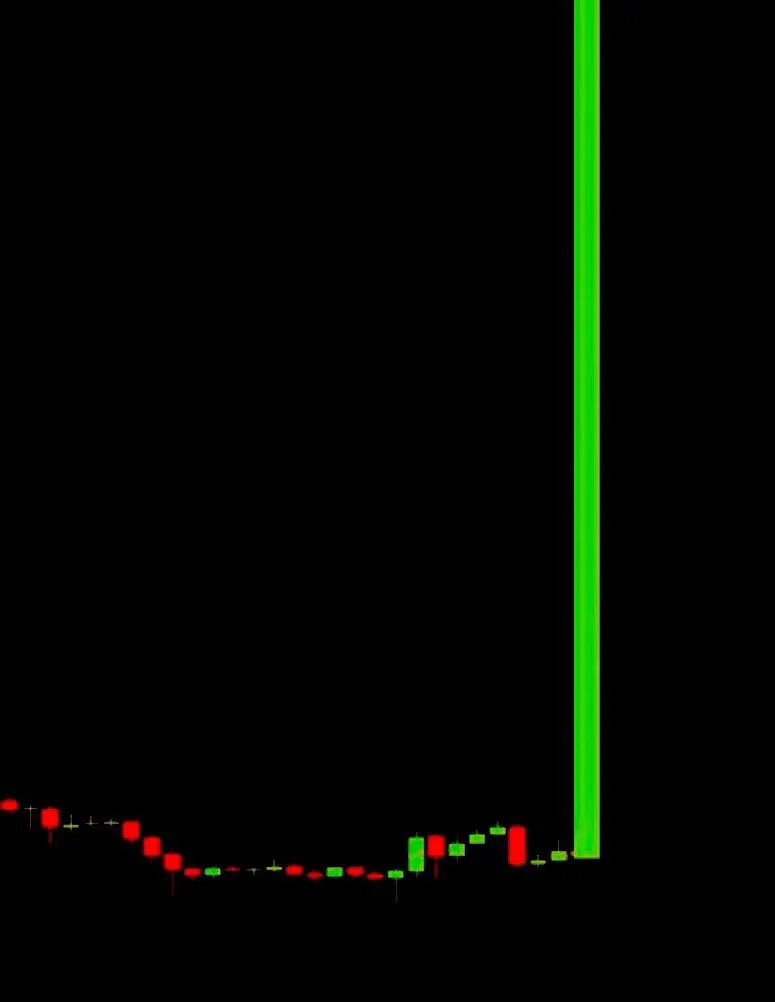
This development could be a "silent bull signal."
1. 📉 Regulatory pressure may decrease
If crypto remains outside this rule:
Broker-dealer liabilities will decrease
Pressure on OTC markets will ease
Liquidity may increase
2. 🏦 Institutional entry will become easier
What was the biggest fear of institutions?
👉 “What will the SEC say tomorrow?”
As this uncertainty decreases:
Banks
Brokerage firms
ETF-like products
can operate more freely.
3. ⚖️ The “Security or not?” debate is breaking down
This is the real turning point.
Until now, the market has been in this dilemma:
Security → SEC control → heavy regulation
Commodity → more flexible structure
This move by the SEC implies:
👉 Crypto = a third asset class
🧠 But beware: This is not a declaration of freedom
Don't misinterpret it.
The SEC is not saying:
“We are completely freeing up crypto”
On the contrary, it is saying:
“We will regulate it within a different framework”
In other words:
Regulation will end ❌
It will change shape ✅
🧩 Why is Hester Peirce's question critical?
Peirce has long been known as the "crypto mom." She's more innovation-oriented.
Her publicly posed question actually sparks this debate:
"Should we govern crypto with old financial laws, or should we write a new legal framework?"
This isn't just a technical comment;
👉 it's an ideological debate about the future of the financial system.
📊 What is the market pricing in?
The crypto market generally senses this beforehand:
Clarity = value
Uncertainty = risk
This move by the SEC:
✔ Reduces uncertainty
✔ Increases institutional appetite
✔ Softens the regulatory tone
But it also says:
👉 "The game isn't over, the rules are just being rewritten."
✍️ "The SEC may be giving up on suppressing crypto… but it's setting up a new table to include it in its own game."
If this process is managed correctly:
Crypto is no longer the “rebellious child”
It could become an official player in the financial system
But if managed incorrectly:
The new rules could be even harsher than the old repression
📌 So the equation for the investor is simple:
Is this the beginning of a relief rally, or the quiet prelude to a larger wave of regulation?
The answer will be given in the next few months.
#CryptoMarketBouncesBack #BitcoinBoomsAbove$75K